The Yellow-billed Lorikeet: A Vibrant Jewel of the Avian World
The natural world is replete with wonders, and among its many marvels are the brightly colored residents of the avian realm. One such standout is the Yellow-billed Lorikeet (Neopsittacus musschenbroekii), a captivating species that enchants birdwatchers and ornithologists alike with its vibrant plumage and lively behaviors. This article delves into the intricacies of the Yellow-billed Lorikeet, exploring its habitat, physical characteristics, behavior, and conservation status.
Habitat and Distribution
The Yellow-billed Lorikeet is predominantly found in the mountainous regions of New Guinea, particularly in the central and eastern highlands. This species flourishes in montane forests, thriving at elevations ranging from 1,200 to 2,800 meters above sea level. These forests, rich in biodiversity, offer a plethora of flowering plants that cater to the lorikeet’s specialized feeding habits. The dense canopy and abundant flora provide both sustenance and shelter, creating an ideal environment for these colorful birds.
New Guinea’s tropical climate further complements the lorikeet’s lifestyle, with ample rainfall and consistent temperatures fostering a stable ecosystem. The region’s isolation has allowed the Yellow-billed Lorikeet to evolve with minimal human interference, although this is gradually changing with increasing habitat encroachment.
Physical Characteristics
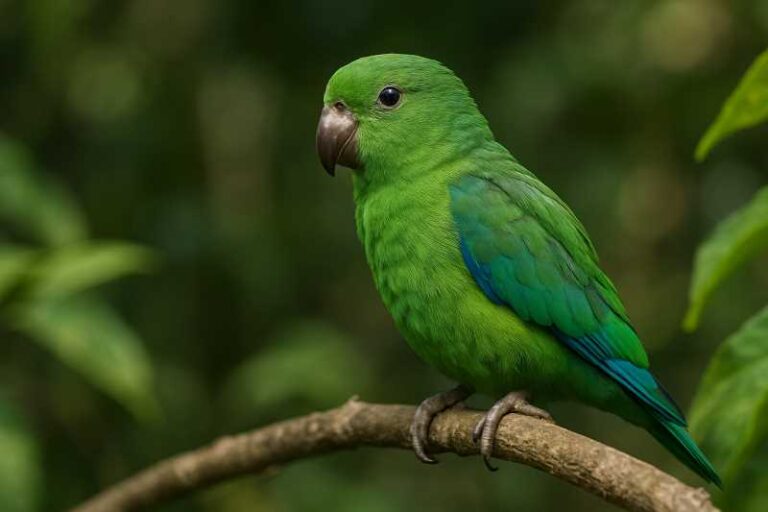
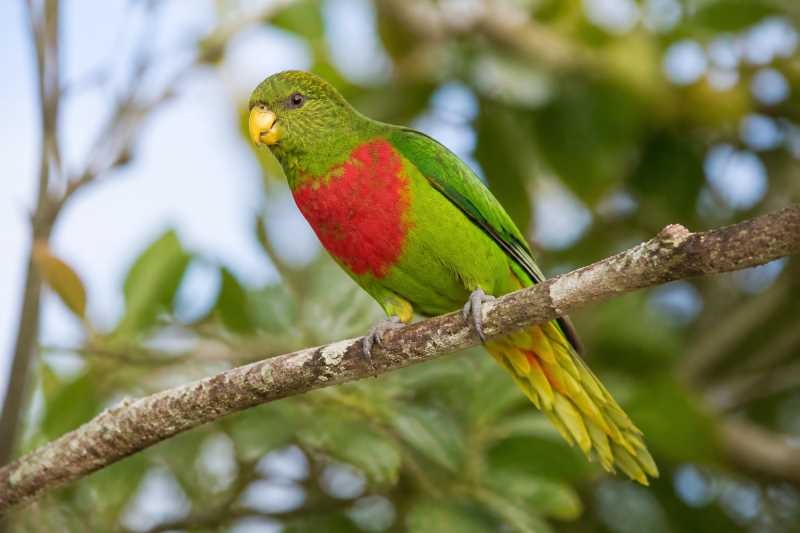
The Yellow-billed Lorikeet is a medium-sized parrot, averaging between 18 to 20 centimeters in length. Its most striking feature is its brilliant green plumage, offset by a vibrant yellow bill that gives the species its name. The bird’s wings and back are adorned with varying shades of green, while its underparts display a more subdued shade, often tinged with a hint of yellow or blue.
Juveniles are distinguishable from adults by their duller coloration and less pronounced bill coloration. The eyes of the Yellow-billed Lorikeet are a vivid red, a characteristic that adds to its overall allure. Males and females are similar in appearance, making it challenging to distinguish between the sexes without close observation.
Behavior and Diet
Yellow-billed Lorikeets are known for their energetic and playful nature. They are highly social birds, often seen in small flocks as they navigate through the forest canopy. Their acrobatic flight patterns and vocal communications are a testament to their adaptability and intelligence.
The diet of the Yellow-billed Lorikeet is primarily nectarivorous, with a preference for the nectar and pollen of flowering plants. Their specialized brush-tipped tongues are adept at extracting nectar from deep within flowers. In addition to nectar, they also consume fruits, seeds, and the occasional insect, which provide essential proteins and nutrients.
This dietary specialization makes the Yellow-billed Lorikeet a vital pollinator within its ecosystem. As they feed, they inadvertently transfer pollen from one flower to another, facilitating the reproductive processes of many plant species.
Breeding and Reproduction
The breeding season for Yellow-billed Lorikeets coincides with the flowering periods of their preferred plant species, ensuring ample food supply for the raising of their young. They typically nest in tree hollows, laying a clutch of two to three eggs. Both parents share the responsibilities of incubation and feeding, displaying a high degree of parental care.
The chicks fledge after approximately eight weeks, although they remain dependent on their parents for some time thereafter. This extended period of parental investment ensures that the young lorikeets develop the skills necessary to thrive in their arboreal environment.
Conservation Status and Threats
Currently, the Yellow-billed Lorikeet is classified as Least Concern by the International Union for Conservation of Nature (IUCN). However, this status belies the potential threats the species faces from habitat destruction and climate change. Deforestation for agriculture and logging poses a significant risk to their natural habitats, while climate change impacts the flowering patterns of the plants they rely on for food.
Conservation efforts are essential to ensure the long-term survival of the Yellow-billed Lorikeet. Protecting their habitat through sustainable forestry practices and conservation programs can help mitigate the adverse effects of human activity. Additionally, raising awareness about the ecological roles these birds play can bolster support for their preservation.
Conclusion
The Yellow-billed Lorikeet is a remarkable species that embodies the vibrancy and diversity of New Guinea’s montane forests. Its striking appearance, coupled with its ecological significance as a pollinator, highlights the intricate connections within its ecosystem. As stewards of the planet, it is our responsibility to protect and preserve such species, ensuring that future generations can continue to marvel at their beauty and ecological importance. Through concerted conservation efforts and sustainable practices, we can safeguard the future of the Yellow-billed Lorikeet and the myriad of life forms with which it shares its habitat.
Related posts