Nicholson’s Pipit: A Comprehensive Study of Anthus nicholsoni
The Nicholson’s Pipit (Anthus nicholsoni) is a small passerine bird that belongs to the family Motacillidae, which also includes wagtails and longclaws. This species is endemic to the southern parts of the African continent, where it thrives in open grassland habitats. Known for its subtle plumage and distinctive song, Nicholson’s Pipit is a fascinating subject for ornithologists and bird enthusiasts alike. This article delves into the various aspects of this remarkable bird, including its taxonomy, habitat, behavior, conservation status, and much more.
Taxonomy and Classification
Nicholson’s Pipit is part of the genus Anthus, which encompasses a variety of pipit species found across the globe. The species was first described by the British ornithologist Richard Bowdler Sharpe in 1895. The scientific name, Anthus nicholsoni, honors the British museum curator, Francis Nicholson, who made significant contributions to the study of African avifauna.
Pipits are generally characterized by their slender build, short tails, and long legs, which facilitate their ground-dwelling lifestyle. The Anthus genus is renowned for its cryptic coloration, which helps these birds blend seamlessly into their grassland environments.
Physical Description
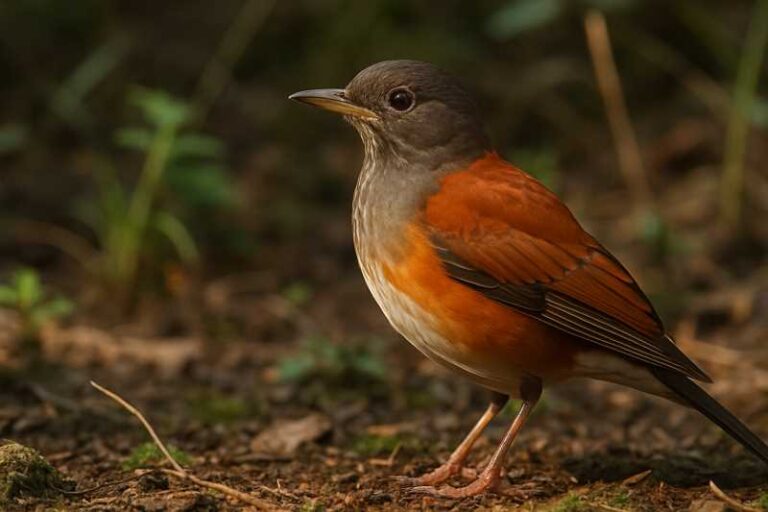
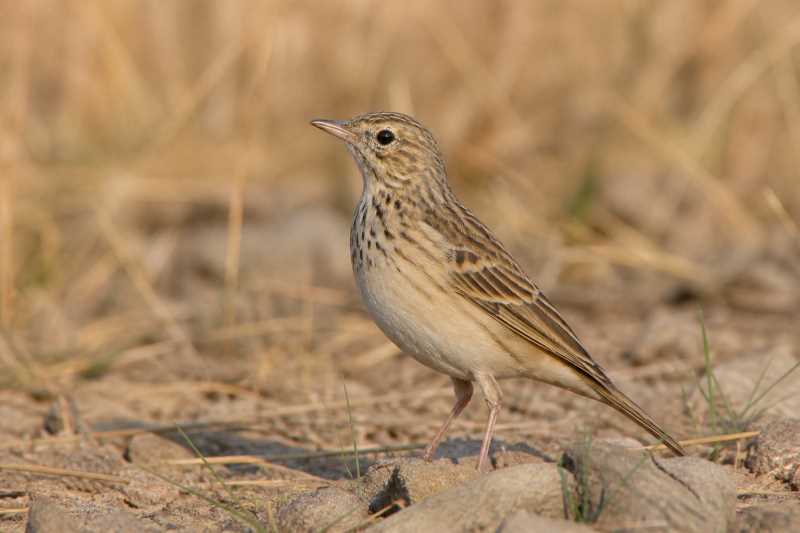
Nicholson’s Pipit is a small bird, measuring approximately 15 to 17 cm in length and weighing around 18 to 22 grams. It has a relatively drab plumage, which is typical of pipits, featuring a mix of browns and buffs with darker streaks on the upperparts. The underparts are generally pale, with faint streaking on the breast and flanks.
The bird’s bill is slim and pointed, adapted for its insectivorous diet. Its legs are long and slender, aiding in its characteristic walking and running behavior across open terrain. The tail is relatively short with white outer feathers that are often visible in flight.
Vocalizations
One of the most distinctive features of Nicholson’s Pipit is its song, which is a key element in its identification. The song is a melodious series of trills and whistles, often delivered from a high perch or during a display flight. These vocalizations are crucial for territory establishment and attracting mates during the breeding season.
Habitat and Distribution
Nicholson’s Pipit is predominantly found in the grasslands of southern Africa, with its range extending across parts of South Africa, Namibia, Botswana, and Zimbabwe. The species shows a preference for open, dry grasslands with sparse shrub cover, which provides both foraging opportunities and nesting sites.
The bird is adapted to a variety of grassland types, including montane grasslands, savannas, and semi-arid regions. It tends to avoid densely wooded areas or regions with excessive human disturbance.
Diet and Foraging Behavior
As an insectivorous bird, Nicholson’s Pipit primarily feeds on a variety of insects and other small invertebrates. Its diet includes beetles, grasshoppers, ants, and spiders, which it skillfully captures by walking or running along the ground.
The bird’s foraging strategy involves a combination of visual and tactile cues, as it uses its keen eyesight to detect prey items and its agile movements to capture them. During the non-breeding season, it may also consume seeds and other plant materials to supplement its diet.
Reproductive Behavior
Nicholson’s Pipit breeds during the austral spring and summer, with the peak breeding season occurring between September and February. The species is monogamous, with pairs forming strong bonds that often last for several breeding seasons.
Nesting occurs on the ground, typically in a shallow scrape lined with grass and other plant materials. The female lays a clutch of 2 to 4 eggs, which she incubates for about two weeks. Both parents are involved in feeding and caring for the chicks, which fledge approximately 14 days after hatching.
Conservation Status
Currently, Nicholson’s Pipit is classified as Least Concern by the International Union for Conservation of Nature (IUCN). While the species faces few immediate threats, its reliance on grassland habitats makes it vulnerable to habitat loss and degradation due to agricultural expansion, overgrazing, and urban development.
Conservation efforts aimed at preserving grassland ecosystems are crucial for ensuring the long-term survival of Nicholson’s Pipit. Protected areas and sustainable land management practices can help mitigate the impact of human activities on its habitat.
Conclusion
Nicholson’s Pipit is a remarkable example of avian adaptation to grassland environments. Its subtle plumage, melodic song, and ground-dwelling behavior make it a unique and important species within the ecosystems it inhabits. Understanding the biology and ecology of Anthus nicholsoni is essential for its conservation and for maintaining the health of the grassland habitats it calls home.
As we continue to study and appreciate Nicholson’s Pipit, it serves as a reminder of the intricate connections between species and their environments, highlighting the importance of preserving biodiversity in all its forms.
References
- BirdLife International. (2022). Species factsheet: Anthus nicholsoni. Retrieved from [BirdLife International Website]
- Sharpe, R. B. (1895). A Handbook to the Birds of the British Isles. London: Edward Lloyd.
- Sinclair, I., Hockey, P., & Tarboton, W. (2011). Sasol Birds of Southern Africa. Cape Town: Struik Nature.
Related posts