The New Zealand Grebe: A Jewel of Conservation Efforts
The New Zealand Grebe (Poliocephalus rufopectus), also known locally as the "dabchick," is a small, strikingly unique bird that calls the waters of New Zealand home. With its rich russet-colored breast and adept diving skills, the New Zealand Grebe is not only a captivating subject for birdwatchers but also a critical focus of conservation efforts. This article delves into the biology, habitat, and conservation status of this remarkable species.
Description and Behavior
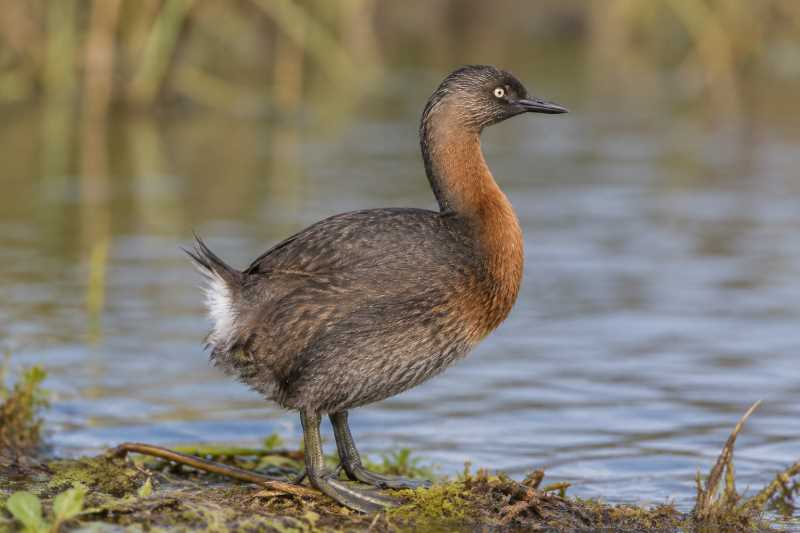
The New Zealand Grebe is a small waterbird characterized by its compact body, sharp bill, and striking plumage. Adult Grebes are about 28 cm long, with a wingspan reaching approximately 45 cm. Their plumage is predominantly dark on the upper parts with a glossy black head and contrastingly bright chestnut underparts during the breeding season. Outside of the breeding season, their plumage becomes more subdued, with a mix of grays and browns.
These birds are adept swimmers and divers, using their lobed toes to propel themselves through water as they hunt for aquatic invertebrates and small fish. Their legs are positioned towards the rear of their bodies, an adaptation that enhances their diving capabilities but makes them awkward on land. Grebes are known for their elaborate courtship displays, which include synchronized swimming and intricate calls.
Habitat and Distribution
The New Zealand Grebe primarily inhabits freshwater lakes, ponds, and slow-moving rivers throughout New Zealand’s North Island. They favor waters that are clear and well-vegetated, providing ample food supply and nesting sites. During the breeding season, they construct floating nests anchored to submerged vegetation or along sheltered lake edges.
Historically, the species was found throughout both the North and South Islands. However, their range has contracted significantly due to various environmental pressures, and they are now largely absent from the South Island, though there have been occasional sightings.
Conservation Status
The New Zealand Grebe is classified as "At Risk – Recovering" under New Zealand’s national threat classification system. This status indicates that, while the species has faced significant threats in the past, current conservation efforts are showing positive results in stabilizing and potentially increasing their population.
Key threats to the New Zealand Grebe include habitat destruction, water pollution, and the introduction of invasive species such as rats and stoats, which prey on eggs and young birds. Changes in water levels due to human activities also pose a threat, as they can destroy nests or reduce the availability of suitable habitat.
Conservation Efforts
Conservation initiatives have been crucial in supporting the recovery of the New Zealand Grebe. These efforts focus on habitat protection and restoration, controlling invasive species, and monitoring populations to track their recovery progress.
One of the successful strategies has been the establishment of predator control programs in areas where the Grebe breeds. By reducing the number of introduced predators, these programs have helped increase the survival rate of eggs and chicks. Additionally, the creation of artificial nesting platforms has provided secure nesting sites in areas where natural ones are scarce.
Public awareness campaigns have also played a role in the conservation of the New Zealand Grebe. By educating local communities about the importance of these birds and their habitats, conservationists have garnered support for habitat protection initiatives and encouraged responsible water use practices.
The Role of Citizen Science
Citizen science has become an invaluable tool in the conservation of the New Zealand Grebe. Birdwatchers and nature enthusiasts contribute to population monitoring by reporting sightings and participating in organized bird counts. These efforts provide researchers with vital data on population trends and distribution changes, informing conservation strategies and policy decisions.
The Future of the New Zealand Grebe
While the New Zealand Grebe still faces challenges, the combination of targeted conservation efforts and increased public awareness offers hope for the species’ continued recovery. Ongoing research and monitoring are crucial to adapting conservation strategies to changing environmental conditions and further securing the future of this iconic New Zealand bird.
As New Zealand continues to balance development with ecological preservation, the story of the New Zealand Grebe stands as a testament to the power of dedicated conservation efforts. By ensuring the survival of such unique species, New Zealand not only preserves its natural heritage but also contributes to global biodiversity.
In conclusion, the New Zealand Grebe is a symbol of resilience and hope. Its journey from near-extinction to recovery highlights the importance of conservation and the role humans play in protecting the delicate balance of ecosystems. Through continued effort and collaboration, the New Zealand Grebe will hopefully thrive for generations to come.
Related posts