Introduction
The Banggai Jungle Flycatcher (Cyornis pelingensis) is a remarkable avian species endemic to the Banggai Archipelago in Indonesia. This captivating bird is a member of the Muscicapidae family, known for its vibrant plumage and melodious song. Despite its beauty and ecological significance, the Banggai Jungle Flycatcher faces numerous threats, primarily due to habitat loss and fragmentation. This article delves into the biology, ecology, and conservation efforts surrounding this enigmatic species, highlighting the urgent need for protective measures.
Taxonomy and Evolution
The Banggai Jungle Flycatcher belongs to the genus Cyornis, which comprises a group of flycatchers commonly found in Southeast Asia. The species was first described in 1941 by the ornithologist Heinrich Stresemann. Morphological studies suggest that the Banggai Jungle Flycatcher evolved in isolation on the Banggai Islands, contributing to its unique characteristics and limited distribution. Genetic analyses have further confirmed its distinct lineage, separating it from other Cyornis species found in nearby regions.
Physical Description
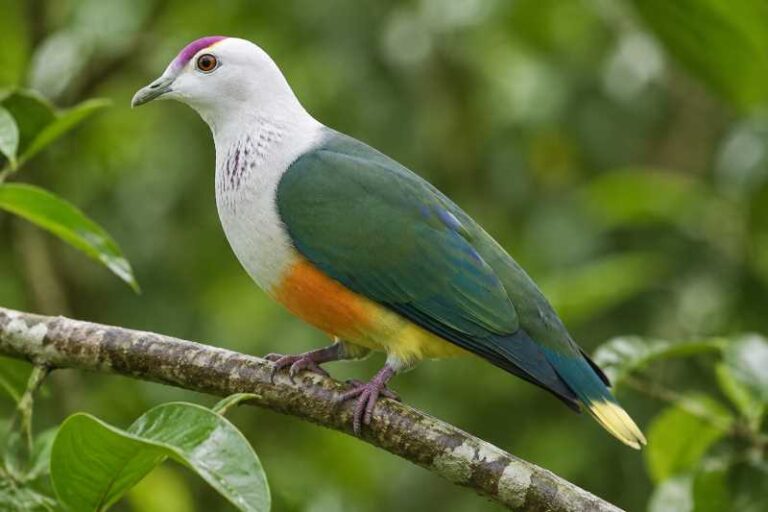
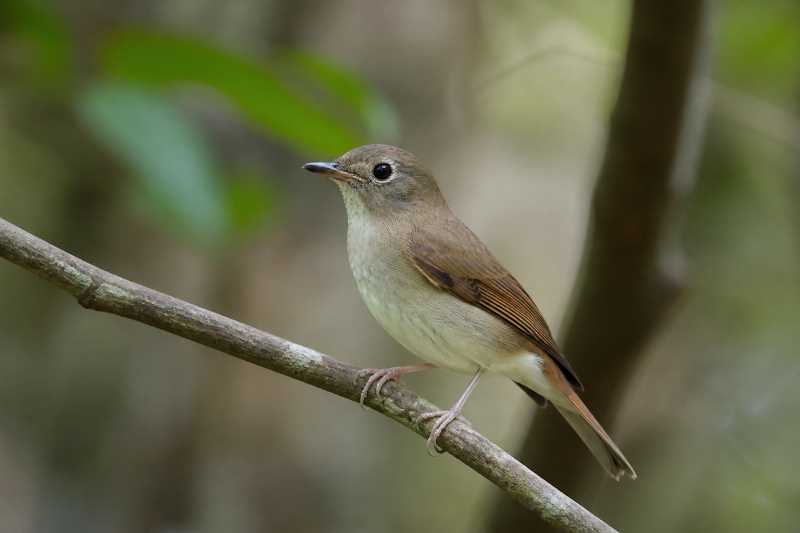
The Banggai Jungle Flycatcher is a small passerine bird, approximately 15 cm in length. It is characterized by its striking blue and orange plumage. The male exhibits a vibrant blue upper body and head, contrasted by a bright orange breast and belly. Females, on the other hand, display more subdued colors, with a duller blue and orange combination, aiding in camouflage during nesting. Both sexes possess a slender, pointed bill and agile wings, adaptations that facilitate their insectivorous diet.
Habitat and Distribution
This flycatcher is confined to the lowland and montane forests of the Banggai Archipelago, particularly on the islands of Peleng, Banggai, and Taliabu. These forests, with their dense canopy and rich biodiversity, provide an ideal habitat for the species. The Banggai Jungle Flycatcher prefers undisturbed areas with abundant undergrowth, where it can forage for insects and small invertebrates. However, its habitat is increasingly under threat due to logging, agricultural expansion, and infrastructure development.
Behavior and Ecology
The Banggai Jungle Flycatcher is a diurnal bird, most active during the early morning and late afternoon. It is known for its agile flight and adeptness at catching insects mid-air. The bird is primarily insectivorous, feeding on a diet that includes beetles, flies, and caterpillars. It often forages alone or in pairs, although it may join mixed-species flocks, particularly during the non-breeding season.
Breeding behavior remains relatively understudied, but it is believed that the species builds cup-shaped nests in tree branches or shrubs, utilizing materials like twigs, leaves, and moss. The female typically lays 2-4 eggs, which she incubates for about two weeks. Both parents participate in feeding the chicks until they fledge.
Conservation Status
The Banggai Jungle Flycatcher is classified as Near Threatened on the IUCN Red List, primarily due to its restricted range and the ongoing deforestation in its habitat. The Banggai Archipelago is experiencing significant environmental changes, with forests being cleared for palm oil plantations and other agricultural activities. Additionally, illegal logging and mining pose severe threats to the remaining forest areas, further exacerbating habitat loss.
Conservation Efforts
Conservation organizations and local communities are working collaboratively to protect the Banggai Jungle Flycatcher and its habitat. Initiatives include habitat restoration projects, the establishment of protected areas, and environmental education programs aimed at raising awareness about the species. Encouraging sustainable agricultural practices and enforcing stricter regulations on logging and land conversion are crucial steps in preserving the flycatcher’s habitat.
Conclusion
The Banggai Jungle Flycatcher is a symbol of the rich biodiversity found within the Banggai Archipelago. Its vibrant presence underscores the importance of conserving the unique ecosystems that harbor such endemic species. As threats to its habitat continue to mount, concerted conservation efforts are imperative to ensure the survival of this captivating bird. By fostering a deeper understanding and appreciation of the Banggai Jungle Flycatcher, we can inspire global action to protect not only this species but also the broader ecological tapestry to which it belongs.
References
- BirdLife International. (2023). Species factsheet: Cyornis pelingensis. Retrieved from [BirdLife International website]
- Stresemann, H. (1941). Description of Cyornis pelingensis. [Journal Name], [Volume(Issue)], [Pages].
- Conservation Status of the Banggai Archipelago. (2023). [Organization/Website].
Related posts