The Cinereous Conebill: A Comprehensive Overview
The Cinereous Conebill (Conirostrum cinereum) is a fascinating avian species endemic to South America. Known for its adaptability and unique physical characteristics, this bird inhabits a range of environments, showcasing its versatility and resilience. In this article, we will delve into the various aspects of the Cinereous Conebill, including its habitat, physical description, behavior, diet, and conservation status.
Habitat and Distribution
The Cinereous Conebill is predominantly found in the Andean regions, stretching from Colombia to northern Chile and Argentina. This bird thrives in high-altitude environments, ranging from 2,000 to 4,500 meters above sea level. It is often seen in open woodlands, shrublands, and areas with sparse vegetation, displaying a remarkable ability to adapt to different ecological niches. The species is particularly prevalent in the Polylepis forests, a unique ecosystem that supports a high diversity of birdlife.
Physical Description
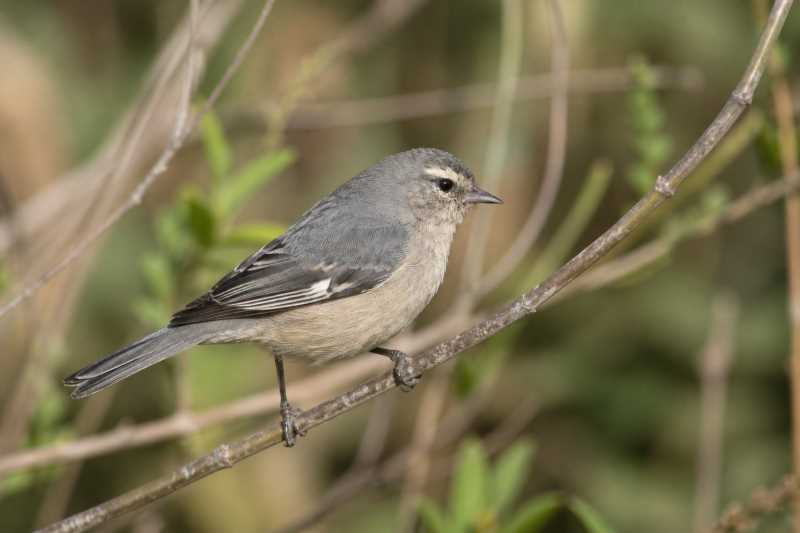
The Cinereous Conebill is a small passerine bird, measuring approximately 12 centimeters in length. It is characterized by its slender, conical bill, which is perfectly adapted for its feeding habits. The plumage of the Cinereous Conebill is predominantly gray, with subtle variations in tone across different subspecies. The underparts are lighter, often with a whitish hue, while the wings and tail exhibit darker shades. The bird’s eyes are strikingly black, providing a sharp contrast to its overall gray appearance.
Behavior and Social Structure
Cinereous Conebills are known for their active and social nature. They are often observed in small flocks, particularly outside the breeding season. These birds are highly vocal, communicating through a series of high-pitched calls and songs. Their vocalizations play a crucial role in maintaining group cohesion and territory defense.
During the breeding season, which typically occurs from September to February, Cinereous Conebills become more territorial. They engage in elaborate courtship displays, which include singing and aerial maneuvers. Nesting occurs in bushes or small trees, where the female constructs a cup-shaped nest using plant fibers, moss, and feathers. The female incubates the eggs, while the male provides food and protection.
Diet and Feeding Habits
The diet of the Cinereous Conebill primarily consists of insects and small arthropods. However, these birds are also known to consume nectar and small fruits, making them important pollinators and seed dispersers in their ecosystems. Their conical bills are well-suited for foraging, allowing them to efficiently extract food from flowers and foliage.
Cinereous Conebills exhibit flexible feeding strategies, adapting to the availability of food resources. During periods of scarcity, they may expand their diet to include a wider range of food items, demonstrating their adaptability and resilience.
Conservation Status and Threats
Currently, the Cinereous Conebill is classified as a species of Least Concern by the International Union for Conservation of Nature (IUCN). While this bird is not considered threatened, it faces several environmental challenges that could impact its populations in the future.
Habitat destruction, particularly the degradation of Polylepis forests, poses a significant threat to the Cinereous Conebill. These forests are often subjected to logging, agricultural expansion, and human settlement, leading to habitat fragmentation and loss. Conservation efforts are essential to preserve these unique ecosystems and ensure the continued survival of the Cinereous Conebill.
Conclusion
The Cinereous Conebill is a remarkable bird species that embodies the adaptability and resilience of avian life in the Andes. Its ability to thrive in diverse habitats and its role in pollination and seed dispersal highlight its ecological importance. Continued research and conservation efforts are crucial to safeguard the future of this species and the ecosystems it inhabits.
In summary, the Cinereous Conebill is not just an indicator of the health of high-altitude Andean ecosystems, but also a symbol of nature’s incredible ability to adapt and flourish in challenging environments. By understanding and protecting this species, we contribute to the broader conservation of biodiversity in the region.
Related posts