The Mindoro Cuckooshrike: An Endangered Jewel of Philippine Avifauna
The Mindoro Cuckooshrike (Coracina mindorensis) is a captivating and rare bird species endemic to the island of Mindoro in the Philippines. Known for its striking appearance and elusive nature, the Mindoro Cuckooshrike is a subject of great interest among ornithologists and conservationists. As a member of the Campephagidae family, this bird is a critical component of the Philippines’ unique biodiversity, yet it faces significant threats that have pushed it to the brink of extinction.
Physical Characteristics and Behavior
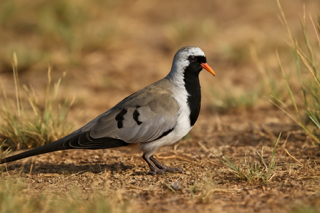
The Mindoro Cuckooshrike is a medium-sized bird, measuring approximately 25 to 28 centimeters in length. It exhibits a distinctive plumage with a predominantly grey body, contrasting with a lighter underbelly. One of its most striking features is the bird’s black mask, which extends from the beak across the eyes, lending it a mysterious and somewhat fierce appearance. The wings and tail are darker grey, providing a subtle yet elegant contrast.
This bird is typically found in lowland and montane forests, where it forages for insects and small fruits. Its diet mainly consists of caterpillars, beetles, and other arthropods, making it an essential predator within its ecosystem. The Mindoro Cuckooshrike is known for its agile flight and ability to move swiftly through the forest canopy in search of food. Despite its agility, it remains a rather inconspicuous bird, often blending seamlessly into its surroundings.
Habitat and Distribution
Endemic to the island of Mindoro, the Mindoro Cuckooshrike has a very limited range. It inhabits tropical moist lowland forests and, to a lesser extent, montane forests. These habitats provide the necessary resources for its survival, including food, nesting sites, and cover from predators.
The island of Mindoro is home to a diverse range of flora and fauna, many of which are not found anywhere else in the world. This biodiversity hotspot is under severe threat due to deforestation, agricultural expansion, and other anthropogenic pressures. The Mindoro Cuckooshrike’s habitat has been significantly reduced, and its population is believed to be declining as a result.
Conservation Status
The Mindoro Cuckooshrike is currently listed as “Endangered” on the International Union for Conservation of Nature (IUCN) Red List. This designation highlights the urgent need for conservation efforts to protect this species and its habitat. The primary threats to the Mindoro Cuckooshrike include habitat loss due to logging, agricultural encroachment, and infrastructure development.
Efforts to conserve the Mindoro Cuckooshrike and its habitat are crucial for the preservation of the island’s biodiversity. Local and international conservation organizations are working to raise awareness about the plight of this bird and to implement measures to protect its remaining habitat. Establishing protected areas and promoting sustainable land-use practices are essential steps in ensuring the survival of the Mindoro Cuckooshrike.
Importance of Conservation
The conservation of the Mindoro Cuckooshrike is not only important for the survival of the species itself but also for the ecological health of the Mindoro island ecosystem. As an insectivore, the bird plays a vital role in controlling insect populations, which can help maintain the balance of the forest ecosystem. Moreover, the Mindoro Cuckooshrike is an indicator species, meaning its presence and health reflect the overall condition of its environment.
Protecting this bird and its habitat can have far-reaching benefits, including the preservation of other endemic species and the ecosystem services they provide. The forests of Mindoro are home to numerous unique plants and animals, and efforts to conserve the Mindoro Cuckooshrike can contribute to the broader goal of safeguarding Mindoro’s natural heritage.
Conclusion
The Mindoro Cuckooshrike is a remarkable bird that embodies the rich biodiversity of the Philippines. Its endangered status serves as a stark reminder of the challenges facing many species in the region. By focusing conservation efforts on this bird and its habitat, we can help secure a future for Mindoro’s unique wildlife.
Conservationists, researchers, and local communities must work together to implement effective strategies that address the threats facing the Mindoro Cuckooshrike. Through collaborative efforts, it is possible to protect and preserve this extraordinary bird for future generations, ensuring that it continues to be a symbol of the natural beauty and ecological significance of Mindoro.
Related posts