Introduction
The Masked Finch (Poephila personata) is a captivating bird species that has intrigued ornithologists and birdwatching enthusiasts alike with its distinct features and behaviors. Native to northern Australia, this small finch is an integral part of the avifauna of the region. Despite its relatively small size, the Masked Finch plays a significant role in its ecosystem, serving as an important seed disperser and a prey species for various predators.
Taxonomy and Classification
The Masked Finch belongs to the family Estrildidae, which encompasses a diverse group of small passerine birds commonly referred to as estrildid finches. Within its genus, Poephila, the Masked Finch is closely related to the Long-tailed Finch (Poephila acuticauda) and the Black-throated Finch (Poephila cincta). The genus name Poephila is derived from Greek, meaning "grass-loving," which aptly describes the habitat preferences of these finches.
Physical Description
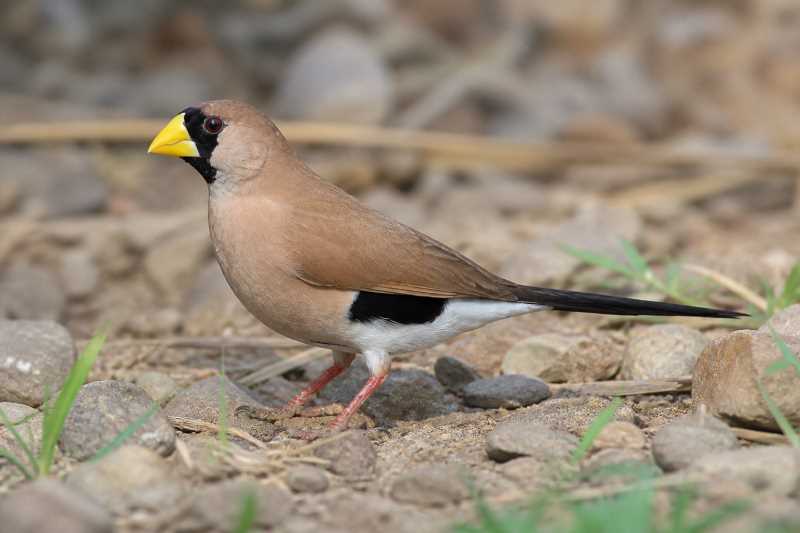
One of the most striking features of the Masked Finch is its distinctive facial pattern. As its name suggests, the bird sports a "mask"—a bold black facial marking that contrasts sharply with its otherwise pale plumage. The rest of the body is primarily a soft, sandy-brown color, providing effective camouflage against the dry, grassy environments it inhabits. The Masked Finch measures approximately 12 centimeters in length and weighs between 9 to 13 grams, making it a small but sturdy bird.
Habitat and Distribution
The Masked Finch is predominantly found in the tropical savannas of northern Australia, from the Kimberley region in Western Australia across to the Gulf of Carpentaria in Queensland. It favors grasslands, open woodlands, and areas near water sources, such as rivers and billabongs. The presence of tall grasses is crucial for nesting and feeding, as these finches primarily consume grass seeds.
Behavioral Ecology
Masked Finches are social birds, often seen in small flocks that can range from a few individuals to several dozen. They exhibit a range of social behaviors, including cooperative feeding and mutual preening. These birds are known for their vocalizations, which consist of a series of soft, melodious calls used to communicate with flock members and establish territory.
Diet and Feeding Habits
The diet of the Masked Finch is heavily reliant on seeds, particularly those of native grasses. They are opportunistic feeders, also consuming insects and other small invertebrates when available. Foraging primarily occurs on the ground, where they skillfully use their strong bills to extract seeds from tough seed heads. The availability of food resources can influence their movement patterns, leading to local migrations in search of abundant feeding grounds.
Reproduction and Lifespan
Breeding in Masked Finches is closely tied to the availability of water and food, primarily occurring during the wet season when these resources are abundant. The species is monogamous, with pairs often forming strong bonds that last for several breeding seasons. Nests are built in shrubs or low trees, constructed from grass stems and lined with softer materials. A typical clutch consists of 4 to 6 eggs, with both parents sharing incubation duties over approximately two weeks. Once hatched, the chicks are cared for by both parents until they fledge at around 21 days old.
Conservation Status
As of the most recent assessments, the Masked Finch is listed as a species of Least Concern by the International Union for Conservation of Nature (IUCN). This status reflects its wide distribution and stable population numbers. However, habitat destruction due to agricultural expansion and changes in fire regimes pose potential threats to their habitats. Conservation efforts focused on preserving grassland habitats and maintaining natural water sources are crucial for ensuring the long-term survival of this species.
Cultural Significance
In indigenous Australian cultures, the Masked Finch holds symbolic value and is often featured in stories and art. Its presence is seen as an indicator of environmental health, with its songs and behaviors enriching the cultural and natural landscapes of northern Australia.
Conclusion
The Masked Finch is a remarkable example of the diversity and adaptability of Australia’s birdlife. With its distinctive appearance and behaviors, it serves as a fascinating subject for both scientific study and birdwatching enthusiasts. Protecting its habitat and understanding its ecological role are essential steps in preserving this species for future generations.
Related posts