The Enigmatic White-bellied Fantail: A Comprehensive Overview
The White-bellied Fantail, scientifically known as Rhipidura euryura, is a captivating bird species that inhabits the lush forests of the Indian subcontinent and Southeast Asia. Known for its distinctive tail movements and vocal abilities, this avian wonder captivates birdwatchers and ornithologists alike. In this article, we delve into the various aspects of the White-bellied Fantail, exploring its habitat, behavior, and conservation status.
Habitat and Distribution
The White-bellied Fantail is predominantly found in the subtropical and tropical moist lowland and mountain forests. Its geographical range spans across countries such as India, Nepal, Bhutan, Bangladesh, Myanmar, Thailand, Laos, Vietnam, and southern China. These birds prefer dense undergrowth in forests, where they can easily forage and nest.
Their adaptability to various forest types, from evergreen to deciduous, makes them versatile inhabitants of different ecological zones. This adaptability also aids in their survival amidst changing environmental conditions, although habitat degradation remains a concern.
Physical Characteristics
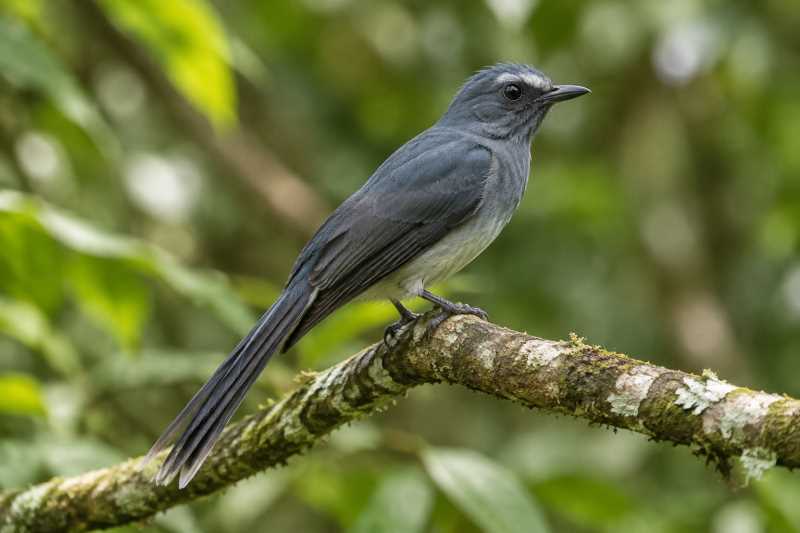
The White-bellied Fantail is a medium-sized bird, measuring approximately 15-18 centimeters in length. True to its name, it boasts a striking white belly that contrasts with its dark grey upper parts. The bird’s most distinguishing feature is its fanned tail, which it uses adeptly to maneuver during flight and for display purposes.
The fantail’s tail movement is not just for show; it plays a crucial role in its feeding strategy. By spreading and flicking its tail, the bird can flush out insects from foliage, making them easier to catch. This behavior is not only functional but also adds to the bird’s charismatic appeal.
Behavior and Diet
White-bellied Fantails are known for their active and agile nature. They are constantly on the move, flitting through the forest understory in search of food. Their diet primarily consists of insects such as beetles, flies, and caterpillars, which they skillfully catch mid-air or glean from leaves.
These birds are also noted for their vocal prowess. Males, in particular, are known to sing complex songs, especially during the breeding season. Their calls serve multiple purposes: attracting mates, defending territory, and communicating with other members of their species.
Reproduction and Lifespan
The breeding season of the White-bellied Fantail varies depending on its location but generally falls between March and July. During this period, males perform elaborate displays to attract females. Once a pair forms, they engage in cooperative nesting, with both parents involved in building the nest, incubating eggs, and feeding the young.
Nests are typically constructed close to the ground in shrubs and small trees. They are cup-shaped and made from twigs, moss, and fibers, providing a secure environment for the eggs and chicks. The typical clutch size ranges from two to four eggs, with an incubation period of around 14-16 days.
Conservation Status
The IUCN currently lists the White-bellied Fantail as a species of "Least Concern." Despite this seemingly secure status, the bird faces threats from habitat loss and fragmentation due to deforestation and land-use changes. Conservation efforts are essential to ensure that these habitats are preserved and that the species continues to thrive.
Local and international conservation organizations are working to protect forest areas and promote sustainable land management practices. Additionally, initiatives to raise awareness about the importance of these birds and their habitats play a crucial role in their long-term conservation.
Cultural Significance
In various cultures across its range, the White-bellied Fantail holds cultural significance, often symbolizing agility and cheerfulness due to its lively nature. In some folklore, it is believed to bring good luck or is seen as a messenger of the forest, reflecting its integral role in the ecosystem.
Conclusion
The White-bellied Fantail is an extraordinary bird that embodies the beauty and complexity of the natural world. Its unique behaviors, striking appearance, and adaptability make it a subject of intrigue and admiration. As we continue to strive for ecological balance, understanding and protecting species like the White-bellied Fantail becomes ever more crucial.
Conservation efforts, along with increased awareness and appreciation for these birds, can help ensure that future generations will be able to witness the enchanting display of the White-bellied Fantail in its natural habitat.
Related posts