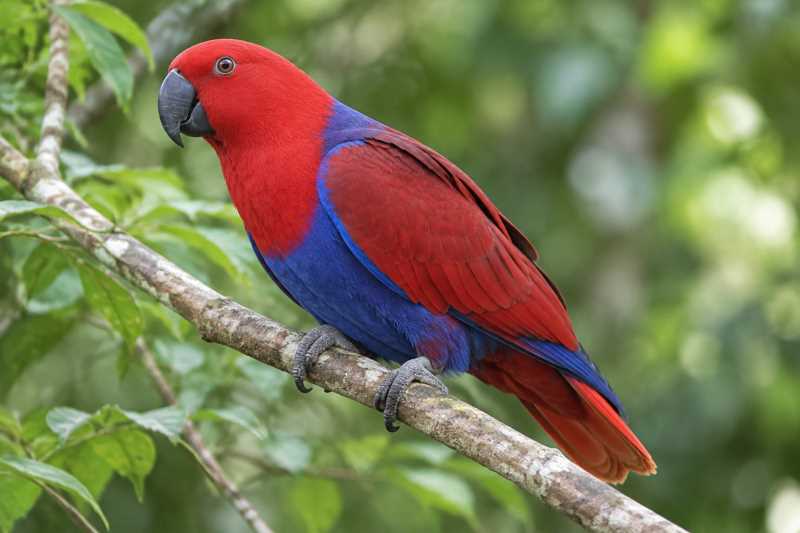
Introduction to the Tanimbar Eclectus
The Tanimbar Eclectus, scientifically known as Eclectus riedeli, is a captivating and vibrant parrot species native to the Tanimbar Islands in Indonesia. Renowned for its striking plumage and distinctive sexual dimorphism, the Tanimbar Eclectus is a subject of interest among ornithologists and avian enthusiasts alike. Despite its beauty and charm, this species faces various challenges in its natural habitat, making conservation efforts crucial for its survival.
Taxonomy and Physical Characteristics
Eclectus riedeli belongs to the family Psittaculidae and is one of the subspecies of the Eclectus parrot group. The most distinguishing feature of the Tanimbar Eclectus, like other Eclectus species, is the stark sexual dimorphism displayed in their plumage. The males exhibit vibrant emerald green feathers with a striking yellowish tinge on their heads, while the females are adorned with a brilliant red and purple-blue plumage. This dimorphism is not just a point of aesthetic interest but also plays a crucial role in their social and mating behaviors.
The average size of the Tanimbar Eclectus is about 37 cm in length, with a wingspan reaching up to 70 cm. They have a robust beak, characteristic of parrots, which is adapted to their frugivorous diet, and zygodactyl feet, which assist in climbing and handling food.
Habitat and Distribution
The Tanimbar Eclectus is endemic to the Tanimbar Islands, an archipelago located in the eastern part of Indonesia. These islands provide a unique ecosystem where the Tanimbar Eclectus thrives in lowland tropical forests and mangroves. They are also found in secondary forests and woodland areas, showcasing their adaptability to different forest types. However, their preference for primary forests makes them vulnerable to habitat destruction.
Behavior and Ecology
The Tanimbar Eclectus is known for its social and vocal nature. These birds often form pairs or small flocks, and their calls, which include a range of squawks and whistles, are essential for communication within the dense forest canopy. Their diet primarily consists of fruits, seeds, nuts, and berries, which they forage from the trees. This diet not only provides them with the necessary nutrients but also plays a role in seed dispersal, contributing to the ecological balance of their habitat.
Mating season for the Tanimbar Eclectus is typically during the wet season, when food is abundant. The nests are usually located in tree cavities, where the female lays a clutch of one to three eggs. Both parents participate in nurturing the young, showcasing a strong bond and cooperative breeding behavior.
Conservation Status and Threats
The Tanimbar Eclectus is currently listed as Near Threatened on the IUCN Red List. The primary threats to their survival include habitat loss due to logging and agricultural expansion. The illegal pet trade also poses a significant risk, as these birds are highly sought after for their striking appearance and engaging personalities.
Conservation efforts for the Tanimbar Eclectus involve habitat protection and restoration, as well as legal measures to curb the illegal trade. Organizations are working to establish protected areas within the Tanimbar Islands to ensure the preservation of their natural habitat. Educating local communities about the ecological importance of these parrots is also crucial for fostering coexistence and reducing human-wildlife conflict.
Conclusion
The Tanimbar Eclectus is a remarkable species that embodies the beauty and complexity of avian life. Its vibrant plumage and fascinating behaviors make it a unique subject of study and admiration. However, the challenges it faces in the wild call for urgent conservation action to secure its future. By protecting their habitat and regulating trade practices, we can ensure that the Tanimbar Eclectus continues to thrive in its natural environment, delighting generations to come with its colorful presence and ecological significance.
References
- BirdLife International. (2021). Eclectus riedeli assessment. IUCN Red List.
- Forshaw, J. (2006). Parrots of the World: An Identification Guide. Princeton University Press.
- Collar, N. J., & Marsden, S. (2014). The ecology and conservation of Asian parrots: insights from the threatened species. Forktail, 30.
Related posts