The Handsome Flycatcher: A Jewel of Andean Avifauna
The Handsome Flycatcher, scientifically known as Nephelomyias pulcher, is a captivating bird species that graces the montane forests of South America. Despite its somewhat modest name, this avian gem is a vibrant spectacle, boasting striking plumage and fascinating behaviors that intrigue ornithologists and bird watchers alike. Nestled primarily within the cloud forests of the Andes, the Handsome Flycatcher contributes significantly to the rich biodiversity of this region.
Taxonomy and Distribution
Belonging to the Tyrannidae family, the Handsome Flycatcher is classified under the genus Nephelomyias. This genus, though not extensive, encompasses a group of birds known for their distinct vocalizations and dynamic flight patterns. The Handsome Flycatcher is predominantly found in the Andean regions of Colombia, Ecuador, and Peru, thriving at elevations ranging from 1,800 to 3,000 meters. Its preferred habitats are humid montane forests, often enveloped in mist, providing a perfect backdrop for its vivid coloration.
Physical Characteristics
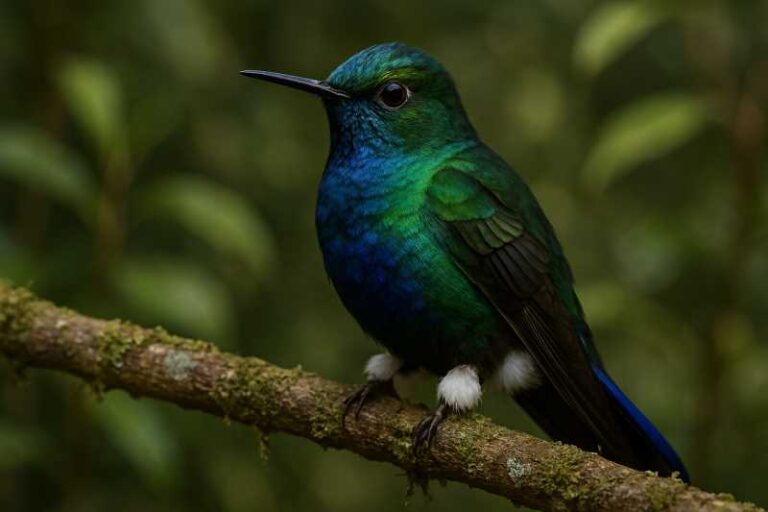
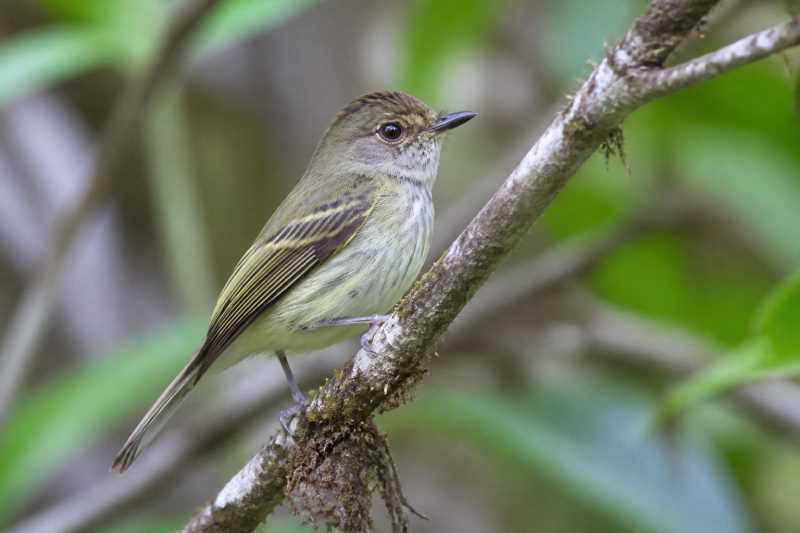
The Handsome Flycatcher lives up to its name with an array of striking physical features. Measuring approximately 12 to 14 centimeters in length, this bird is recognized for its bright yellow underparts contrasted by olive-green upperparts. Its head is adorned with a subtle grayish hue, while the wings exhibit a delicate blend of olive and yellow feathers. The bird’s bill is short and slightly hooked, adapted perfectly for its insectivorous diet.
One of the most captivating features of the Handsome Flycatcher is its expressive eyes, encircled by a thin ring of white that accentuates its alertness and watchful demeanor. These physical attributes not only serve aesthetic purposes but also play crucial roles in its survival, aiding in camouflage and efficient foraging.
Behavior and Diet
The Handsome Flycatcher is an active forager, often seen flitting through the forest canopy in pursuit of insects. Its diet primarily consists of various arthropods, including beetles, flies, and caterpillars. This bird employs a technique known as "sallying," where it darts from a perch to catch prey mid-air, showcasing remarkable agility and precision. Additionally, this flycatcher may occasionally consume fruits and berries, supplementing its insect-based diet.
Socially, the Handsome Flycatcher is known for its territorial nature, especially during the breeding season. Males often engage in vocal displays to assert dominance and secure mates, utilizing a series of melodious calls that resonate through the forest. Despite its assertive territorial behavior, the Handsome Flycatcher is also observed in mixed-species flocks, particularly outside the breeding season, indicating a level of social flexibility and adaptation.
Breeding and Nesting
The breeding season for the Handsome Flycatcher typically coincides with the rainy season, ensuring an abundance of food resources for the growing chicks. During this period, the male engages in elaborate courtship displays, showcasing its vibrant plumage and vocal prowess to attract a mate. Once paired, the female takes on the primary responsibility of nest construction and incubation.
Nests are usually crafted from fine plant fibers, moss, and lichen, strategically placed on tree branches to offer protection from predators. Clutch sizes are generally small, often comprising two to three eggs. The incubation period lasts about two weeks, followed by a fledging period where both parents actively participate in feeding and caring for the chicks until they are ready to venture out on their own.
Conservation Status and Threats
Despite its relatively stable population, the Handsome Flycatcher faces several threats that could impact its long-term survival. Habitat loss due to deforestation and agricultural expansion poses significant challenges, particularly as these activities encroach upon the bird’s natural montane forest habitats. Climate change also presents a looming threat, potentially altering the delicate ecosystems of the Andes and affecting the availability of food resources.
Conservation efforts are paramount to ensure the survival of the Handsome Flycatcher. Initiatives aimed at preserving montane forest habitats and promoting sustainable land-use practices are critical. Additionally, continued research and monitoring can provide valuable insights into the species’ ecology and inform conservation strategies.
Importance in Ecosystem and Cultural Significance
The Handsome Flycatcher plays an integral role in its ecosystem, acting as both predator and prey within the food web. Its insectivorous diet helps regulate insect populations, contributing to the ecological balance of its habitat. Furthermore, as a pollinator, it aids in the reproduction of certain plant species, highlighting its multifaceted ecological importance.
Culturally, the Handsome Flycatcher holds significance among indigenous communities and local people who share its habitat. Often regarded as a symbol of the vibrant biodiversity of the Andes, it inspires conservation awareness and appreciation for the natural world.
Conclusion
In summary, the Handsome Flycatcher is a remarkable species that embodies the beauty and complexity of the Andean cloud forests. Its striking appearance, coupled with its ecological and cultural significance, underscores the importance of conserving this avian jewel and its habitat. As we continue to study and admire the Handsome Flycatcher, it serves as a reminder of the rich biodiversity that exists within our planet, urging us to preserve it for future generations.
Related posts