Exploring the Enigmatic Palawan Blue Flycatcher
The Palawan Blue Flycatcher (Cyornis lemprieri) is a captivating avian species endemic to the lush landscapes of the Palawan Islands in the Philippines. Known for its striking appearance and melodious song, this bird has become a subject of interest among ornithologists and birdwatchers alike. In this article, we delve into the features, behaviors, and conservation efforts surrounding the Palawan Blue Flycatcher, highlighting its significance in the rich biodiversity of the region.
A Portrait of Beauty: Physical Characteristics
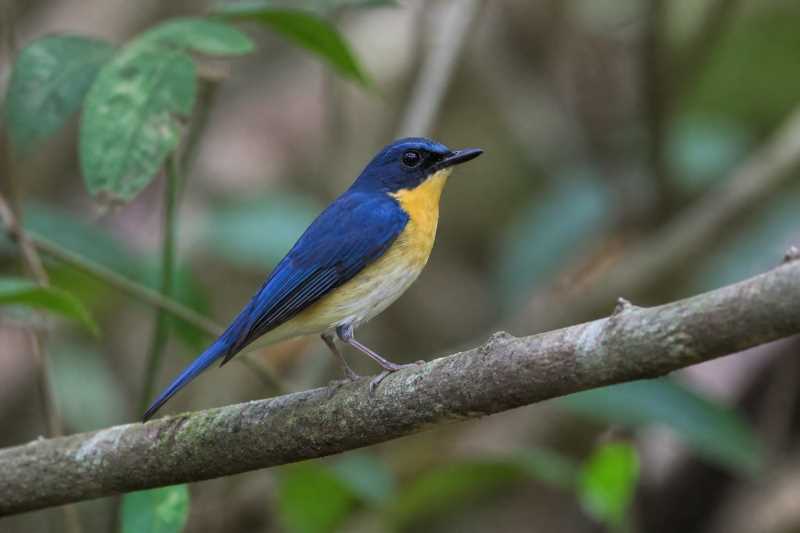
The Palawan Blue Flycatcher is a small passerine bird that stands out with its vibrant plumage. Adult males typically exhibit a brilliant blue coloration on their upper parts, including the head, back, and wings, which contrasts beautifully with their white underparts. The face is marked with a distinctive eye ring, and the slender, slightly curved bill is adapted for their insectivorous diet. Females, on the other hand, display a more subdued color palette, with olive-brown upper parts and a paler underbelly, making them less conspicuous in the dense undergrowth of their habitat.
Habitat and Distribution
This species is confined to the islands of Palawan, thriving in the lowland forests and occasionally in mangrove areas. The Palawan Islands offer a unique ecosystem, where these birds find abundant food sources and adequate nesting sites. They favor primary and secondary forests, where the dense foliage not only provides shelter but also a plethora of insects – their primary food source. However, with increasing deforestation and habitat degradation, the availability of suitable habitats is an ongoing concern for this species.
Behavioral Insights
The Palawan Blue Flycatcher is known for its territorial behavior, often seen flitting through the lower canopy in search of insects. They employ a ‘sit-and-wait’ hunting strategy, perching quietly before making quick, agile flights to capture prey mid-air or picking them off leaves. Their diet mainly consists of various insects and occasionally small invertebrates, which they adeptly catch using their keen eyesight and swift movements.
During the breeding season, which typically spans from March to June, males can be observed performing elaborate displays to attract females. These displays include singing complex songs, fluffing their feathers, and showcasing their vibrant plumage to potential mates. Nesting occurs in well-concealed areas within dense vegetation, where both parents partake in feeding and caring for the chicks.
Conservation Status and Challenges
The Palawan Blue Flycatcher is currently listed as Near Threatened on the IUCN Red List. The primary threat to their survival is habitat destruction due to logging, agricultural expansion, and urban development. As their natural habitat diminishes, these birds face increased competition for resources and a reduced breeding success rate.
Conservation efforts are ongoing to protect the remaining forest areas in Palawan. Initiatives include establishing protected areas, promoting sustainable land-use practices, and increasing awareness among local communities about the importance of preserving biodiversity. Environmental organizations are working closely with the Philippine government to implement strategies that balance ecological preservation with economic development.
The Importance of Conservation
Preserving the Palawan Blue Flycatcher and its habitat is crucial not only for maintaining the ecological balance of the region but also for the cultural and economic benefits it provides. Birdwatching, for instance, attracts nature enthusiasts from around the world, contributing to local economies through ecotourism. Moreover, the presence of such species is an indicator of a healthy ecosystem, underscoring the importance of conserving biodiversity.
Conclusion
The Palawan Blue Flycatcher stands as a symbol of the unique and fragile beauty found in the Philippines’ archipelago. Protecting this species and its habitat requires concerted efforts from conservationists, local communities, and governments. By fostering an appreciation and understanding of this remarkable bird, we pave the way for a more sustainable and harmonious coexistence with nature.
In conclusion, the Palawan Blue Flycatcher not only enriches the biodiversity of the Palawan Islands but also serves as a reminder of the delicate balance between development and conservation. Through informed actions and a commitment to preserving our natural world, we can ensure that future generations continue to witness the vibrant beauty of this enchanting bird.
Related posts