Introduction
The Guadalupe Junco (Junco insularis) is a remarkable bird species endemic to Guadalupe Island, located off the western coast of Mexico’s Baja California Peninsula. With its unique evolutionary background and distinct ecological niche, the Guadalupe Junco is a classic example of island endemism, where isolation leads to the development of unique species. This article delves into the fascinating world of the Guadalupe Junco, exploring its characteristics, habitat, behavior, conservation status, and the challenges it faces in an ever-changing environment.
Characteristics and Identification
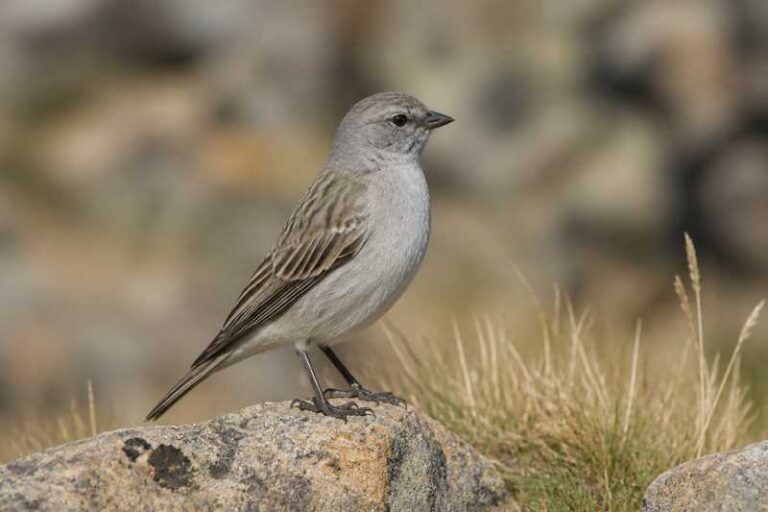
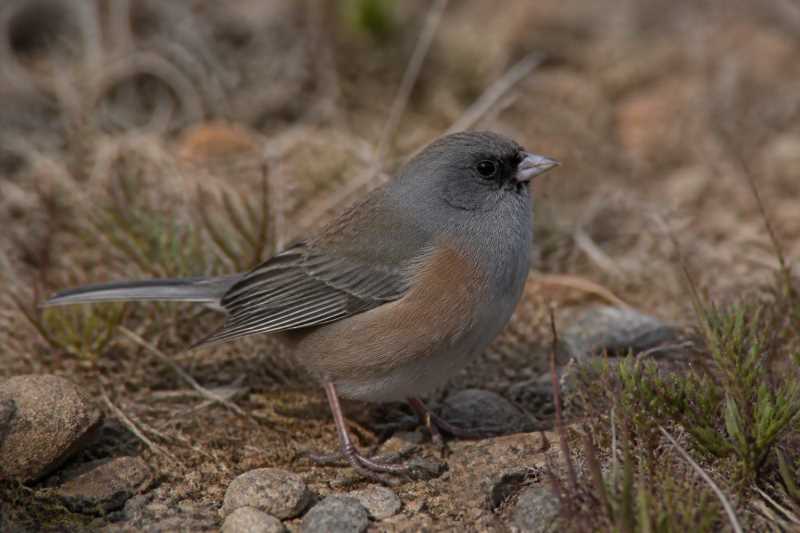
The Guadalupe Junco is a small, sparrow-like bird belonging to the family Passerellidae. It is often recognized by its distinct plumage, which consists of a mix of gray and brown tones. The bird exhibits a dark gray head and upperparts, contrasting with a lighter gray throat and underparts. Its wings and tail are tinged with brown, and it possesses a characteristic pinkish-brown bill. Adult Guadalupe Juncos typically measure about 14-16 centimeters in length and weigh between 18 to 22 grams.
Sexual dimorphism in the Guadalupe Junco is subtle, with males and females appearing similar, though males may have slightly brighter plumage. Juveniles resemble adults but often exhibit more muted colors. Their vocalizations are a series of soft, musical trills and whistles that are less complex than those of mainland junco species.
Habitat and Distribution
Guadalupe Island, the sole habitat of the Guadalupe Junco, is a volcanic island characterized by rugged terrain and a variety of ecosystems, including coastal cliffs, shrubland, and pine-oak forests. The island’s unique position and isolation have allowed the Guadalupe Junco to evolve separately from its mainland counterparts.
The bird primarily inhabits the island’s higher elevations, where it can be found in the dense understory of pine-oak forests. These forests provide essential resources such as food, nesting sites, and protection from predators. The Guadalupe Junco’s reliance on specific habitats underscores the importance of preserving these environments to ensure the species’ survival.
Behavior and Diet
The Guadalupe Junco exhibits behaviors typical of the Junco genus, such as ground foraging and a preference for seeds and insects. Its diet mainly consists of seeds from native plants, supplemented by insects and other small invertebrates, particularly during the breeding season when protein-rich food is crucial for chick development.
These birds are diurnal and spend much of their day foraging on the ground, using their bills to sift through leaf litter and soil. They are also known for their social behavior, often forming small flocks outside the breeding season. During this time, they engage in communal roosting, which provides warmth and protection.
Breeding and Reproduction
The breeding season for the Guadalupe Junco typically coincides with the spring and early summer months when food resources are abundant. They are monogamous, forming long-term pair bonds. The courtship process involves a series of displays and vocalizations by the male to attract a mate.
Nesting sites are usually located on the ground, well-hidden among rocks or dense vegetation. The female constructs the nest using grasses, leaves, and other plant material. Clutch size generally ranges from two to four eggs, which are incubated for about 12 to 14 days. Both parents participate in feeding the chicks until they fledge, which occurs approximately two weeks after hatching.
Conservation Status and Threats
The Guadalupe Junco is classified as Vulnerable on the IUCN Red List, primarily due to its restricted range and the ongoing threats to its habitat. Historically, the introduction of non-native species to Guadalupe Island, such as goats, cats, and rats, has had devastating effects on the island’s ecosystem. Goats, in particular, contributed to severe habitat degradation through overgrazing, which in turn reduced the availability of suitable nesting sites and food resources for the junco.
Conservation efforts have been implemented to mitigate these threats, including the successful eradication of goats from the island and ongoing efforts to control feral cat populations. Habitat restoration projects are also underway, focusing on reforesting areas with native plant species to restore the ecological balance.
Importance of Conservation
Preserving the Guadalupe Junco is not only crucial for maintaining biodiversity on Guadalupe Island but also serves as a broader symbol of conservation efforts for island ecosystems worldwide. The junco’s plight highlights the fragility of island habitats and the rapid impacts that human activities can have on isolated ecosystems.
Conservationists emphasize the need for continued monitoring and research to better understand the ecological requirements of the Guadalupe Junco and to develop effective management strategies. Public awareness and education are also vital components of conservation efforts, encouraging support for policies and initiatives that protect the island’s unique biodiversity.
Conclusion
The Guadalupe Junco is a testament to the wonders of evolutionary processes and the delicate balance of island ecosystems. As a species teetering on the brink of endangerment, it serves as a reminder of the importance of conservation and the role humans play in preserving the natural world. Through continued efforts and collaboration, there is hope for the long-term survival of the Guadalupe Junco and the rich biodiversity of Guadalupe Island.
References
- Howell, S. N. G., & Webb, S. (1995). A Guide to the Birds of Mexico and Northern Central America. Oxford University Press.
- Jehl, J. R., & Everett, W. T. (1985). History and Status of the Avifauna of Isla Guadalupe, Mexico. Transactions of the San Diego Society of Natural History.
- BirdLife International. (2020). Junco insularis. The IUCN Red List of Threatened Species 2020.
- CEC. (n.d.). Guadalupe Island Restoration Project. Commission for Environmental Cooperation.
Related posts