Forest Scrub Robin (Tychaedon leucosticta): A Detailed Exploration
Introduction
The Forest Scrub Robin, scientifically known as Tychaedon leucosticta, is a remarkable bird species that captivates ornithologists and bird watchers alike. Known for its elusive nature and unique habitat preferences, this bird is a fascinating subject of study in avian biodiversity. This article delves into the various aspects of the Forest Scrub Robin, including its habitat, behavior, conservation status, and the challenges it faces.
Taxonomy and Description
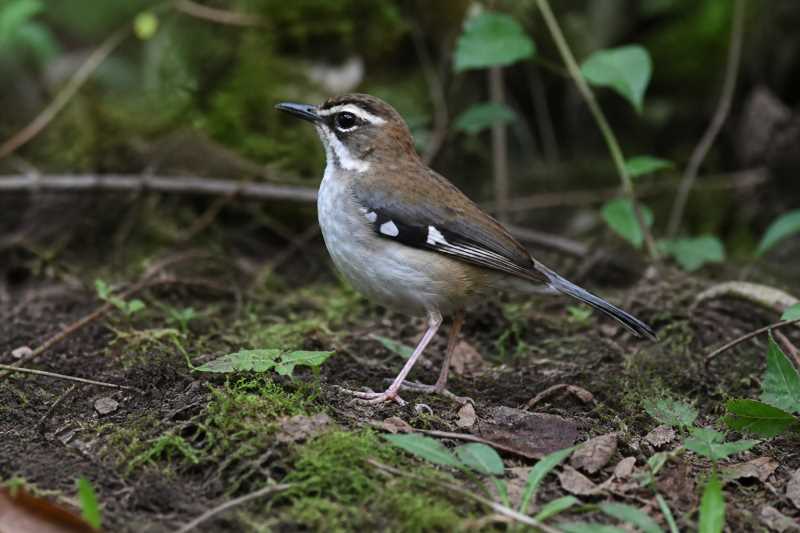
The Forest Scrub Robin belongs to the family Muscicapidae, a diverse group of small passerine birds. The genus Tychaedon is relatively lesser-known, which adds an element of mystery around this species. The bird is medium-sized with a length ranging from 13 to 15 centimeters. It is characterized by its distinct plumage, which is predominantly olive-brown with white spotting. The underparts are lighter, providing a striking contrast to its darker upper body.
The robin’s beak is slender and slightly curved, adapted for its insectivorous diet. Its legs are long and sturdy, allowing it to navigate the underbrush of its forest habitat with ease. The eyes are large, an adaptation that aids in foraging under low light conditions typical of dense forests.
Habitat and Distribution
The Forest Scrub Robin is primarily found in the lowland tropical forests of Sub-Saharan Africa. Its range extends from western parts of Africa, like Liberia and Ghana, to the eastern regions including Uganda and Kenya. The bird favors dense, moist forests, often residing in the understory layers where it can remain concealed from predators and human interference.
These robins are particularly adapted to scrubby forest environments, hence their name. They thrive in areas with thick undergrowth and abundant leaf litter, which provide both food sources and nesting material. Such habitats are increasingly under threat due to deforestation and land-use changes, which pose significant challenges to the species’ survival.
Behavior and Diet
The Forest Scrub Robin is a ground-dwelling bird, spending much of its time foraging among the leaf litter for insects and other small invertebrates. Its diet primarily consists of beetles, ants, and spiders, which it captures using its agile movements and sharp eyesight.
These birds are known for their secretive behavior, often remaining still at the slightest sign of disturbance. They communicate through a series of melodious whistles and trills, which vary between populations and regions. The song plays a crucial role in territory establishment and mate attraction.
Breeding occurs during the wetter months, when food is abundant. The robins build their nests close to the ground, using twigs and leaves to create a well-camouflaged structure. Typically, 2 to 3 eggs are laid, and both parents partake in incubating and feeding the chicks.
Conservation Status
The International Union for Conservation of Nature (IUCN) currently lists the Forest Scrub Robin as a species of Least Concern. However, this status may not accurately reflect the regional threats it faces. Habitat destruction due to logging, agriculture, and urban expansion is a significant concern, leading to fragmented populations and reduced genetic diversity.
Conservation efforts are crucial in ensuring the survival of the Forest Scrub Robin. Protecting their natural habitats through the establishment of reserves and sustainable land management practices can help mitigate some of the threats. Additionally, community engagement and education about the importance of biodiversity can foster local support for conservation initiatives.
Conclusion
The Forest Scrub Robin is an emblematic species of the forest ecosystems it inhabits. Its presence is an indicator of healthy, functioning environments. While currently not at immediate risk of extinction, proactive measures are essential to safeguard its future. Continued research and conservation efforts will ensure that this enigmatic bird continues to thrive in its natural habitat, contributing to the rich tapestry of life within Sub-Saharan Africa’s forests.
By understanding and appreciating the ecological role and challenges of the Forest Scrub Robin, we can better appreciate the intricate balance of our natural world and the importance of preserving it for generations to come.
Related posts