A Closer Look at the Gorgeted Sunangel: Nature’s Jewel of the Andes
The Gorgeted Sunangel (Heliangelus strophianus) is an exquisite hummingbird species that stands as a testament to the diversity and splendor of avian wildlife inhabiting the Andean regions of South America. Known for its dazzling plumage and energetic flight, this bird has become a symbol of the vibrant ecosystems it calls home. This article delves into the biology, habitat, and conservation status of the Gorgeted Sunangel, offering insights into its unique role in the environment.
Physical Characteristics
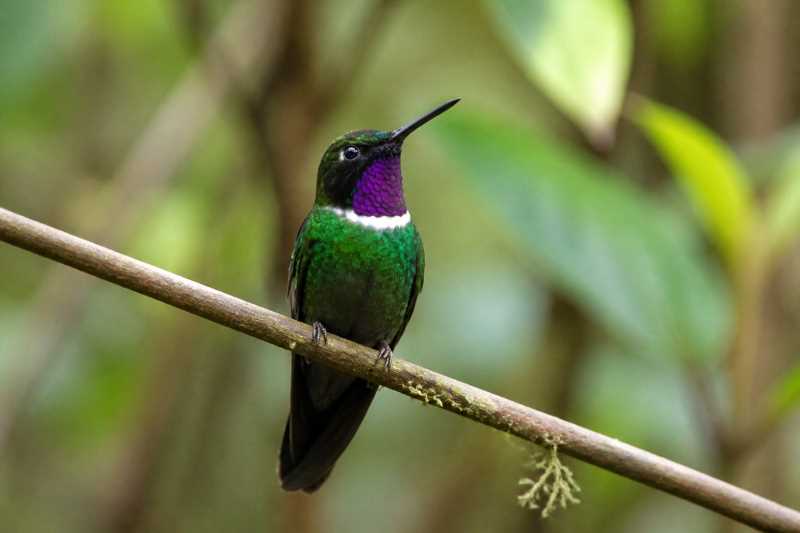
The Gorgeted Sunangel is a small bird, measuring about 10 to 11 centimeters in length. Despite its diminutive size, it boasts a striking appearance that captivates birdwatchers and ornithologists alike. The male of the species is particularly noted for its iridescent plumage. A radiant green body is complemented by a stunning purple-blue gorget, or throat patch, which can appear to change color when viewed from different angles or under varying light conditions. This iridescence is a result of microscopic platelets in the feathers that reflect and refract light, creating a mesmerizing visual effect.
Females, while less flamboyant, are equally fascinating. Their plumage is generally more subdued, with a mix of green and white, but they retain a distinctive charm with their elegant form and agile flight.
Habitat and Distribution
The Gorgeted Sunangel is primarily found in the montane forests and subtropical or tropical moist montane regions of Colombia and Ecuador. These birds thrive at elevations between 1,500 to 3,500 meters, where the cool, humid climate supports a rich biodiversity of flora and fauna.
These hummingbirds are highly adapted to their environments, favoring areas with abundant flowering plants that offer the nectar they feed on. Their long, specialized bills and extendable tongues make them efficient pollinators, playing a crucial role in the reproductive cycles of many plant species. In addition to nectar, Gorgeted Sunangels also consume small insects and spiders, which provide essential proteins and nutrients.
Behavior and Ecology
Gorgeted Sunangels are solitary creatures, coming together only for mating. Their flight is characterized by rapid, darting movements, allowing them to navigate the dense foliage of their habitats with precision. These birds are also highly territorial, often engaging in aerial displays to ward off intruders and defend their feeding grounds.
The breeding season for the Gorgeted Sunangel typically coincides with the peak flowering periods of their habitat, ensuring a plentiful food supply. Nests are constructed with great care, often perched on branches or vines, and are composed of plant fibers, moss, and spider silk. Females usually lay two eggs, which are incubated for about two weeks before hatching.
Conservation Status
Currently, the Gorgeted Sunangel is listed as Least Concern by the International Union for Conservation of Nature (IUCN). However, like many species in the Andes, it faces threats from habitat loss and degradation. Deforestation for agriculture and urbanization has reduced the available natural habitats, posing a risk to its population.
Conservation efforts are essential to preserve the delicate ecosystems of the Andes, which support not only the Gorgeted Sunangel but countless other species. Protected areas and national parks have been established in some regions, providing sanctuary for these birds and promoting sustainable land-use practices.
The Role of Citizen Science
Birdwatchers and amateur ornithologists play a vital role in the conservation of the Gorgeted Sunangel. Citizen science initiatives, such as eBird and other bird monitoring programs, allow enthusiasts to contribute valuable data on bird sightings, distribution, and behavior. This information is crucial for researchers and conservationists working to understand and protect this species.
In conclusion, the Gorgeted Sunangel is a vibrant emblem of the Andean mountains’ ecological richness. Its presence highlights the importance of preserving these habitats for future generations. By supporting conservation efforts and participating in citizen science, we can ensure that this dazzling jewel of nature continues to thrive amid the cloud forests of South America.
References
- BirdLife International (2021). "Heliangelus strophianus." The IUCN Red List of Threatened Species 2021.
- Schulenberg, T. S., & Kirwan, G. M. (2021). "Gorgeted Sunangel (Heliangelus strophianus)," in Neotropical Birds Online.
- Ridgely, R. S., & Greenfield, P. J. (2001). "The Birds of Ecuador: Field Guide."
Author Bio
Jane Doe is a freelance writer and wildlife enthusiast with a passion for ornithology and conservation. She has contributed to numerous publications focusing on bird species and their natural habitats.
Related posts