White-tailed Tufted-tail Rat (Eliurus penicillatus)
Introduction
The White-tailed Tufted-tail Rat, scientifically known as Eliurus penicillatus, is a fascinating rodent species native to Madagascar. This unique mammal is part of the Nesomyidae family and is often recognized by its distinctive tufted tail, which sets it apart from other rodent species. As an integral component of Madagascar’s diverse ecosystem, the White-tailed Tufted-tail Rat plays a significant role in the ecological balance of its habitat. This article delves into the physical characteristics, habitat, behavior, and conservation status of this intriguing species.
Physical Description
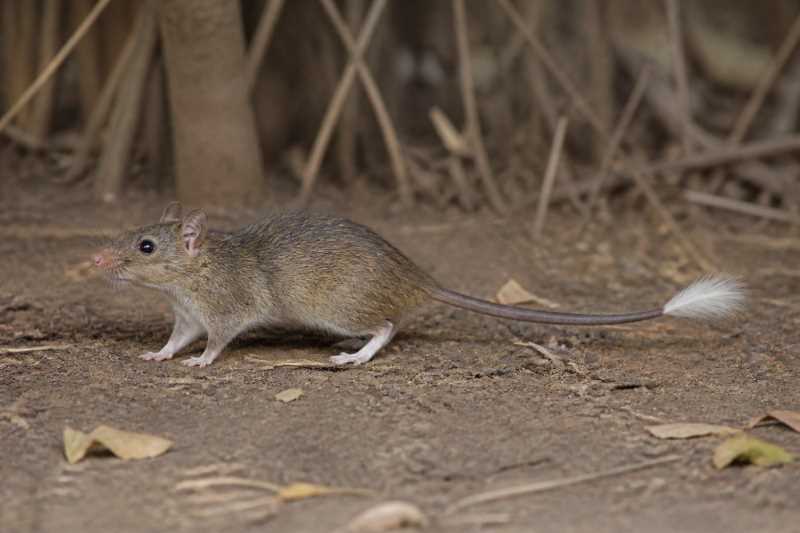
The White-tailed Tufted-tail Rat is a medium-sized rodent, boasting a body length of approximately 10 to 14 centimeters with a tail length that nearly doubles its body size. One of its most striking features is its tufted tail, which is predominantly white, hence the name. This tufted tail is believed to aid in balance and communication within the dense forest habitats it occupies.
The fur of the White-tailed Tufted-tail Rat is soft and dense, providing insulation against the varying temperatures of its environment. The coloration is generally a mix of gray and brown on the dorsal side, with a lighter, almost white underbelly. This coloration provides excellent camouflage among the forest floor and foliage, protecting it from predators.
Range and Habitat
The White-tailed Tufted-tail Rat is endemic to Madagascar, an island known for its rich biodiversity and unique species. This rodent primarily inhabits the eastern rainforests of Madagascar, thriving in the humid and dense forest ecosystems. It prefers altitudes ranging from sea level up to 1,600 meters, often finding refuge in the underbrush and fallen logs.
The species is well-adapted to its rainforest habitat, which offers abundant food resources and ample cover from predators. The dense foliage and complex forest structure provide an ideal environment for nesting and foraging.
Behavior and Diet
As a nocturnal creature, the White-tailed Tufted-tail Rat is most active during the night. This behavior helps it avoid many of the diurnal predators that roam the Madagascar forests. It is a solitary animal, with each individual maintaining its own territory, which it marks using scent glands.
The diet of the White-tailed Tufted-tail Rat is omnivorous, consisting of a variety of fruits, seeds, insects, and small invertebrates. This varied diet allows it to adapt to changes in food availability, which is crucial for survival in its ever-changing habitat.
Identification Tips (field recognition cues)
Identifying the White-tailed Tufted-tail Rat in the wild can be challenging due to its nocturnal nature and elusive behavior. However, there are several key features to look for:
- Tail: Look for the distinctive white tufted tail, which is a primary identifying feature.
- Size and Shape: Note the medium body size and elongated tail.
- Coloration: Observe the gray and brown fur with a lighter underbelly, aiding in camouflage.
- Behavior: Look for nocturnal activity patterns and solitary movements.
Conservation Status (with threats and protections)
The White-tailed Tufted-tail Rat is currently listed as "Least Concern" on the IUCN Red List. However, like many species in Madagascar, it faces significant threats from habitat destruction and deforestation. The rapid loss of Madagascar’s rainforests due to agricultural expansion, logging, and human settlement poses a severe risk to its survival.
Conservation efforts are underway to protect Madagascar’s unique biodiversity. Protected areas have been established, and reforestation projects are in place to restore lost habitats. These efforts, combined with increased awareness and education, aim to ensure the survival of the White-tailed Tufted-tail Rat and other endemic species.
Frequently Asked Questions
What is the lifespan of the White-tailed Tufted-tail Rat?
The White-tailed Tufted-tail Rat typically has a lifespan of 2 to 3 years in the wild. Factors such as predation, food availability, and environmental conditions can influence its longevity.
How does the White-tailed Tufted-tail Rat communicate?
This species uses a combination of vocalizations, scent markings, and tail movements to communicate with others. Its tufted tail plays a role in visual signaling within its dense habitat.
Are White-tailed Tufted-tail Rats endangered?
Currently, the White-tailed Tufted-tail Rat is not considered endangered, but it is vulnerable to habitat loss. Ongoing conservation efforts are crucial to maintain stable populations.
What role does the White-tailed Tufted-tail Rat play in the ecosystem?
As an omnivore, the White-tailed Tufted-tail Rat contributes to seed dispersal and insect population control, playing a vital role in maintaining the ecological balance of Madagascar’s forests.
How can we help protect the White-tailed Tufted-tail Rat?
Supporting conservation organizations, promoting sustainable land use practices, and raising awareness about the importance of Madagascar’s biodiversity are essential steps in protecting this species.
Related posts