The Endangered Jewel of the Hawaiian Forest: The Kauai Elepaio
The Hawaiian archipelago, renowned for its unique biodiversity and breathtaking landscapes, is home to a remarkable array of endemic species. Among these is the Kauai Elepaio (Chasiempis sclateri), a small, charismatic bird that inhabits the lush forests of Kauai Island. As an integral part of Hawaii’s natural heritage, the Kauai Elepaio holds both ecological and cultural significance, but it faces an uncertain future due to various environmental threats.
A Distinctive Species
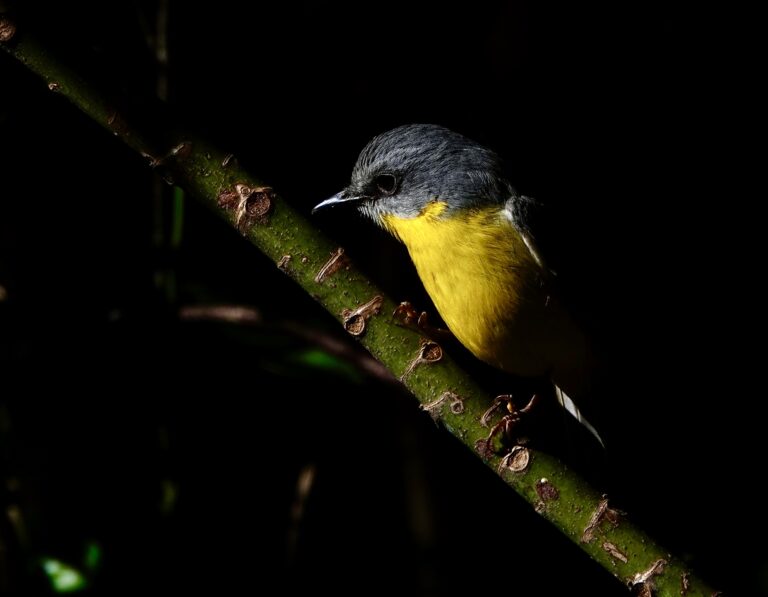
The Kauai Elepaio is a member of the Monarch Flycatcher family, distinguished by its inquisitive nature and distinctive vocalizations. Adult Kauai Elepaios typically measure around 6 inches in length and exhibit a striking plumage of brown and white with a rust-colored cap. Their wings and tail are adorned with white bars, and they possess a unique ability to navigate through dense forest canopies with agility.
This bird is not just a visual delight; it plays a crucial role in the ecosystem. As an insectivore, the Kauai Elepaio contributes to the control of insect populations, thus maintaining the ecological balance within its habitat. Its presence is an indicator of forest health, making its conservation essential for preserving the island’s biodiversity.
Cultural Importance
Beyond its ecological role, the Kauai Elepaio holds cultural significance for the native Hawaiian people. In traditional Hawaiian culture, birds are often seen as ‘aumakua’ or ancestral spirits that guide and protect families. The Elepaio, in particular, was believed to be a guide for canoe builders, signaling whether a tree was suitable for constructing a canoe with its calls and behavior. This deep cultural connection underscores the importance of preserving this species for future generations.
Threats to Survival
Despite its importance, the Kauai Elepaio population has been in decline, primarily due to habitat loss, invasive species, and diseases. The introduction of non-native animals like rats, cats, and pigs has been particularly detrimental, as they prey on Elepaio eggs and chicks. Furthermore, the spread of avian diseases, such as avian malaria and pox, has intensified these threats, as the Kauai Elepaio lacks immunity to these foreign pathogens.
Habitat destruction, driven by urbanization and agriculture, has further reduced the availability of suitable nesting and foraging sites. Climate change exacerbates these challenges by altering the ecological dynamics of the forests, potentially leading to shifts in food availability and habitat conditions.
Conservation Efforts
Recognizing the critical status of the Kauai Elepaio, various conservation initiatives have been implemented to protect this precious species. The Kauai Forest Bird Recovery Project, in collaboration with state and federal agencies, focuses on habitat restoration, predator control, and disease management. Efforts include fencing off critical habitats to prevent the intrusion of invasive species and planting native vegetation to restore the natural forest environment.
Moreover, public awareness campaigns aim to educate both locals and tourists about the importance of conserving the Kauai Elepaio and its habitat. Community involvement is encouraged through volunteer programs, which provide opportunities for individuals to participate in conservation activities, such as tree planting and habitat monitoring.
The Path Forward
The plight of the Kauai Elepaio is emblematic of the broader challenges facing Hawaii’s native species. While the path to recovery is fraught with obstacles, continued commitment to conservation and community engagement offers hope. By fostering a deeper understanding and appreciation of this unique bird, we can inspire collective action to ensure that the Kauai Elepaio, along with the rich biodiversity of Hawaii, thrives for generations to come.
In conclusion, the Kauai Elepaio is more than just a bird; it is a symbol of Hawaii’s natural and cultural legacy. Its survival is a testament to the resilience of nature and the power of conservation to preserve the intricate tapestry of life on this island paradise.
Related posts