Introduction
The Ashy Chinchilla Rat (Abrocoma cinerea) is a fascinating mammal species belonging to the family Abrocomidae. Known for its distinct appearance, this rodent is native to the Andean regions of South America. Despite its name, the Ashy Chinchilla Rat is not closely related to chinchillas but shares a superficially similar appearance. With its elusive nature and limited range, this species has intrigued biologists and mammal enthusiasts alike. This comprehensive article delves into the various aspects of the Ashy Chinchilla Rat, from its physical characteristics to its behavior, habitat, and more.
Physical Description
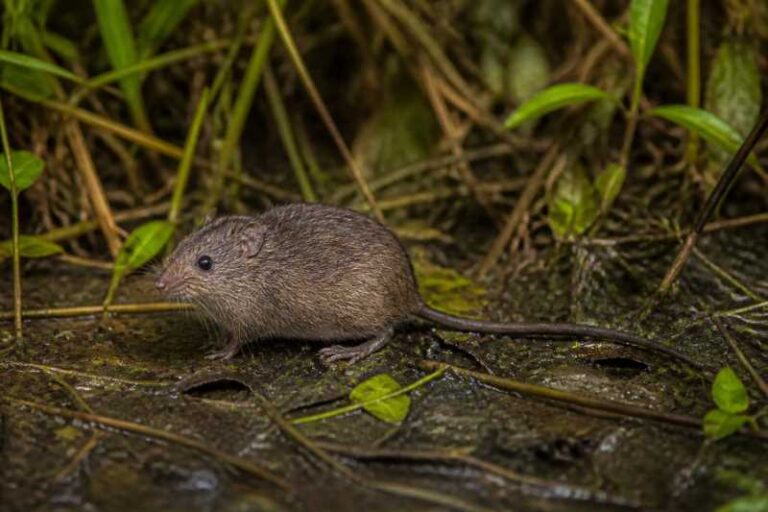
The Ashy Chinchilla Rat is a medium-sized rodent, typically measuring between 20 to 25 centimeters in length, excluding the tail, which adds another 15 to 20 centimeters. True to its name, the Ashy Chinchilla Rat exhibits a soft, dense coat of fur that is predominantly ashy gray, providing excellent camouflage against the rocky Andean landscapes. This rodent is equipped with large, rounded ears and a bushy tail, reminiscent of the more familiar chinchilla. Its limbs are short, yet sturdy, adapted to climbing and navigating rocky terrains. The Ashy Chinchilla Rat possesses strong, sharp claws which are essential for digging and foraging.
Range and Habitat
The Ashy Chinchilla Rat is endemic to the high-altitude regions of the Andes Mountains, primarily found in countries such as Bolivia, Peru, Chile, and Argentina. It inhabits rocky, arid environments at altitudes ranging from 3,000 to 5,000 meters above sea level. This rodent is well-adapted to the harsh conditions of these high-elevation areas, where temperatures can vary dramatically between day and night. The Ashy Chinchilla Rat is often found in rocky crevices and burrows, providing shelter from predators and extreme weather conditions.
Behavior and Diet
The Ashy Chinchilla Rat is primarily nocturnal, exhibiting most of its activity during the night. This behavior helps it avoid predators and the harsh daytime temperatures found in its natural habitat. As a social species, it often forms small colonies, with individuals communicating through a series of vocalizations and scent markings.
In terms of diet, the Ashy Chinchilla Rat is herbivorous, feeding mainly on grasses, seeds, and other plant materials. Its strong incisors and robust digestive system allow it to efficiently process fibrous plant material. During the dry season, when food is scarce, it relies on its ability to store fat reserves and forages more actively to sustain itself.
Identification Tips (Field Recognition Cues)
Identifying the Ashy Chinchilla Rat in the field requires keen observation and understanding of its distinct features:
- Fur Color: Look for the characteristic ashy-gray fur, which provides camouflage against rocky terrains.
- Size and Shape: Note the medium size, with a bushy tail and large, rounded ears.
- Behavior: Observe nocturnal activity patterns and social behaviors in colonies.
- Habitat: Search rocky crevices and high-altitude areas within its range.
Conservation Status (With Threats and Protections)
The Ashy Chinchilla Rat is currently listed as "Least Concern" on the IUCN Red List. However, it faces several threats that could impact its populations in the future. Habitat destruction due to mining activities, agriculture, and urbanization poses significant risks to its natural environment. Additionally, climate change may alter the delicate balance of its high-altitude ecosystem.
Conservation efforts focus on habitat preservation and monitoring population trends. Protected areas within its range play a crucial role in safeguarding its habitat. Further research is necessary to fully understand the species’ ecology and adapt conservation strategies accordingly.
Frequently Asked Questions
1. What is the primary diet of the Ashy Chinchilla Rat? The Ashy Chinchilla Rat primarily feeds on grasses, seeds, and other plant materials. Its herbivorous diet is supported by strong incisors and a robust digestive system that efficiently processes fibrous plant material.
2. Where can the Ashy Chinchilla Rat be found? This species is endemic to the Andes Mountains, specifically in Bolivia, Peru, Chile, and Argentina. It inhabits rocky, arid environments at altitudes ranging from 3,000 to 5,000 meters above sea level.
3. How does the Ashy Chinchilla Rat adapt to its environment? The Ashy Chinchilla Rat has several adaptations for its high-altitude habitat, including dense, ashy-gray fur for camouflage, nocturnal habits to avoid predators and extreme daytime temperatures, and strong claws for climbing and foraging.
4. Is the Ashy Chinchilla Rat endangered? Currently, the Ashy Chinchilla Rat is listed as "Least Concern" by the IUCN. However, threats such as habitat destruction and climate change could impact its populations, necessitating ongoing conservation efforts.
Related posts