Introduction
The Ooldea Dunnart (Sminthopsis ooldea) is a fascinating small marsupial native to Australia. As a member of the family Dasyuridae, this diminutive creature is part of the diverse and ecologically significant group of mammals known as dunnarts. The Ooldea Dunnart is named after its type locality, Ooldea, which lies in the arid regions of South Australia. Despite its small size and elusive nature, this species plays a crucial role in its ecosystem, acting as both predator and prey within its food web. The study of the Ooldea Dunnart not only enriches our understanding of marsupial diversity but also highlights the ecological intricacies of Australia’s arid landscapes.
Physical Description
The Ooldea Dunnart is a small, nocturnal marsupial with distinct physical characteristics that aid in its survival in harsh environments. Adults typically weigh between 15 to 20 grams and have a body length ranging from 70 to 90 mm, excluding the tail. The tail itself, which is slightly longer than the body, measures approximately 80 to 100 mm.
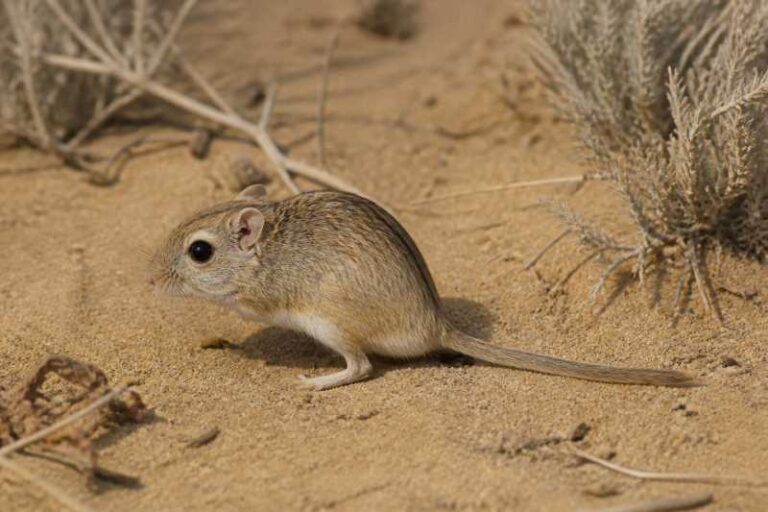
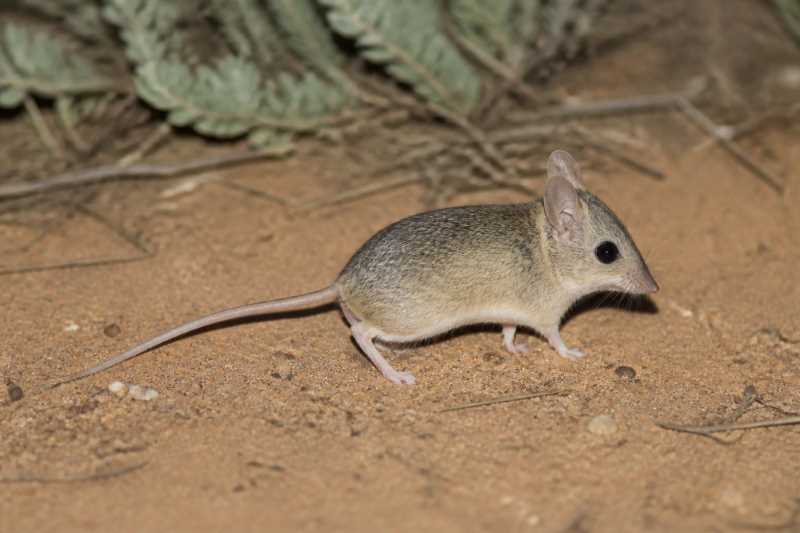
The fur of the Ooldea Dunnart is typically a sandy brown or grey, providing excellent camouflage against the arid landscape. Its underbelly is lighter, often appearing white or cream-colored. The species is characterized by its pointed snout, large eyes adapted for nocturnal vision, and prominent ears that aid in detecting prey and avoiding predators.
Range and Habitat
The Ooldea Dunnart is predominantly found in the arid and semi-arid regions of central and southern Australia. Its range includes areas such as the Great Victoria Desert, and parts of the Nullarbor Plain. The species thrives in environments characterized by sparse vegetation, sandy soils, and low rainfall. Typical habitats include open shrublands, grasslands, and spinifex-dominated ecosystems, where they utilize the cover provided by low-lying vegetation and soil crevices.
Behavior and Diet
As a nocturnal carnivore, the Ooldea Dunnart is most active during the night. This behavior helps it avoid the extreme daytime temperatures of its arid habitat. The species is solitary, with individuals maintaining their own home ranges, though these may overlap with those of other dunnarts.
The diet of the Ooldea Dunnart primarily consists of insects and other small invertebrates. They are opportunistic feeders, preying on whatever is available, including beetles, spiders, and occasionally small vertebrates. The species relies on its keen sense of hearing and sight to locate prey, often pouncing with precision to capture its target.
Identification Tips
Identifying the Ooldea Dunnart in the field can be challenging due to its small size and elusive nature. However, there are a few key features to look for:
- Size and Build: Look for a small marsupial with a slender build and a long tail.
- Fur Coloration: Note the sandy brown or grey fur with a lighter underbelly.
- Ears and Snout: Large, rounded ears and a pointed snout are characteristic.
- Behavior: Being nocturnal, sightings are more likely at night.
Conservation Status
The conservation status of the Ooldea Dunnart is currently listed as ‘Least Concern’ by the International Union for Conservation of Nature (IUCN). However, like many species in arid Australia, it faces threats from habitat destruction, climate change, and predation by introduced species such as cats and foxes.
Conservation efforts focus on habitat preservation and management, as well as controlling the populations of invasive predators. Research continues to better understand the species’ ecology, distribution, and population trends, which are essential for effective conservation strategies.
Frequently Asked Questions
1. What is the habitat of the Ooldea Dunnart? The Ooldea Dunnart inhabits arid and semi-arid regions of Australia, including the Great Victoria Desert. They prefer open shrublands and grasslands with sandy soils.
2. How does the Ooldea Dunnart survive in arid environments? The species is nocturnal, which helps avoid daytime heat, and it has adapted to find and conserve water efficiently through its diet of insects and invertebrates.
3. Are Ooldea Dunnarts endangered? Currently, the Ooldea Dunnart is classified as ‘Least Concern,’ but it faces threats from habitat destruction and predation by invasive species.
4. What do Ooldea Dunnarts eat? Their diet mainly consists of insects, spiders, and occasionally small vertebrates, reflecting their role as opportunistic nocturnal hunters.
5. How can you identify an Ooldea Dunnart? Look for a small marsupial with sandy brown fur, a long tail, large ears, and a pointed snout, often observed at night in its natural habitat.
Related posts