Introduction
The Narrow-billed Antwren (Formicivora iheringi) is a captivating bird species that belongs to the Thamnophilidae family, which is renowned for its diversity and abundance in the Neotropical regions. This small passerine bird is primarily found in the lush and vibrant forests of Brazil, where it thrives in its natural habitat. The Narrow-billed Antwren is an intriguing subject for ornithologists and bird enthusiasts alike, due to its distinctive characteristics and behaviors.
Physical Characteristics
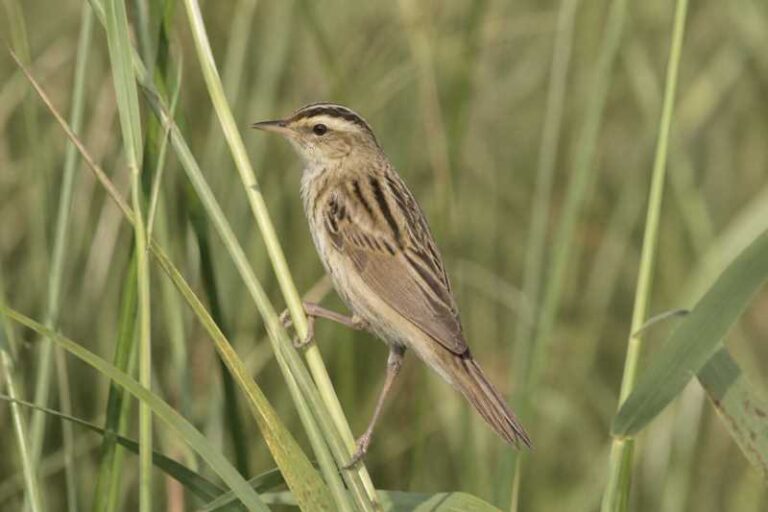
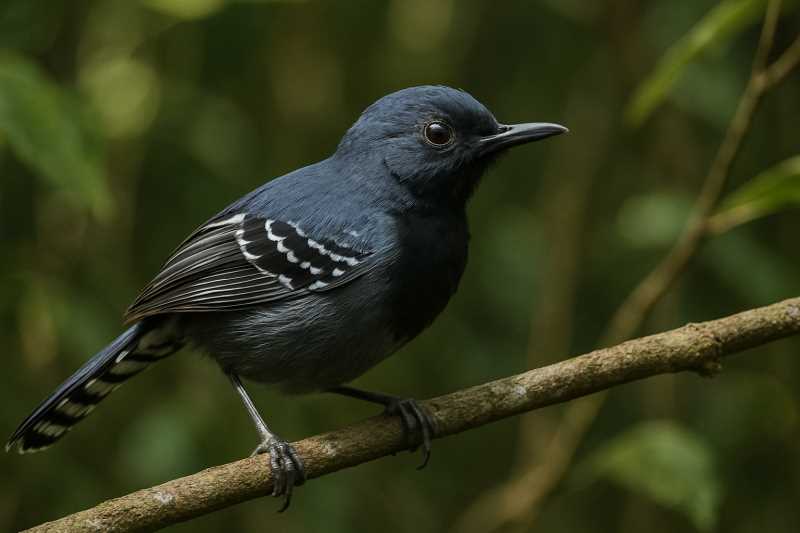
The Narrow-billed Antwren is a small bird, measuring approximately 11 to 12 centimeters in length. Its most distinguishing feature is its narrow bill, which is particularly well-suited for its insectivorous diet. The plumage of this bird is predominantly dark, with males exhibiting striking black and white patterns that contrast vividly with the surrounding foliage. Females, on the other hand, display a more subdued coloration, with shades of brown and gray that provide effective camouflage in their natural environment.
Habitat and Distribution
This species is endemic to Brazil, with its range predominantly confined to the Atlantic Forest biome. The Atlantic Forest is a region of immense biodiversity, although it has been significantly reduced from its original extent due to deforestation and human encroachment. The Narrow-billed Antwren is typically found in the understory of lowland tropical forests, where it forages for insects and other small invertebrates. Its habitat preference for dense, humid forests makes it particularly vulnerable to habitat loss and fragmentation.
Dietary Habits
As an insectivore, the Narrow-billed Antwren primarily feeds on a diet of insects and arthropods. Its narrow bill is an adaptation that allows it to efficiently probe into crevices in tree bark and foliage to extract prey. The bird’s foraging behavior is characterized by short, agile flights and rapid movements as it navigates through the dense understory. This dietary specialization highlights the bird’s role in controlling insect populations within its ecosystem.
Reproduction and Lifespan
The breeding season for the Narrow-billed Antwren typically occurs during the wet season, when food resources are abundant. The species is known for its monogamous pair bonds, with both parents participating in the incubation and care of the young. Nests are usually built in dense foliage close to the ground, providing concealment from predators. Although specific lifespan data for this species is scarce, many small passerines have a lifespan ranging from 3 to 10 years in the wild.
Conservation Status
The Narrow-billed Antwren is currently classified as ‘Near Threatened’ according to the International Union for Conservation of Nature (IUCN) Red List. The primary threat facing this species is habitat loss due to deforestation for agriculture, urbanization, and logging. Conservation efforts are focused on preserving the remaining fragments of the Atlantic Forest and promoting sustainable land-use practices. Initiatives such as the establishment of protected areas and ecological corridors are crucial for the long-term survival of this and other forest-dependent species.
Importance of Conservation
The conservation of the Narrow-billed Antwren is vital not only for maintaining biodiversity but also for preserving the ecological functions that this species performs. As an insectivore, the antwren plays a role in regulating insect populations, contributing to the health of forest ecosystems. Furthermore, its presence is an indicator of the overall health of the Atlantic Forest, making it a valuable species for monitoring environmental change.
Conclusion
The Narrow-billed Antwren is a remarkable bird that embodies the rich biodiversity of the Atlantic Forest. Its unique adaptations, ecological role, and the challenges it faces highlight the importance of targeted conservation efforts. Protecting this species and its habitat is essential for safeguarding the intricate balance of life in one of the world’s most diverse and threatened ecosystems. By raising awareness and promoting sustainable practices, we can help ensure the survival of the Narrow-billed Antwren and the myriad of life forms that share its home.
References
1. BirdLife International. (2022). Formicivora iheringi. The IUCN Red List of Threatened Species.
2. Marini, M.Â., & Garcia, F. I. (2005). Bird conservation in Brazil: Challenges and opportunities. Conservation Biology, 19(3), 665-671.
3. Ridgely, R. S., & Tudor, G. (1994). The Birds of South America, Vol. II: The Suboscine Passerines. University of Texas Press.
Further Reading
– Parker, T. A., Stotz, D. F., & Fitzpatrick, J. W. (1996). Ecological and distributional databases for Neotropical birds. Field Museum of Natural History.
– Willis, E. O., & Oniki, Y. (2003). Aves do Estado de São Paulo. Divisão de Fauna, Departamento de Zoologia, Secretaria do Meio Ambiente.
Related posts