The Bar-shouldered Dove: An In-depth Look at Geopelia humeralis
The Bar-shouldered Dove (Geopelia humeralis) is a distinct and captivating bird species native to Australia and parts of Papua New Guinea. Known for its unique plumage and melodic calls, this bird is an essential part of the ecosystems it inhabits. In this article, we will explore the habitat, behavior, diet, and conservation status of the Bar-shouldered Dove, providing a comprehensive understanding of this remarkable species.
Habitat and Distribution
The Bar-shouldered Dove is predominantly found in northern and eastern Australia, with its range extending into southern New Guinea. Its preferred habitats include open forests, woodlands, and urban areas, particularly those near water sources. The adaptability of the species to various environments, including suburban gardens and parks, has contributed to its widespread presence across its range.
These doves thrive in areas where they can easily access food and water, often seen foraging on the ground in search of seeds, small insects, and other food sources. Their preference for habitats close to water bodies is likely due to the availability of food and safe nesting sites.
Physical Characteristics
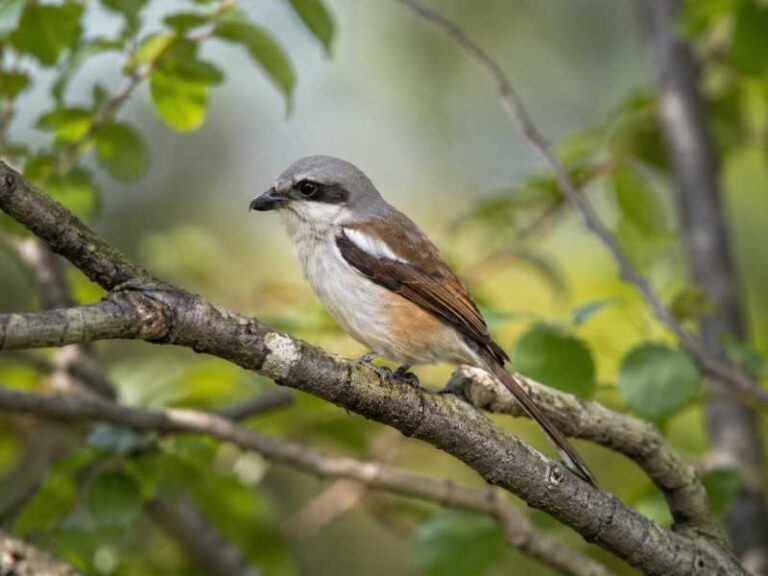
The Bar-shouldered Dove is easily identifiable due to its characteristic plumage and size. Typically measuring between 26 to 30 centimeters in length, the dove features a light grayish-blue head and neck, with distinctive copper-colored bars on its shoulders—hence the name “Bar-shouldered Dove.” The rest of its plumage is a mix of browns and grays, providing camouflage in its natural environment.
A striking feature of the Bar-shouldered Dove is its iridescent nape feathers, which can appear in shades of green or purple depending on the light. This iridescence, combined with the bird’s soft cooing calls, makes it a popular subject for bird watchers and photographers alike.
Behavior and Social Structure
Bar-shouldered Doves are generally seen in pairs or small groups. They are known for their gentle and calm demeanor, rarely engaging in aggressive behavior. During the breeding season, which occurs mainly in the spring and summer months, these doves become more territorial and can be observed performing courtship displays.
Their nests are typically constructed in trees or shrubs, often near water. The female usually lays two white eggs, which both parents incubate. After about two weeks, the eggs hatch, and the chicks are cared for by both parents until they are ready to fledge.
The vocalizations of the Bar-shouldered Dove are a series of soft coos, often described as soothing and melodious. These calls are used for communication between mates and to establish territory.
Diet and Feeding Habits
Primarily granivorous, the Bar-shouldered Dove’s diet consists mainly of seeds from grasses and other plants. They are also known to consume small quantities of insects and other invertebrates, especially during the breeding season when protein is essential for chick development.
Foraging typically occurs on the ground, where these doves use their keen eyesight to locate food. They are often seen in open areas where seeds are abundant, such as gardens, parks, and agricultural fields.
Conservation Status
Currently, the Bar-shouldered Dove is classified as a species of Least Concern by the International Union for Conservation of Nature (IUCN). This status is due to its broad range and stable population numbers. However, like many bird species, it faces threats from habitat destruction and climate change.
Urban expansion and agricultural development can lead to the loss of suitable habitats, putting pressure on local populations. Conservation efforts focus on maintaining natural habitats and promoting awareness of the importance of these birds to the ecosystem.
In urban areas, these doves have shown remarkable adaptability, often thriving in man-made environments. This adaptability has helped buffer the species against some of the more severe impacts of habitat loss.
Conclusion
The Bar-shouldered Dove is a resilient and fascinating species, playing a vital role in its native ecosystems. Its ability to adapt to changing environments while maintaining stable population levels is a testament to its evolutionary success. As urbanization and climate change continue to challenge wildlife, understanding and conserving species like the Bar-shouldered Dove will be crucial for maintaining biodiversity.
By appreciating the beauty and ecological value of these birds, we can foster a deeper connection to nature and a commitment to protecting the natural world. Whether observed in the wild or enjoyed as a part of urban biodiversity, the Bar-shouldered Dove remains a symbol of the enduring harmony between wildlife and the environments they inhabit.
Related posts