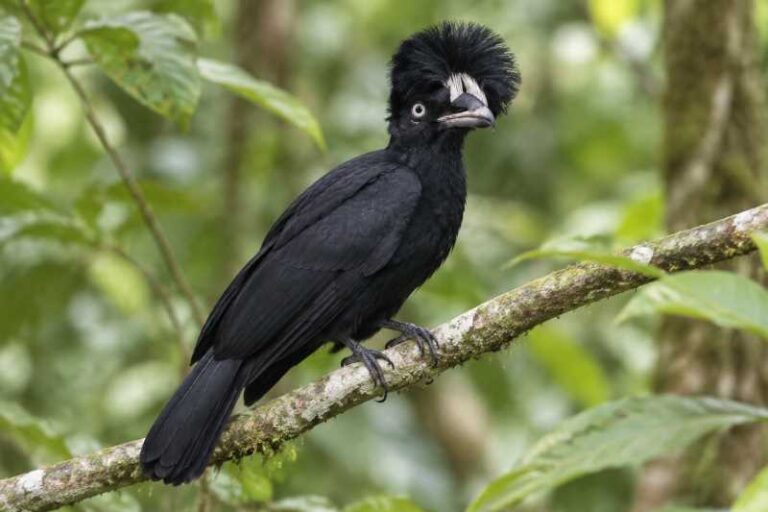
The Caribbean Dove: An Emblem of Tropical Serenity
In the vibrant tapestry of Caribbean wildlife, the Caribbean Dove, scientifically known as *Leptotila jamaicensis*, stands out as a symbol of tranquility and grace. This bird, a member of the Columbidae family, is a testament to the rich biodiversity of the Caribbean region. Its presence across several islands makes it an integral part of the local ecosystems, where it contributes to the balance and health of its habitat.
Description and Physical Characteristics
The Caribbean Dove is a medium-sized bird, measuring approximately 28-32 centimeters in length. Its plumage is a harmonious blend of subtle colors, predominantly featuring shades of brown and gray. The upperparts of the dove exhibit a warm, brown hue, which seamlessly transitions into a lighter gray on the underparts. This discreet coloration provides excellent camouflage among the island’s foliage. A distinctive feature of the Caribbean Dove is its iridescent neck patch, which reflects hues of green and purple, adding a touch of elegance to its appearance.
The bird’s eyes are surrounded by a bare, blue-gray skin, which contrasts with its soft feathering. This species exhibits sexual monomorphism, meaning both males and females appear similar in appearance, making it challenging to distinguish between the two in the wild.
Habitat and Distribution
The Caribbean Dove is native to the Caribbean islands, with its range extending across Jamaica, the Cayman Islands, and the Bahamas. It favors environments that offer a combination of dense shrubbery and open spaces, such as forests, woodlands, and coastal areas. This habitat preference allows the dove to forage effectively while remaining protected from potential predators.
The adaptability of the Caribbean Dove to various habitats is evident in its presence in both natural and altered environments. While it thrives in undisturbed forests, it has also been observed in gardens and plantations, where human activity is prevalent. This adaptability is crucial for its survival, especially on islands where natural habitats face threats from human encroachment and development.
Behavior and Diet
Caribbean Doves are generally solitary or found in pairs, reflecting their territorial nature. They are ground foragers, primarily consuming seeds, fruits, and small invertebrates. Their diet plays an essential role in seed dispersal, contributing to the regeneration of plant life within their habitat.
The bird’s courtship behavior is a fascinating display of avian rituals. Males perform a series of bowing motions accompanied by soft cooing sounds to attract females. Once a pair forms a bond, they work together to build a nest. Typically, the nest is a simple structure made of twigs and leaves, strategically placed in a tree or shrub to shield the eggs from predators.
Conservation Status and Threats
The Caribbean Dove is currently classified as Least Concern by the International Union for Conservation of Nature (IUCN). However, its population is not immune to the threats that plague many island species. Habitat destruction due to urbanization and agriculture poses a significant threat to their natural environments. Additionally, the introduction of invasive species, such as rats and cats, has led to increased predation on both eggs and young doves.
Conservation efforts are essential to ensure the long-term survival of the Caribbean Dove. Protecting and restoring natural habitats, alongside controlling invasive species, are vital components of these efforts. Engaging local communities in conservation initiatives can also foster a sense of stewardship and appreciation for this beautiful bird.
The Cultural Significance of the Caribbean Dove
Beyond its ecological importance, the Caribbean Dove holds cultural significance for the inhabitants of the islands. Its gentle demeanor and soothing coos have made it a beloved symbol of peace and harmony. In some Caribbean folklore, the dove is seen as a messenger of love and a harbinger of good fortune.
The presence of the Caribbean Dove in local art, music, and literature underscores its role as an emblem of the natural beauty and cultural richness of the region. It serves as a reminder of the interconnectedness of life and the importance of protecting the delicate balance of island ecosystems.
Conclusion
The Caribbean Dove, with its understated elegance and ecological significance, is a vital part of the Caribbean’s natural heritage. As we continue to explore and appreciate the wonders of this region, it is imperative to prioritize the conservation of species like the Caribbean Dove. By doing so, we not only preserve the biodiversity of the islands but also safeguard the cultural and natural legacy for future generations.
The Caribbean Dove’s story is a poignant reminder of the beauty and fragility of island ecosystems. Through concerted conservation efforts and a deep appreciation for nature, we can ensure that the soothing coos of the Caribbean Dove continue to echo across the islands, offering serenity and inspiration for years to come.
Related posts