Exploring the Mottled Swift: A Glimpse into the Life of Tachymarptis aequatorialis
The Mottled Swift, scientifically known as Tachymarptis aequatorialis, is an avian marvel that captures the interest of ornithologists and bird enthusiasts alike. This swift, native to the highland regions of Africa, is part of the Apodidae family, known for its incredible aerial abilities and distinctive mottled plumage. In this article, we delve into the fascinating world of the Mottled Swift, exploring its habitat, physical characteristics, behavior, and its role in the ecosystem.
Habitat and Distribution
The Mottled Swift is predominantly found in the high-altitude regions of Central and East Africa. Its range includes countries such as Ethiopia, Kenya, Uganda, and Tanzania, where it favors mountainous terrains and escarpments. These birds are well-adapted to life at elevations between 1,500 to 3,500 meters above sea level, often residing near cliffs and rocky outcrops. Such environments provide ideal nesting sites and abundant aerial insect prey.
Unlike many other swifts, the Mottled Swift does not migrate extensively, but it may exhibit altitudinal movements in response to seasonal changes in food availability and climatic conditions. This relatively stable range and habitat preference make it a subject of study for understanding high-altitude avian ecology.
Physical Characteristics
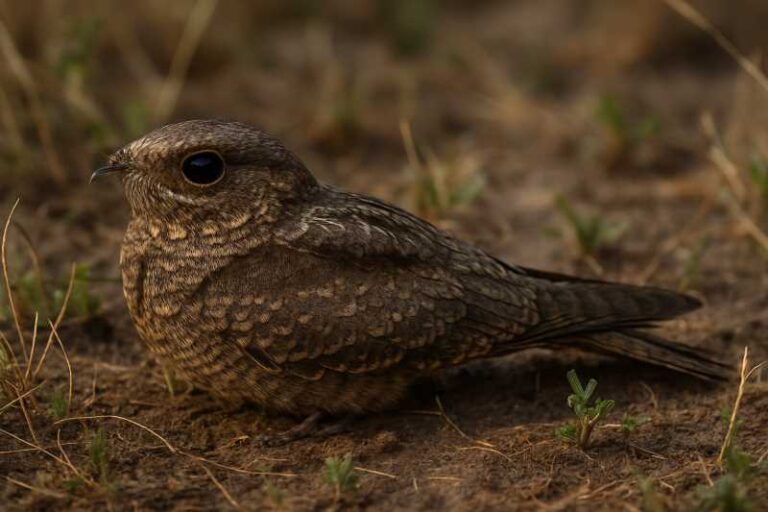
The Mottled Swift is a robust bird, measuring approximately 20 to 22 centimeters in length with a wingspan of about 50 to 55 centimeters. Its plumage is predominantly dark brown with a distinctive mottled pattern that gives the species its name. This pattern provides effective camouflage against the rocky surfaces of its habitat, protecting it from predators and aiding in nesting.
One of the most striking features of the Mottled Swift is its long, narrow wings and short, forked tail, which are perfectly adapted for its fast and agile flight. These physical adaptations enable the swift to spend most of its life on the wing, hunting for insects and engaging in aerial displays.
Behavioral Traits
Mottled Swifts are renowned for their aerial prowess, spending the majority of their lives in flight. They feed almost exclusively on flying insects, which they catch in their wide, gaping mouths while in motion. This diet plays a crucial role in controlling insect populations, thus maintaining ecological balance in their habitats.
These birds are highly social, often seen in large flocks, especially during feeding or roosting times. Their social structure is complex, with coordinated flight patterns and vocal communications that help maintain group cohesion. Mottled Swifts are also known for their spectacular aerial courtship displays, which involve intricate maneuvers and high-speed chases.
Reproduction and Lifespan
The breeding season of the Mottled Swift coincides with the rainy season, when food availability is at its peak. They typically nest in crevices on cliff faces or in abandoned buildings, where they construct cup-shaped nests from feathers and saliva. The female lays one to two eggs, and both parents share incubation duties, which last approximately 19 to 21 days.
Chicks are altricial, meaning they are born blind and featherless, requiring extensive parental care. Both parents are involved in feeding and nurturing the young until they fledge at around 45 to 50 days old. The Mottled Swift’s lifespan is not well-documented, but like other swifts, it is believed to be relatively long, possibly exceeding 10 years in the wild.
Conservation Status
Currently, the Mottled Swift is not listed as threatened or endangered. Its wide distribution and adaptability to various highland environments contribute to its stable population status. However, ongoing monitoring is essential to ensure that changes in land use and climate do not adversely affect its habitat.
Role in the Ecosystem
The Mottled Swift plays a vital ecological role as a predator of insects, helping to regulate populations of mosquitoes, flies, and other pests. This natural pest control is beneficial to both the environment and human populations, reducing the need for chemical insecticides and contributing to biodiversity.
In conclusion, the Mottled Swift is a remarkable species that embodies the resilience and adaptability of birds living in high-altitude environments. Its unique behaviors and ecological contributions highlight the importance of preserving these habitats to ensure the survival of such fascinating avian species. Continued research and conservation efforts are crucial to understanding and protecting the Mottled Swift and the ecosystems it inhabits.
Related posts