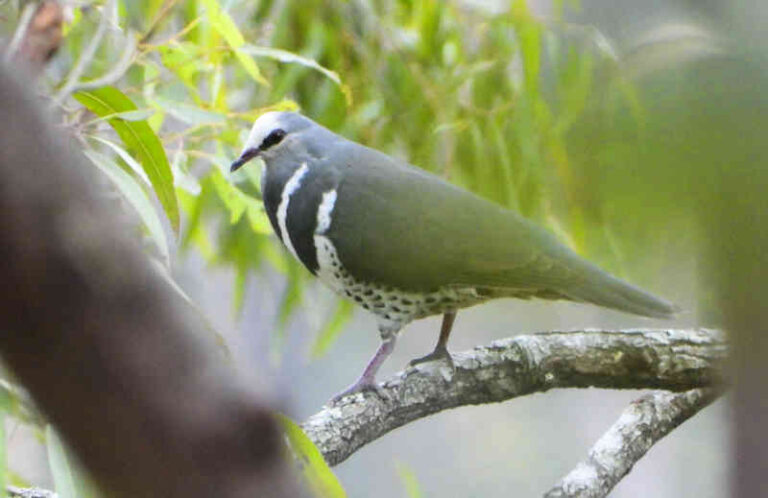
The Common Ringed Plover: A Comprehensive Overview
The Common Ringed Plover (Charadrius hiaticula) is a small but robust shorebird that captivates birdwatchers and ornithologists alike with its distinctive features and intriguing behaviors. Found across the northern hemisphere, this species thrives in a range of habitats from coastal shorelines to inland wetlands.
Identification and Physical Features
The Common Ringed Plover is easily identifiable by its striking plumage. Adults exhibit a prominent black band across their forehead and eyes, which contrasts sharply with their white underparts. A distinguishing black ring encircles their neck, giving them their name. Their upperparts are a soft brown, providing excellent camouflage against sandy and rocky terrains. These birds are compact, measuring about 18-20 cm in length with a wingspan of up to 57 cm. Their short, orange legs and small, pointed bill are ideal for their foraging lifestyle.
Habitat and Distribution
The Common Ringed Plover breeds primarily in the Arctic and sub-Arctic regions, especially across Scandinavia, Russia, and Greenland. During winter, they migrate to milder climates, with significant populations settling along the coastlines of Western Europe, Africa, and South Asia. Their preferred habitats include sandy and pebble beaches, tidal mudflats, and estuaries, where they can find ample food and shelter.
Behavior and Diet
These plovers are known for their characteristic "stop-run-peck" foraging behavior. They primarily feed on insects, crustaceans, and worms, which they deftly extract from the sand or mud using their sharp bills. Their feeding technique involves rapid movements, which help them locate prey hidden beneath the surface.
Social creatures, Common Ringed Plovers are often seen in flocks, particularly during migration. They communicate through a series of calls and visual displays, which play a crucial role in their courtship and territorial defense. Notably, their "broken-wing" display is an ingenious tactic to distract predators from their nests.
Breeding and Nesting
The breeding season for Common Ringed Plovers begins in late spring. They are ground-nesters, often creating simple scrapes in the gravel or sand, lined with small pebbles and shells for camouflage. Clutches typically consist of 3-4 eggs, which are incubated by both parents. The chicks are precocial, meaning they are relatively mature and mobile from the moment they hatch, allowing them to leave the nest within hours of birth and begin foraging under the watchful eyes of their parents.
Conservation Status
The Common Ringed Plover is currently classified as a species of Least Concern by the IUCN. However, they face various threats, including habitat loss due to coastal development and climate change. Rising sea levels and increased human activity in coastal areas pose significant risks to their breeding and feeding grounds. Conservation efforts are essential to monitor population trends and protect critical habitats.
Conclusion
The Common Ringed Plover is a remarkable species, showcasing adaptability and resilience in diverse environments. Their widespread presence across the globe and unique behaviors make them a fascinating subject of study for ornithologists and bird enthusiasts. Protecting their habitats ensures that future generations can continue to admire these charming birds along our shorelines.
Observing the Common Ringed Plover
For those interested in observing these birds, the best time is during migration seasons when they gather in large numbers along coastal areas. Equipped with binoculars and a field guide, birdwatchers can enjoy the sight of these agile plovers as they dart across the sand in search of food.
The Common Ringed Plover remains an enduring symbol of the delicate balance of our coastal ecosystems, reminding us of the importance of conservation and the beauty of avian life.
Related posts