The Amur Stonechat (Saxicola stejnegeri): A Vibrant Jewel of the Eastern Palearctic
The Amur Stonechat, known scientifically as Saxicola stejnegeri, is a captivating passerine bird that has garnered interest among ornithologists and bird enthusiasts alike. Known for its vibrant plumage and distinct call, this bird is an intriguing subject of study due to its migratory patterns and habitat preferences. This article delves into the unique characteristics, behavior, habitat, and conservation status of the Amur Stonechat, aiming to provide a comprehensive overview of this remarkable species.
Physical Characteristics
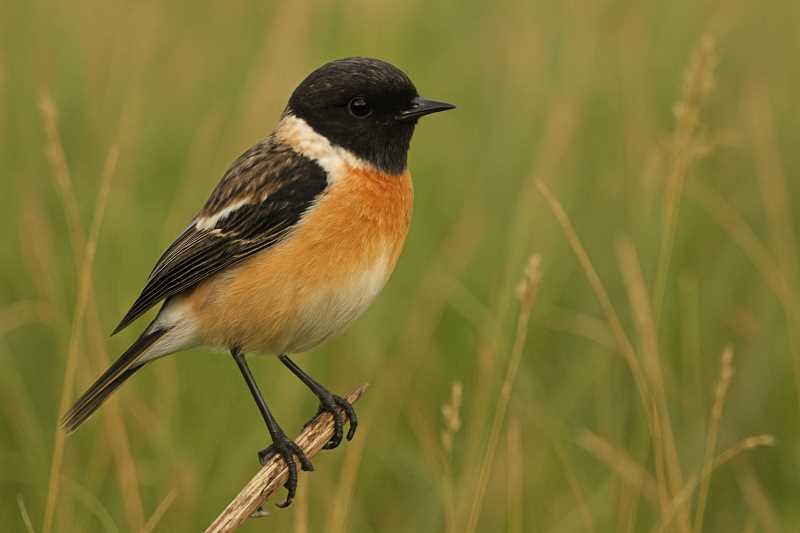
The Amur Stonechat is a small bird, measuring approximately 12-13 centimeters in length. It is often celebrated for its striking appearance, which includes a black head, white collar, and orange breast in males. The females, while slightly more subdued in color, still exhibit a charming combination of browns and oranges. During the non-breeding season, the males’ colors become less pronounced, blending more with the muted hues of their environment.
The bird’s physical structure is adapted for its lifestyle, with a short tail and strong legs that aid in its characteristic perching behavior. The Amur Stonechat’s bill is relatively short and straight, perfectly suited for its insectivorous diet.
Habitat and Distribution
The Amur Stonechat is primarily found across the eastern Palearctic region, with its breeding grounds stretching from eastern Siberia to northeastern China and the Korean Peninsula. During the breeding season, these birds prefer open grasslands, agricultural fields, and areas with scattered shrubs and trees that provide both food resources and nesting sites.
As a migratory species, the Amur Stonechat travels to southern parts of Asia, including Southeast Asia and southern China, to escape the harsh northern winters. This seasonal migration is a testament to the bird’s adaptability and resilience, as it traverses vast distances to find suitable climates and food availability.
Behavior and Diet
The Amur Stonechat is known for its lively and agile behavior. It often perches conspicuously on tall stems or wires, from where it can swoop down to catch insects, its primary food source. The bird’s diet mainly consists of a variety of insects, including beetles, grasshoppers, and caterpillars, which it catches with remarkable speed and precision.
During the breeding season, males are particularly vocal, employing a series of sharp, clicking sounds to establish territory and attract mates. This vocalization is often accompanied by a display of their colorful plumage, making them a delight to observe.
Reproduction and Lifespan
Breeding for the Amur Stonechat begins in the spring, around April to May. The birds are monogamous during the breeding season, with both males and females sharing responsibilities for nest building and chick rearing. Nests are typically constructed close to the ground, hidden among grass or low shrubs to protect from predators.
A typical clutch consists of 4-6 eggs, which the female incubates for about two weeks. After hatching, both parents are involved in feeding the chicks, which fledge approximately two weeks after hatching. The juvenile birds, though less vibrant than adults, quickly learn survival skills from their parents before embarking on their migratory journey.
Conservation and Threats
The Amur Stonechat is currently listed as a species of Least Concern by the International Union for Conservation of Nature (IUCN). However, like many wildlife species, it faces threats from habitat loss due to agricultural expansion and urban development. Pesticide use also poses a significant risk, as it reduces the availability of insects that constitute their diet.
Conservation efforts are essential to ensure the continued survival of the Amur Stonechat. Protecting natural habitats, promoting sustainable agricultural practices, and regulating pesticide use are crucial measures. Additionally, international cooperation is vital, given the bird’s migratory nature, to address conservation challenges across its range.
Conclusion
The Amur Stonechat is a remarkable bird that embodies the vibrancy and resilience of nature. Its striking appearance, fascinating behavior, and extensive migratory patterns make it a subject of admiration and study. By understanding and addressing the challenges it faces, we can contribute to the preservation of this species and the rich biodiversity of our planet.
Bird enthusiasts and conservationists alike continue to advocate for the protection of the Amur Stonechat’s habitats, ensuring that future generations can enjoy the sight of this vibrant jewel of the eastern Palearctic. As we celebrate its beauty and ecological significance, the Amur Stonechat serves as a reminder of the intricate connections within the natural world and our role in preserving them.
Related posts