Leighton’s Oyan (Poiana leightoni): An In-Depth Exploration
Introduction
Leighton’s Oyan, scientifically known as Poiana leightoni, is a fascinating yet lesser-known member of the viverrid family. This elusive mammal, often overshadowed by its more famous relatives like the binturong and the civet, inhabits the dense forests of West Africa. Despite its relatively low profile, Leighton’s Oyan plays a crucial role in its ecosystem, balancing the populations of various prey species. This comprehensive article delves into the intriguing aspects of this species, from its physical characteristics and habitat preferences to its behavior and conservation status.
Physical Description
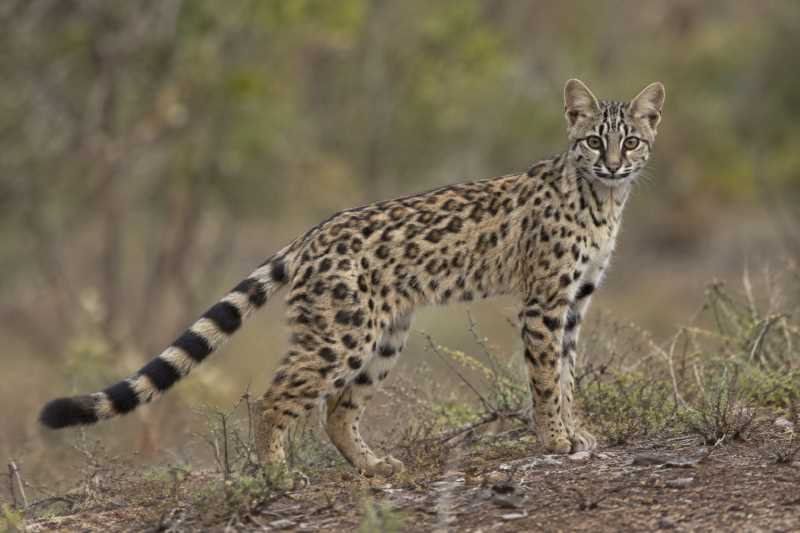
Leighton’s Oyan is a small, agile carnivore distinguished by its sleek, elongated body and bushy tail. Adult individuals typically measure between 45 to 60 cm in body length, with their tails often extending an additional 40 to 55 cm. Weighing in at approximately 1 to 2 kg, these animals are built for climbing and swift movement through the treetops. Their fur is predominantly a mottled gray-brown, providing excellent camouflage in their arboreal environment.
The species’ most striking feature is its facial markings, including a distinctive dark mask around the eyes, reminiscent of a raccoon. Their large, rounded ears and keen eyesight are adaptations for their nocturnal lifestyle, allowing them to navigate and hunt in low-light conditions. Their retractable claws and flexible limbs further enhance their climbing abilities, making them adept at maneuvering through dense foliage.
Range and Habitat
Leighton’s Oyan is endemic to the tropical rainforests of West Africa, with its range primarily extending across countries like Sierra Leone, Liberia, and parts of Ivory Coast. These mammals are arboreal creatures, favoring the dense canopies of primary and secondary forests. They are seldom found in areas that have been heavily logged or converted to agriculture, as they rely heavily on the complex forest structure for shelter and hunting grounds.
Their preference for high-canopy environments means that they are more often heard than seen, with their presence sometimes betrayed by the rustling of leaves or their distinctive vocalizations. The integrity of their habitat is crucial for their survival, as it provides the necessary cover and resources they need to thrive.
Behavior and Diet
Leighton’s Oyan is predominantly nocturnal, spending the daylight hours resting in the safety of the treetops. At night, they become active hunters, relying on their keen senses to locate prey. Their diet is primarily carnivorous, consisting of small mammals, birds, and insects. They are opportunistic feeders and will not hesitate to consume eggs or fruits when available.
These animals are solitary by nature, coming together only during mating season. Communication between individuals is facilitated through a range of vocalizations, scent markings, and visual signals. Despite their solitary tendencies, they are known to be highly territorial, often using scent markings to delineate their home ranges and ward off potential intruders.
Identification Tips (field recognition cues)
Identifying Leighton’s Oyan in the wild can be challenging due to their elusive nature and preference for dense canopy cover. However, there are several key characteristics that can aid in their identification:
- Facial Markings: Look for the distinctive dark mask around the eyes, which is a prominent feature of this species.
- Tail: Note the long, bushy tail which is often held parallel to the body when the animal is in motion.
- Vocalizations: Listen for their unique calls, particularly at night. Their sounds are often described as a series of chirps or trills.
- Movement: Observe their agile, fluid movement through the trees, assisted by their strong limbs and retractable claws.
- Habitat: Focus your search in areas of dense, undisturbed forest where they are most likely to be found.
Conservation Status (with threats and protections)
Currently, Leighton’s Oyan is classified as Near Threatened on the IUCN Red List. The primary threat facing this species is habitat destruction, driven by deforestation for timber and agriculture. As their forest homes are cleared or fragmented, their populations are forced into smaller, isolated pockets, making them more vulnerable to other threats such as hunting and competition for resources.
Conservation efforts are focused on protecting their natural habitats through the establishment of reserves and national parks. Additionally, there is a growing emphasis on sustainable forestry practices and community-based conservation initiatives that involve local populations in the protection of these unique ecosystems. Public awareness campaigns are also crucial in highlighting the ecological importance of Leighton’s Oyan and the need to preserve their habitats.
Frequently Asked Questions
What is the primary diet of Leighton’s Oyan?
Leighton’s Oyan is primarily carnivorous, feeding on small mammals, birds, and insects. They are opportunistic hunters and may also consume eggs and fruits if available.
How can I identify Leighton’s Oyan in the wild?
Identifying Leighton’s Oyan involves looking for its distinctive facial mask, bushy tail, and listening for its unique vocalizations at night. Observing their agile movements in the trees can also provide clues.
Are Leighton’s Oyan endangered?
Leighton’s Oyan is currently classified as Near Threatened. The primary threat to their survival is habitat destruction due to deforestation and land conversion for agriculture.
What is being done to protect Leighton’s Oyan?
Conservation efforts include protecting their habitats through reserves and promoting sustainable forestry. Community-based initiatives are also in place to engage local populations in conservation efforts.
Where can Leighton’s Oyan be found?
Leighton’s Oyan is found in the tropical rainforests of West Africa, particularly in Sierra Leone, Liberia, and parts of Ivory Coast, favoring dense, undisturbed forest canopies.
Related posts