Aquatic Genet (Genetta piscivora): A Comprehensive Guide
Introduction
The Aquatic Genet (Genetta piscivora) is a lesser-known mammal species that inhabits the lush and diverse ecosystems of Central Africa. Known for its unique adaptation to aquatic environments, this elusive carnivore belongs to the family Viverridae, which includes civets and other genets. Despite its obscurity, the Aquatic Genet has intrigued researchers and wildlife enthusiasts due to its specialized lifestyle and ecological significance.
Physical Description
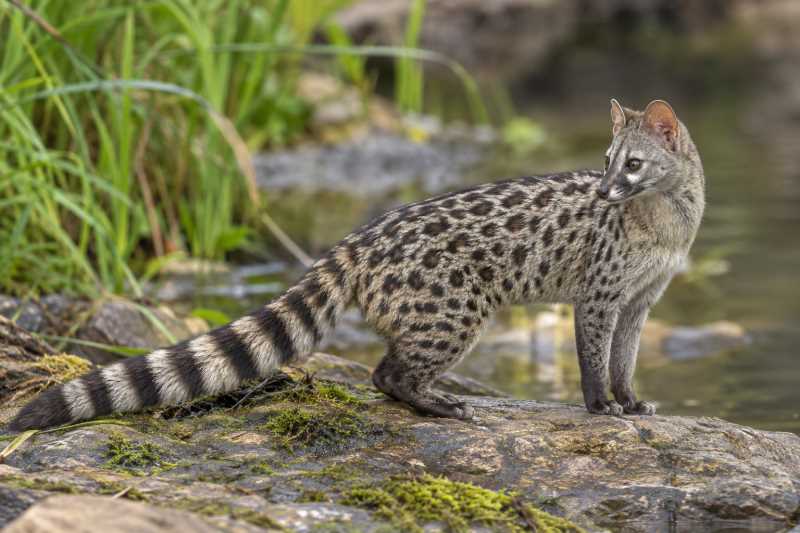
Aquatic Genets are medium-sized carnivores with a slender, elongated body and a characteristic spotted coat. Their fur is generally short and dense, providing insulation and a waterproof barrier essential for their semi-aquatic lifestyle. The coat is typically a greyish or brownish color, adorned with black spots that offer excellent camouflage in their natural habitat.
One of the most distinctive features of the Aquatic Genet is its relatively short legs and webbed feet, adaptations that facilitate swimming and maneuvering in water. Its tail is long and bushy, aiding in balance and serving as a rudder when swimming. The head is small and pointed, with keen eyesight and acute hearing that make it an adept hunter both in water and on land.
Range and Habitat
The Aquatic Genet is endemic to the central regions of Africa, primarily inhabiting the dense rainforests and wetlands of the Democratic Republic of the Congo and neighboring countries. These environments provide the ideal combination of water bodies and rich biodiversity that supports their dietary and shelter needs.
These genets are particularly associated with riverine forests, swamps, and marshy areas where they can exploit their swimming abilities. They are known to adapt to various altitudes, provided there is sufficient water and prey availability.
Behavior and Diet
Aquatic Genets are solitary animals, primarily nocturnal, with activity peaks during the twilight hours. They are highly territorial and use scent marking to establish and defend their home ranges. Unlike many other genet species, the Aquatic Genet is remarkably adapted to an aquatic lifestyle, often seen swimming or wading in search of food.
Their diet is diverse but largely consists of aquatic prey such as fish, amphibians, and crustaceans. They also hunt small mammals, birds, and insects, demonstrating opportunistic feeding habits. This dietary flexibility is crucial for survival in the dynamic ecosystems they inhabit.
Identification Tips (Field Recognition Cues)
Identifying an Aquatic Genet in the wild can be challenging due to their elusive nature and nocturnal habits. However, there are several field recognition cues that can aid in their identification:
- Spot Pattern: Look for the characteristic black spots on a grey or brown coat, which are unique to each individual.
- Habitat: Focus efforts near water bodies in tropical forests, especially during dusk or dawn when they are most active.
- Tracks: Aquatic Genets leave distinctive tracks with webbed footprints near water sources.
- Behavior: Observe for swimming behavior or movement along riverbanks, as these are strong indicators of their presence.
Conservation Status (with threats and protections)
The conservation status of the Aquatic Genet has not been extensively studied, but it is believed to be under pressure from several threats. Habitat destruction due to logging, agriculture, and human settlement is a significant concern, as these activities reduce the available habitat and disrupt the ecosystems they rely on.
Pollution and water contamination from industrial and agricultural operations pose additional threats, impacting the water quality and prey availability. Despite these challenges, there are currently no specific conservation programs targeting the Aquatic Genet, although general wildlife protection laws in their home countries offer some level of protection.
Increased conservation awareness and research into their ecology and population dynamics are essential for developing effective strategies to protect this unique species.
Frequently Asked Questions
What is the primary habitat of the Aquatic Genet?
Aquatic Genets primarily inhabit riverine forests, swamps, and marshy areas in Central Africa. These habitats provide the necessary water bodies and prey availability for their survival.
How does the Aquatic Genet differ from other genet species?
The Aquatic Genet is unique among genets due to its adaptations for an aquatic lifestyle, including webbed feet and a diet that heavily features aquatic prey.
Are Aquatic Genets endangered?
While the exact conservation status of the Aquatic Genet is not well-documented, they face threats from habitat destruction and pollution. Conservation efforts are needed to ensure their survival.
What do Aquatic Genets eat?
Their diet mainly consists of aquatic prey such as fish, amphibians, and crustaceans, along with small mammals, birds, and insects.
How can I identify an Aquatic Genet in the wild?
Look for their distinctive spotted coat, webbed tracks near water, and observe their behavior around aquatic habitats during dusk or dawn.
Related posts