Thamnornis (Thamnornis chloropetoides): A Unique Avian Gem of Madagascar
Nestled within the extraordinary biodiversity of Madagascar is a lesser-known but equally fascinating bird species: the Thamnornis chloropetoides. Often overshadowed by the island’s more iconic wildlife, the Thamnornis—or Thamnornis warbler—is a testament to Madagascar’s unique evolutionary tapestry. This article delves into the captivating world of Thamnornis, exploring its taxonomy, habitat, behavior, conservation status, and the ecological significance it holds.
Taxonomy and Description
The Thamnornis chloropetoides is a member of the Bernieridae family, a group of birds endemic to Madagascar. It was once placed within the Old World warblers (Sylviidae) but has since been reclassified due to genetic and morphological distinctions. The species’ common name, "Thamnornis," is derived from Greek words meaning "bush bird," a nod to its preferred habitat.
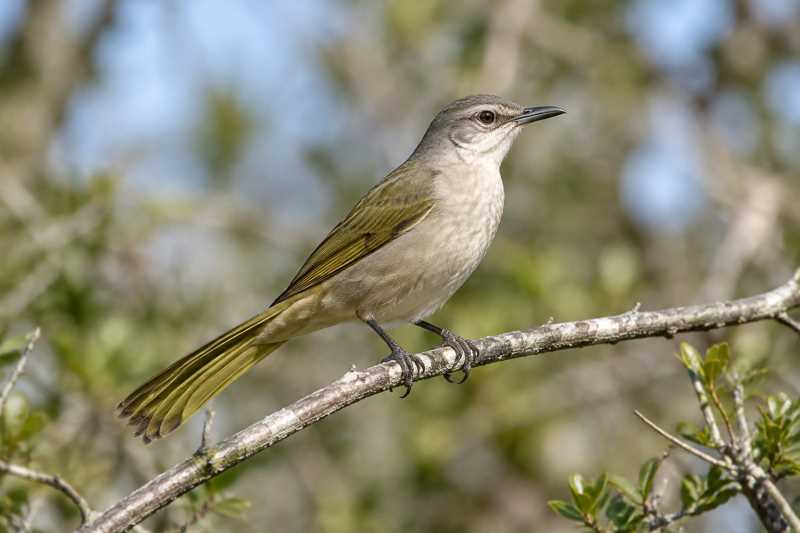
Visually, the Thamnornis is modest yet charming. It sports a predominantly olive-brown plumage on its back and wings, with a lighter, yellowish hue on its underparts. This coloration provides excellent camouflage among the dry, scrubby landscapes it inhabits. The bird measures approximately 14-15 centimeters in length, making it a medium-sized warbler. Its slender bill and rounded wings are well-suited for navigating the dense thickets of its habitat.
Habitat and Distribution
The Thamnornis is endemic to Madagascar, primarily found in the southern and southwestern regions of the island. Its preferred habitats include dry deciduous forests, spiny thickets, and scrublands. These environments, characterized by a mix of thorny shrubs and sparse trees, provide ample foraging opportunities and nesting sites.
Madagascar’s unique geographical isolation has led to a high degree of endemism, with the Thamnornis being a prime example of the island’s distinct avifauna. The bird’s distribution is somewhat fragmented, largely influenced by the availability of suitable habitat patches. Human activities, such as agriculture and deforestation, pose significant threats to these habitats, impacting the bird’s range.
Diet and Foraging Behavior
The Thamnornis is primarily insectivorous, feeding on a diet rich in arthropods. It forages actively within its scrubby habitat, often seen hopping from branch to branch in search of prey. The bird’s slender bill is adept at probing crevices and foliage, allowing it to extract insects and their larvae hidden within.
In addition to insects, the Thamnornis is known to consume small fruits and seeds, particularly during times when insect prey is less abundant. This dietary flexibility helps the species survive in the often harsh and variable conditions of its environment.
Breeding and Social Behavior
Thamnornis are generally monogamous, forming pair bonds that last throughout the breeding season. Their nesting period aligns with the rainy season, when food availability is at its peak. The birds construct cup-shaped nests, typically placed low within dense thickets to shield them from predators.
The female lays a clutch of 2-3 eggs, which she incubates for about two weeks. Both parents are involved in feeding and caring for the chicks, which fledge approximately two weeks after hatching. The cooperative nature of their breeding strategy is vital for the survival of the young in Madagascar’s challenging environments.
Conservation Status and Challenges
The IUCN currently lists the Thamnornis chloropetoides as "Near Threatened." The primary threats to its survival are habitat loss and degradation due to increasing human activities. Agriculture, logging, and land conversion for development are continually encroaching on the bird’s natural habitat, leading to population declines.
Conservation efforts are crucial to ensure the survival of the Thamnornis. Protected areas, such as national parks and reserves, play a significant role in safeguarding its habitat. Moreover, initiatives aimed at promoting sustainable land-use practices and raising awareness about Madagascar’s unique biodiversity are essential components of conservation strategies.
Ecological Significance
As an integral part of Madagascar’s ecosystem, the Thamnornis plays a vital role in maintaining ecological balance. Its foraging activities help control insect populations, while its nesting behavior contributes to seed dispersal and plant regeneration.
Furthermore, the Thamnornis serves as an important indicator species, reflecting the health of its habitat. Monitoring its population trends can provide valuable insights into the broader environmental changes occurring within Madagascar’s unique ecosystems.
Conclusion
The Thamnornis chloropetoides, with its unassuming appearance and vital ecological role, is a testament to the intricate and fragile beauty of Madagascar’s biodiversity. Preserving this species requires concerted efforts in habitat protection, sustainable development, and public education. By safeguarding the Thamnornis, we not only protect a unique avian gem but also contribute to the conservation of one of the world’s most remarkable natural heritage sites.
Related posts