Introduction
The Cape York Mosaic-tailed Rat, scientifically known as Melomys capensis, is an intriguing species of rodent native to Australia. This particular species is a part of the Melomys genus, which is known for its diverse group of mosaic-tailed rats. As its name suggests, the Cape York Mosaic-tailed Rat is predominantly found in the Cape York Peninsula, a remote and ecologically significant area in the northern tip of Queensland, Australia. This article provides a comprehensive overview of this fascinating mammal, covering its physical characteristics, habitat, behavior, and conservation status.
Physical Description
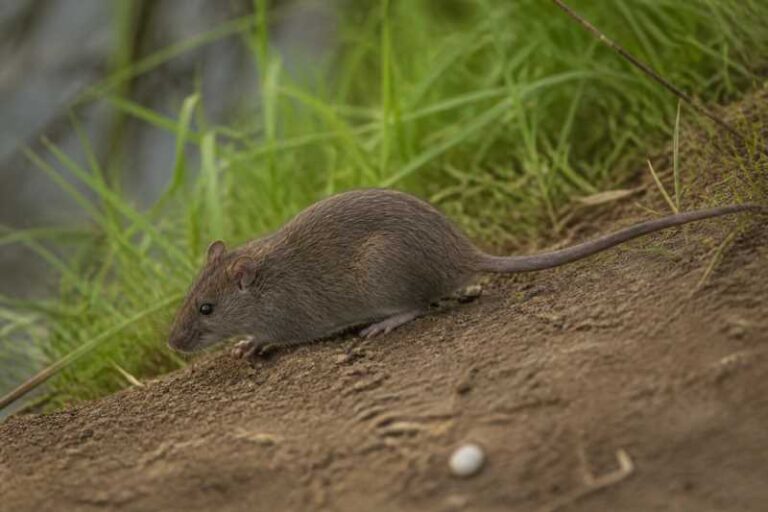
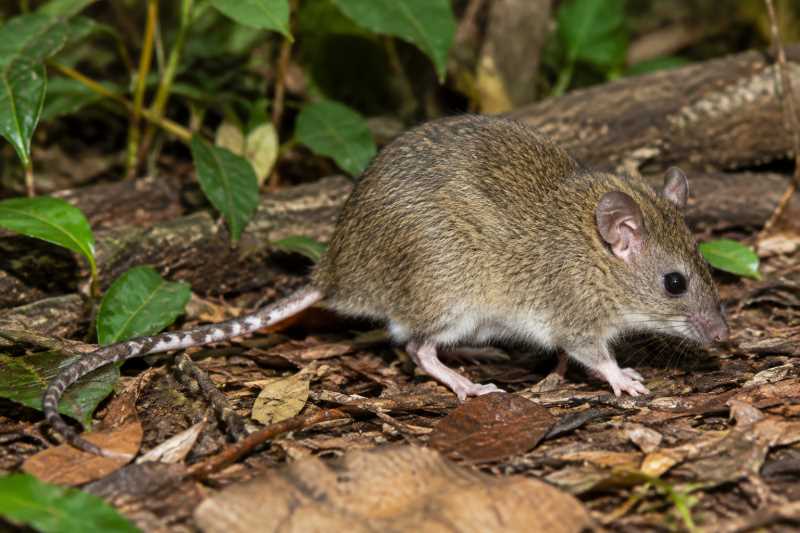
The Cape York Mosaic-tailed Rat is a small to medium-sized rodent with a distinctive appearance that sets it apart from other species. Typically, adults weigh between 60 to 100 grams and measure about 15 to 20 centimeters in body length, with an additional tail length that often equals or slightly exceeds the body length.
The fur of the Cape York Mosaic-tailed Rat is generally soft and dense, with a coloration that ranges from light brown to a darker, more reddish hue on the upper body. The underparts are usually lighter, often white or a pale grey. One of the most distinctive features of this species is its tail, which is covered in small, overlapping scales that create a mosaic-like pattern, hence the name.
The ears are relatively large and rounded, contributing to the rat’s keen sense of hearing. The eyes are also prominent, suggesting that vision plays a significant role in its nocturnal lifestyle.
Range and Habitat
The Cape York Mosaic-tailed Rat is primarily found in the Cape York Peninsula, a region renowned for its unique biodiversity. This region is characterized by a mix of tropical rainforests, eucalyptus woodlands, and coastal mangroves, providing a variety of microhabitats for the species.
These rats are arboreal, meaning they are well adapted to life in the trees. They are often found in dense foliage and are particularly fond of areas that offer ample cover and food sources. The presence of water bodies, such as streams and wetlands, is also a crucial aspect of their preferred habitat, as it ensures the availability of water and a rich diversity of plant life.
Behavior and Diet
Cape York Mosaic-tailed Rats are primarily nocturnal creatures, spending most of their active hours foraging for food and exploring their environment under the cover of darkness. This nocturnal behavior helps them avoid many predators and the intense daytime heat typical of their habitat.
Their diet consists mainly of fruits, seeds, and leaves, though they are known to be opportunistic feeders, occasionally consuming insects and other small invertebrates. This dietary flexibility helps them survive in the variable conditions of the Cape York Peninsula.
Socially, these rats are relatively solitary, with individuals typically occupying their own territories. However, they are not overly aggressive and may tolerate the presence of others, especially during mating seasons.
Identification Tips (Field Recognition Cues)
Identifying the Cape York Mosaic-tailed Rat in the wild can be challenging due to its elusive nature and the dense habitats it occupies. However, there are several key characteristics to look out for:
- Tail Pattern: Look for the distinct mosaic pattern on the tail, which is unique to this genus.
- Fur Coloration: Note the contrast between the dark upper body fur and the lighter underparts.
- Size and Shape: Observe the relatively small size and the rounded shape of the ears and eyes.
- Habitat Preference: Consider the environment; these rats are typically found in areas with dense vegetation and near water sources.
Conservation Status (With Threats and Protections)
The Cape York Mosaic-tailed Rat is currently classified as a species of Least Concern by the International Union for Conservation of Nature (IUCN). Despite this relatively secure status, there are ongoing threats that could impact its populations in the future.
Threats
- Habitat Destruction: Land clearing for agriculture and development poses a significant threat to their natural habitats.
- Invasive Species: Predation by introduced species such as cats and foxes can significantly impact local populations.
- Climate Change: Alterations in weather patterns and increased frequency of extreme weather events threaten the ecosystems these rats depend on.
Protections
Efforts to protect the Cape York Mosaic-tailed Rat primarily focus on habitat conservation. This includes the establishment of protected areas and national parks within the Cape York Peninsula, which safeguard significant portions of their habitat from destruction and disturbance. Additionally, there are ongoing initiatives to control and manage invasive species populations in these regions.
Frequently Asked Questions
Why is this species unique?
The Cape York Mosaic-tailed Rat is unique due to its distinctive tail pattern, arboreal lifestyle, and its adaptation to the diverse ecosystems of the Cape York Peninsula. Its ability to thrive in a variety of habitats, coupled with its nocturnal behavior, makes it a fascinating subject for study.
What do Cape York Mosaic-tailed Rats eat?
These rats primarily consume fruits, seeds, and leaves, but they are opportunistic feeders and will eat insects and other small invertebrates when available. This varied diet allows them to adapt to changes in food availability.
How does climate change affect the Cape York Mosaic-tailed Rat?
Climate change poses a threat through altering weather patterns and increasing the occurrence of extreme weather events, which can disrupt the delicate balance of their ecosystems and lead to habitat loss.
Are there any conservation efforts in place to protect this species?
Yes, conservation efforts are focusing on habitat preservation, the creation of protected areas, and the control of invasive species to ensure the survival of the Cape York Mosaic-tailed Rat and its habitat.
What is the current conservation status of the Cape York Mosaic-tailed Rat?
The species is currently classified as Least Concern by the IUCN, but ongoing monitoring and conservation efforts are essential to prevent potential future declines due to habitat destruction and other threats.
Related posts