The Endangered Alagoas Antwren: A Beacon of Biodiversity in Brazil
Introduction
The Alagoas Antwren (Myrmotherula snowi) is a small, elusive bird that has captured the attention of ornithologists and conservationists alike. Native to Brazil, this species is endemic to the Atlantic Forest, a region known for its rich biodiversity and ecological significance. However, like many species in this region, the Alagoas Antwren faces significant threats that have led to its classification as Critically Endangered on the International Union for Conservation of Nature (IUCN) Red List.
Habitat and Distribution
The Alagoas Antwren is confined to a very limited area within the Atlantic Forest in northeastern Brazil, primarily in the state of Alagoas. This region is part of one of the world’s most threatened biodiversity hotspots, where deforestation and habitat fragmentation have drastically reduced the available habitat for countless species, including the Alagoas Antwren. The bird is typically found in humid, lowland forests, where it inhabits the understory, feeding on insects and other small invertebrates.
Physical Characteristics
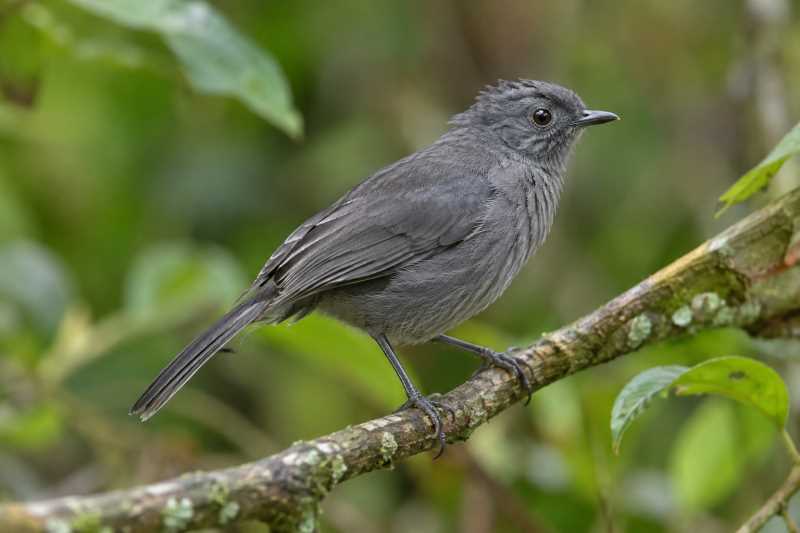
The Alagoas Antwren is a small bird, measuring approximately 12 centimeters in length. It exhibits sexual dimorphism, with males and females having distinct plumage patterns. Males are characterized by their predominantly black and white coloration, with striking white wing bars against a dark background. Females, on the other hand, tend to have a more subdued coloration, with brown and buff tones dominating their plumage. This sexual dimorphism not only aids in mate selection but also plays a role in their survival, as the different colorations provide varying levels of camouflage in their forest environment.
Behavior and Ecology
Alagoas Antwrens are known for their secretive nature, often heard rather than seen, as they move through dense foliage in search of food. They are insectivorous, primarily feeding on a diet of insects and arachnids. Their foraging behavior involves gleaning prey from leaves and twigs, a method that requires agility and precision. The species is typically observed in pairs or small family groups, which is common among antwrens, as these social structures help in cooperative foraging and protection against predators.
Conservation Status
The Alagoas Antwren is listed as Critically Endangered, with its population estimated to be less than 50 mature individuals. The primary threats facing this species are habitat destruction and fragmentation due to agricultural expansion, logging, and urban development. The Atlantic Forest has been reduced to a mere fraction of its original size, with much of the remaining forest existing in small, isolated patches that are insufficient to support viable populations of many species, including the Alagoas Antwren.
Conservation Efforts
Given the dire situation, concerted conservation efforts are crucial to prevent the extinction of the Alagoas Antwren. Initiatives aimed at habitat restoration and protection are underway, with local and international organizations working together to create protected areas and corridors that facilitate the movement and genetic exchange among isolated populations. Additionally, captive breeding programs are being explored as a means to bolster the population and potentially reintroduce individuals into restored habitats.
Education and community involvement are also key components of conservation strategies. Raising awareness about the importance of the Atlantic Forest and its inhabitants can help garner support for sustainable land-use practices that benefit both human and wildlife communities. Engaging local communities in conservation efforts not only empowers them but also ensures that conservation measures are culturally and economically viable.
Conclusion
The Alagoas Antwren serves as a poignant reminder of the fragility of our planet’s biodiversity and the urgent need for conservation action. Protecting this small bird requires a comprehensive approach that addresses the broader issues of habitat destruction and climate change. As stewards of the earth, it is our responsibility to ensure that species like the Alagoas Antwren do not vanish, taking with them the irreplaceable richness of life they represent.
By prioritizing the conservation of the Alagoas Antwren, we not only strive to save a single species but also contribute to the preservation of an entire ecosystem that supports countless forms of life. It is a task that requires dedication, collaboration, and an unwavering commitment to the protection of our natural world.
Related posts