The Little Shearwater: Navigating the Oceans with Grace and Precision
The Little Shearwater, scientifically known as Puffinus assimilis, is a captivating seabird that gracefully navigates the vast oceanic expanses. Known for its agile flight and remarkable adaptability, this bird has fascinated ornithologists and birdwatching enthusiasts alike. In this article, we delve into the intricate details of the Little Shearwater’s life, exploring its habitat, behavior, and the challenges it faces in a rapidly changing world.
Description and Physical Characteristics
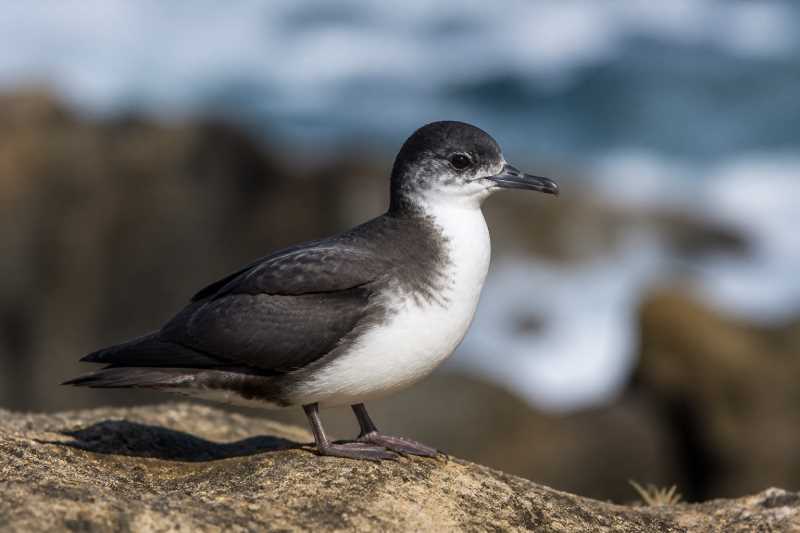
The Little Shearwater is a small, streamlined seabird, typically measuring between 25 to 30 centimeters in length with a wingspan of about 58 to 67 centimeters. It is characterized by its slender body, long wings, and a distinctive bill that is well-suited for its diet of marine prey. The plumage is primarily dark above and white below, a common coloration among seabirds that aids in camouflage from both aerial and underwater predators.
Unlike some of its larger relatives, the Little Shearwater exhibits subtle sexual dimorphism, with males being slightly larger than females. This difference, although minor, can influence mating behaviors and territorial interactions.
Habitat and Distribution
The Little Shearwater is predominantly found in the Southern Hemisphere, with significant populations in the Atlantic, Indian, and Pacific Oceans. They are pelagic birds, spending most of their lives at sea and only coming ashore to breed. Their breeding colonies are located on remote islands, free from many terrestrial predators, with significant populations on islands such as the Azores, Tristan da Cunha, and New Zealand.
These birds prefer nesting in burrows or crevices, often on steep slopes where access for land-based predators is limited. Their choice of breeding sites reflects a remarkable adaptation to minimize predation risks, a key factor in their survival strategy.
Feeding and Foraging Behavior
The diet of the Little Shearwater largely consists of small fish, squid, and various crustaceans. They are adept divers, capable of pursuing prey underwater with agility and speed. Their foraging strategy often involves flying low over the water, using their acute vision to spot potential prey before diving.
They are also known to follow marine predators such as dolphins and large fish, capitalizing on the disturbances these animals create in the water, which can bring prey closer to the surface. This opportunistic feeding behavior highlights their adaptability and intelligence in a dynamic and challenging environment.
Breeding and Reproduction
Little Shearwaters are monogamous birds, often forming long-term pair bonds that last for several breeding seasons. Breeding typically occurs in colonies, which can range from a few pairs to several thousand birds, depending on the location and size of the breeding site.
The breeding season varies by location but generally begins with the return of adults to the colonies in spring. After a period of courtship and nest preparation, females lay a single egg, which both parents incubate. This shared parental investment extends to chick-rearing, where both the male and female take turns foraging at sea and feeding the chick.
Chicks fledge after approximately 60 to 70 days, a period during which they grow rapidly, fueled by the rich diet provided by their parents. Once fledged, young birds will spend several years at sea before returning to the colonies to breed.
Conservation Status and Threats
The Little Shearwater is currently listed as Least Concern by the International Union for Conservation of Nature (IUCN), but like many seabirds, it faces several threats. Habitat degradation, introduced predators, and climate change all pose significant risks to their populations.
On breeding islands, invasive species such as rats and cats can have devastating impacts on eggs and chicks. Conservation efforts often focus on eradicating these predators and restoring native habitats to improve breeding success.
Additionally, climate change impacts, such as changes in sea temperature and food availability, pose long-term challenges. These changes can affect breeding success and survival rates, necessitating ongoing monitoring and adaptive management strategies.
Conclusion
The Little Shearwater is a testament to the resilience and adaptability of seabirds. While they face numerous challenges, their remarkable life history and behaviors offer valuable insights into the complexities of marine ecosystems. Ongoing conservation efforts are crucial to ensuring that these elegant navigators continue to grace our oceans for generations to come.
By understanding and appreciating the intricacies of the Little Shearwater’s life, we can better appreciate the delicate balance of marine ecosystems and the role each species plays within it. As we continue to study and protect these birds, we contribute to the broader effort of preserving the biodiversity that is essential for the health of our planet.
Related posts