
Introduction
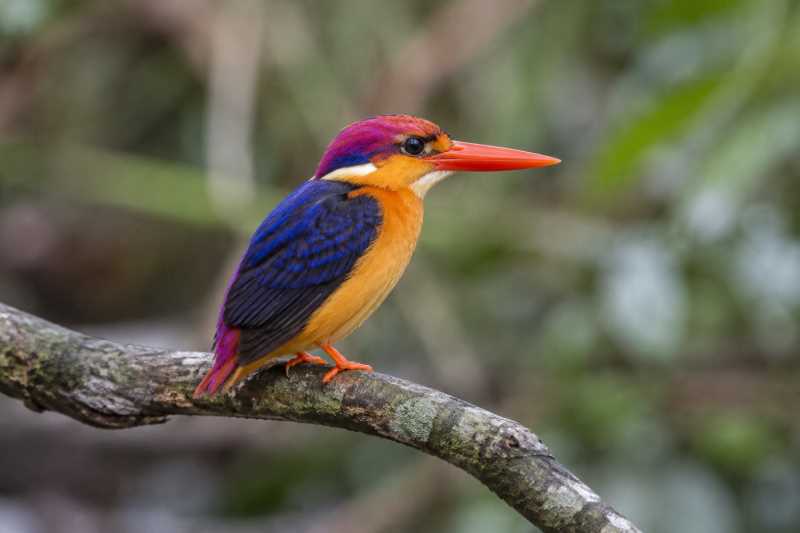
The Black-backed Dwarf Kingfisher (Ceyx erithaca) is a breathtaking avian species that has captured the fascination of birdwatchers and ornithologists alike. Known for its vibrant plumage and diminutive size, this kingfisher is a striking presence in the dense rainforests of Southeast Asia. Often referred to as the Oriental Dwarf Kingfisher, this bird is a jewel of the forest, boasting a palette of colors that rival the most vivid of imaginations.
Habitat and Distribution
The Black-backed Dwarf Kingfisher predominantly inhabits the tropical rainforests of Southeast Asia, with its range extending across India, Sri Lanka, Southeast Asia, and parts of Indonesia. These birds prefer lowland rainforests and are particularly fond of areas close to streams and small water bodies, which provide ample hunting grounds.
This kingfisher is known for its elusive nature, often residing in dense undergrowth where it can be difficult to spot. Despite its bright plumage, its small size and quick movements make it a challenging subject for observation and photography.
Physical Characteristics
The Black-backed Dwarf Kingfisher is celebrated for its stunning plumage. Adults typically measure between 13 to 14 centimeters in length, making it one of the smallest kingfishers. Its back is a striking combination of black and blue, while the wings and tail sport a rich, fiery orange and yellow hue. The underparts are a vibrant orange, and its beak and feet are a bright red, adding to its colorful display.
The bird’s eyes are a deep brown, set against the vivid colors of its feathers, giving it a sharp, inquisitive look that is characteristic of kingfishers. Males and females are similar in appearance, although females may exhibit slightly duller coloring.
Behavior and Diet
Despite its small size, the Black-backed Dwarf Kingfisher is an adept hunter. It primarily feeds on insects, small crustaceans, and occasionally small vertebrates. Their hunting technique involves perching silently on a branch near a waterbody or forest floor, then swooping down swiftly to catch prey with its sharp beak.
These birds are generally solitary, coming together only during the breeding season. Their flight is fast and direct, with rapid wingbeats that make it appear as a blur of color when seen darting through the forest.
Breeding and Nesting
Breeding season for the Black-backed Dwarf Kingfisher typically occurs during the monsoon months, which vary slightly depending on its geographic location. The female lays between three to seven eggs in a burrow dug into the side of a riverbank or a muddy embankment. Both parents take turns incubating the eggs and feeding the chicks once they hatch.
The nesting burrow is an essential aspect of their breeding strategy, protecting the eggs and chicks from potential predators and the harsh elements. The chicks fledge within a month, ready to explore the forest and hone their hunting skills.
Conservation Status and Threats
The Black-backed Dwarf Kingfisher is currently listed as a species of ‘Least Concern’ on the IUCN Red List. However, like many rainforest species, it faces threats from habitat destruction due to deforestation and land conversion for agriculture. The loss of lowland rainforest habitats could pose significant challenges to its population in the future.
Conservation efforts are crucial in maintaining the delicate balance of these ecosystems. Protecting the habitats where these kingfishers thrive ensures the survival of countless other species that share their environment.
Conclusion
The Black-backed Dwarf Kingfisher is a testament to the incredible diversity and beauty found within the world’s rainforests. Its vibrant colors and lively presence serve as a reminder of the intricate ecological webs that sustain life on Earth. By understanding and appreciating such species, we can foster a deeper connection to the natural world and inspire efforts to protect these vital ecosystems for future generations.
Whether you are a seasoned ornithologist or a casual bird enthusiast, encountering the Black-backed Dwarf Kingfisher in its natural habitat is an unforgettable experience. Its jewel-like appearance and spirited nature leave an indelible impression, underscoring the importance of preserving the rich biodiversity of our planet.
Related posts


