Introduction
The Mekong White-bellied Rat, scientifically known as Niviventer mekongis, is a fascinating rodent species found predominantly in Southeast Asia. This lesser-known mammal is part of the Muridae family, which includes mice and rats, and is notable for its distinct white-bellied appearance. The Mekong White-bellied Rat is an integral part of the ecosystem, contributing to seed dispersal and acting as prey for various predators. Despite its ecological significance, this species remains relatively understudied, making it a subject of interest for researchers and wildlife enthusiasts alike.
Physical Description
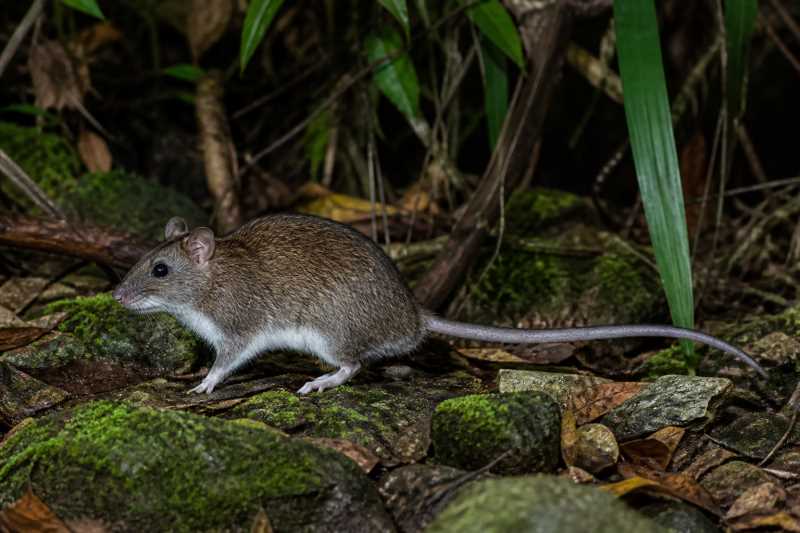
Niviventer mekongis is characterized by its medium size and distinctive coloration. Adult rats typically measure between 15 to 20 centimeters in body length, with a tail that extends slightly beyond the body length, adding another 18 to 25 centimeters. The fur on the dorsal side is a rich brown, providing excellent camouflage against the forest floor, while the ventral side is starkly white, hence the name "White-bellied." This contrast is particularly useful for identification in the field. The ears are small and rounded, and the whiskers are long, aiding in navigation and sensory perception.
The Mekong White-bellied Rat has a pointed snout and large, dark eyes, which are adapted for nocturnal activity. Its limbs are relatively short but strong, equipped with sharp claws that facilitate climbing and foraging.
Range and Habitat
The Mekong White-bellied Rat is predominantly found in the Mekong River basin, which spans several countries, including Cambodia, Laos, Thailand, and Vietnam. This region is characterized by a mix of dense forests, wetlands, and agricultural lands, providing diverse habitats for the species.
This rat prefers tropical and subtropical forests, where it can find ample food sources and shelter. It is also known to inhabit areas near water bodies, taking advantage of the abundant resources these environments offer. The Mekong White-bellied Rat is adaptable and can also be found in secondary forests and near human settlements, where it often forages for food.
Behavior and Diet
The Mekong White-bellied Rat is primarily nocturnal, spending daylight hours in burrows or hidden among dense vegetation. It is a solitary creature, although it may occasionally be seen in pairs during the breeding season. This rat is an adept climber and often forages in trees, where it searches for fruits, seeds, and insects.
Its diet is omnivorous, consisting of a variety of plant materials, small invertebrates, and occasionally small vertebrates. This varied diet allows the rat to thrive in different environments and exploit seasonal food availability.
Identification Tips (Field Recognition Cues)
Identifying the Mekong White-bellied Rat in the field can be challenging due to its nocturnal nature and elusive behavior. However, certain cues can aid in its recognition:
- Coloration: Look for the distinctive white belly contrasted against the brown dorsal side.
- Size and Shape: Note the medium size, elongated body, and long tail.
- Habitat: Search in forested areas near water sources, especially at night.
- Activity Signs: Look for signs of foraging, such as disturbed leaf litter or gnawed seeds.
- Sounds: Listen for rustling in the underbrush during nighttime excursions.
Conservation Status (With Threats and Protections)
The Mekong White-bellied Rat is not currently listed as endangered, but it faces several threats that could impact its population. Habitat loss due to deforestation and agricultural expansion is a significant concern, as it reduces the available living space and food sources for the species. In some regions, hunting and trapping for food or the pet trade also pose threats.
Conservation efforts focus on habitat preservation and restoration. Protected areas within the Mekong River basin offer some refuge for the species, and international collaborations aim to monitor population trends and habitat changes. Raising awareness about the ecological role of the Mekong White-bellied Rat and promoting sustainable land-use practices are crucial steps toward ensuring its long-term survival.
Frequently Asked Questions
What is the primary habitat of the Mekong White-bellied Rat?
The Mekong White-bellied Rat primarily inhabits tropical and subtropical forests within the Mekong River basin. It is often found near water bodies and can adapt to secondary forests and areas near human settlements.
How does the Mekong White-bellied Rat contribute to its ecosystem?
This rat plays a vital role in seed dispersal and acts as prey for various predators, maintaining ecological balance. Its omnivorous diet also helps control insect populations.
What are the main threats to the Mekong White-bellied Rat?
The main threats include habitat loss due to deforestation and agricultural expansion, as well as hunting and trapping for food or the pet trade.
How can the Mekong White-bellied Rat be identified in the wild?
Identifying this rat involves looking for its distinctive white belly, medium size, long tail, and listening for nighttime activity in forested areas near water sources.
Are there any conservation measures in place for the Mekong White-bellied Rat?
Yes, conservation measures include habitat preservation, protected areas within the Mekong River basin, and international collaborations to monitor population trends and promote sustainable land-use practices.
Related posts