
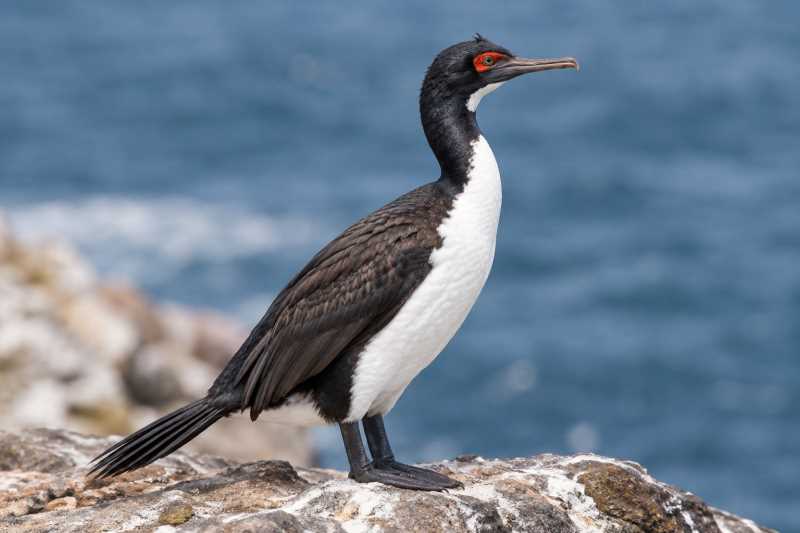
Understanding the Guanay Cormorant: A Vital Contributor to Marine Ecosystems
The Guanay Cormorant (Leucocarbo bougainvilliorum) is a remarkable seabird species that plays a pivotal role in the marine ecosystems of the Pacific coast of South America. Known for its distinctive appearance and ecological significance, this bird is an essential component of the rich biodiversity found in this region. In this article, we delve into the unique characteristics, habitat, behaviors, and conservation status of the Guanay Cormorant, highlighting its importance in maintaining ecological balance.
Physical Characteristics and Identification
The Guanay Cormorant is a medium-sized bird, measuring approximately 68 to 76 cm in length, with a wingspan reaching up to 102 cm. Its plumage is predominantly black, with a striking white patch on its throat and chest that distinguishes it from other cormorant species. The bird’s eyes are vivid green, adding a splash of color to its otherwise monochromatic appearance. During the breeding season, adults develop a distinctive crest on their heads, which enhances their striking visage.
Habitat and Distribution
Primarily found along the coasts of Peru and northern Chile, the Guanay Cormorant inhabits regions characterized by nutrient-rich waters, which support abundant marine life. These areas are largely influenced by the cold Humboldt Current, which brings an upwelling of nutrients from the ocean depths, fostering a thriving marine ecosystem. The bird nests in large colonies on rocky islands and cliffs, where they can be seen in the thousands, creating a spectacular sight along these coastal environments.
Feeding Habits and Diet
The Guanay Cormorant is a proficient diver, capable of reaching depths of up to 30 meters in pursuit of its prey. Its diet primarily consists of small fish, such as anchovies and sardines, which are abundant in the nutrient-rich waters of its habitat. The bird employs a cooperative hunting strategy, often forming large flocks that work together to drive fish towards the surface, making them easier to catch. This communal foraging behavior not only ensures a successful hunt but also strengthens social bonds within the colony.
Reproduction and Life Cycle
Breeding occurs throughout the year, with peaks during the austral summer months. Guanay Cormorants are colonial nesters, constructing their nests from guano, feathers, and other materials found in their environment. The female typically lays two to three eggs, which are incubated by both parents for about a month. Once hatched, the chicks are cared for by both parents and fledge approximately 60 days later. The high density of nests within a colony highlights the importance of social structure and cooperative behavior in the survival of this species.
Ecological Significance
The Guanay Cormorant is an integral part of the marine food web in the Humboldt Current system. As a top predator, it helps regulate fish populations, maintaining a balance that supports the entire ecosystem. Moreover, the bird’s guano is a valuable resource, contributing to the nutrient cycle and enhancing the productivity of coastal ecosystems. Historically, the guano produced by these birds was harvested extensively for use as a natural fertilizer, playing a crucial role in agriculture and economy.
Conservation Status and Threats
Despite its ecological significance, the Guanay Cormorant faces several threats that jeopardize its survival. Overfishing, particularly of anchovies, poses a significant risk by depleting the bird’s primary food source. Climate change also impacts the availability of fish, as altered sea temperatures can disrupt the upwelling process that sustains the rich marine life. Additionally, pollution, habitat destruction, and human disturbance further exacerbate the challenges faced by this species.
Conservation efforts are underway to protect the Guanay Cormorant and its habitat. Establishing marine protected areas and implementing sustainable fishing practices are crucial steps in preserving the delicate balance of the Humboldt Current ecosystem. Educating local communities about the importance of this bird and promoting ecotourism can also support conservation initiatives by providing economic incentives to protect natural habitats.
Conclusion
The Guanay Cormorant is a fascinating and vital component of the marine ecosystems along the Pacific coast of South America. Its role as a top predator and guano producer underscores its ecological importance, while its distinctive appearance and social behaviors make it a species worthy of admiration and study. As we continue to confront environmental challenges, understanding and protecting the Guanay Cormorant is essential for maintaining the biodiversity and health of our oceans.
Through concerted conservation efforts and increased awareness, we can ensure that future generations will continue to witness the awe-inspiring sight of Guanay Cormorants gracing the skies and thriving in their natural habitat.
Related posts


