The Enigmatic White-collared Jay: A Closer Look at Cyanolyca viridicyanus
The White-collared Jay, scientifically known as Cyanolyca viridicyanus, is an intriguing species of bird belonging to the Corvidae family. These striking avians are primarily found in the cloud forests of the Andes, where their vibrant plumage and distinctive calls contribute to the rich tapestry of biodiversity in these environments. This article delves into the various aspects of the White-collared Jay, from its habitat and behavior to its conservation status and cultural significance.
Habitat and Distribution
The White-collared Jay inhabits the montane forests and cloud forests of the Andes, primarily in countries such as Colombia, Ecuador, and Peru. These regions are characterized by high humidity, dense vegetation, and a wide range of altitudes, providing the perfect environment for the White-collared Jay to thrive. The species is typically found at elevations ranging from 1,800 to 3,500 meters, where it can take advantage of the rich array of flora and fauna.
The cloud forests of the Andes are renowned for their biodiversity, hosting an exceptional variety of plant and animal species. The White-collared Jay plays a vital role in this ecosystem, contributing to seed dispersion and the propagation of various plant species. These forests, however, are under threat from human activities such as deforestation and agriculture, which pose significant challenges to the survival of the White-collared Jay and other endemic species.
Physical Characteristics
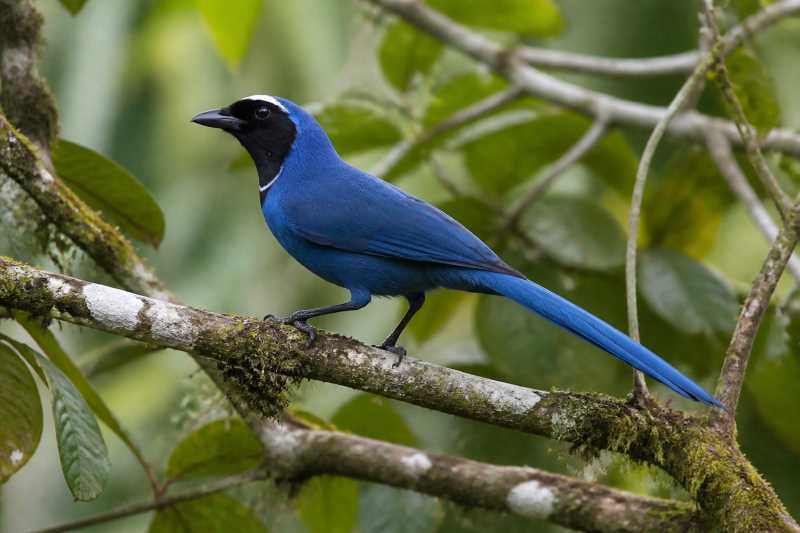
The White-collared Jay is a medium-sized bird, with a length ranging from 29 to 34 centimeters and a wingspan that can reach up to 50 centimeters. Its most distinctive feature is its striking plumage, which includes a vibrant blue body contrasted with a white collar encircling its neck. The head is capped with a darker blue or black crown, and the eyes are surrounded by a black mask, adding to its charismatic appearance.
These birds are sexually monomorphic, meaning that males and females share similar physical characteristics, making it challenging to differentiate between the sexes based solely on appearance. Their robust bill and strong legs are well-suited for their omnivorous diet, which includes a variety of fruits, insects, and small vertebrates.
Behavior and Diet
White-collared Jays are social birds, often observed in small family groups or mixed-species flocks. These groups engage in cooperative feeding and vigilance, enhancing their ability to find food and avoid predators. Their vocalizations are diverse and can include a range of calls, from melodious whistles to harsh caws, which are used for communication and territory defense.
The diet of the White-collared Jay is omnivorous, comprising fruits, seeds, insects, and occasionally small vertebrates. This diverse diet allows them to adapt to the seasonal availability of food resources in their mountainous habitats. Their role as seed dispersers is particularly important, as it aids in the regeneration of the forest ecosystem and the maintenance of plant diversity.
Reproduction and Lifespan
The breeding season for White-collared Jays typically occurs during the wetter months, when food resources are abundant. These birds are monogamous, forming long-term pair bonds that last for several breeding seasons. The female is primarily responsible for incubating the eggs, while the male assists in feeding and protecting the nest.
Nests are usually constructed in trees or dense shrubs, providing shelter and protection from predators. The clutch size ranges from two to four eggs, which are incubated for approximately 18 to 20 days. Once hatched, the chicks are altricial, meaning they are born relatively undeveloped and require extensive parental care. Both parents participate in feeding the chicks until they fledge, which occurs around three to four weeks after hatching.
The lifespan of a White-collared Jay in the wild is not well-documented, but like many corvids, they are likely to be long-lived birds, potentially reaching up to 10 years or more under favorable conditions.
Conservation Status
Currently, the White-collared Jay is classified as "Least Concern" by the International Union for Conservation of Nature (IUCN). However, the species faces several threats that could impact its population numbers in the future. Habitat loss due to deforestation and agricultural expansion remains the most significant threat, leading to fragmentation and degradation of their natural habitats.
Conservation efforts are crucial to ensure the survival of the White-collared Jay and other species that share its habitat. Protecting the cloud forests of the Andes through the establishment of protected areas and sustainable land-use practices is essential. Additionally, raising awareness about the importance of these ecosystems and their inhabitants can help garner support for conservation initiatives.
Cultural Significance
In many indigenous cultures of the Andes, birds like the White-collared Jay hold cultural significance, often symbolizing elements of nature and serving as important figures in folklore and mythology. Their presence in these communities underscores the need to preserve not only the biodiversity of these regions but also the cultural heritage that is intrinsically linked to the natural world.
Conclusion
The White-collared Jay is a remarkable species that embodies the vibrant biodiversity of the Andean cloud forests. Its striking appearance, social behavior, and ecological role make it a fascinating subject of study for ornithologists and bird enthusiasts alike. Despite facing challenges from habitat destruction and environmental changes, the White-collared Jay’s adaptability and resilience offer hope for its continued survival.
By fostering a deeper understanding of this species and promoting conservation efforts, we can help ensure that the White-collared Jay continues to grace the cloud forests of the Andes for generations to come.
Related posts