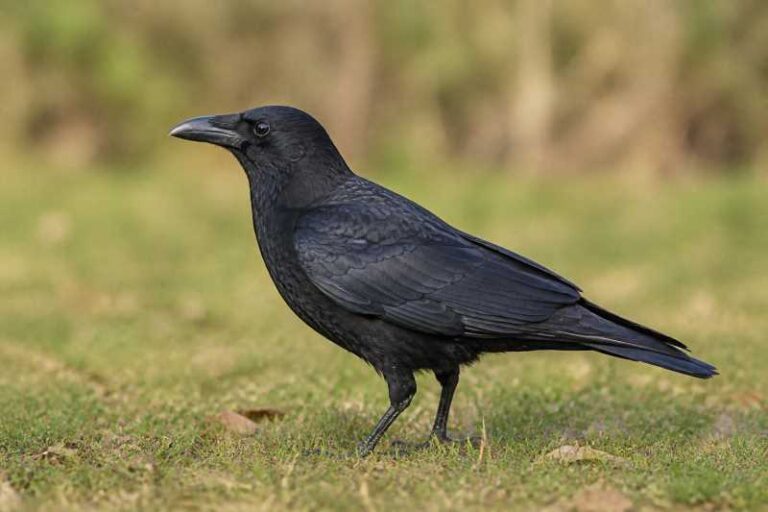
Abdim’s Stork: A Unique Resident of the African Savannas
The African continent, with its vast and diverse ecosystems, is home to an array of fascinating wildlife species. Among these is the Abdim’s Stork (Ciconia abdimii), a bird that is not only intriguing due to its behaviors and migratory patterns but also due to its role in African folklore and ecosystems. This article delves into the characteristics, habitat, and conservation status of this remarkable bird.
Physical Characteristics
Abdim’s Stork, named after the 19th-century Governor of Wadi Halfa, Bey El-Arnaut Abdim, is the smallest of the stork family. It measures about 73 cm (29 inches) in length and has a wingspan of approximately 145 cm (57 inches). The stork’s plumage is predominantly glossy black with a hint of blue and green iridescence, especially on the wings. This striking coloration is contrasted by its white underparts and the distinctive red facial skin, which turns blue during the breeding season, with a greenish patch near the eyes.
The stork’s legs are long and grayish, designed to wade through water and tall grasses, while its sharp, pointed bill is ideal for catching a variety of prey. These physical adaptations make the Abdim’s Stork a proficient hunter and forager in its natural habitat.
Habitat and Distribution
Abdim’s Stork is predominantly found in the sub-Saharan region, from the Sahel to southern Africa. It favors open habitats like savannas, grasslands, and agricultural lands, often seen around water bodies such as rivers, lakes, and marshes. During the breeding season, which coincides with the rainy season in Africa (from August to December in the north and from November to April in the south), these storks migrate to their breeding grounds.
The migration of Abdim’s Stork is one of the most remarkable aspects of this species. They undertake long journeys from their non-breeding grounds in eastern and southern Africa to breeding sites across a vast range, reaching as far north as Sudan and Ethiopia. This migration is not only a testament to their endurance but also plays a critical role in the dispersal of the species across the continent.
Diet and Feeding Behavior
Abdim’s Stork primarily feeds on a diet of insects, especially grasshoppers, locusts, and caterpillars, which are abundant in their habitat. They are also known to eat small reptiles, amphibians, and even small mammals if the opportunity arises. Their feeding behavior is opportunistic, often seen following plows or fires to catch insects disturbed by these activities.
This diet not only supports their nutritional needs but also positions them as important biological control agents, helping to manage insect populations that could otherwise become pests.
Breeding and Social Behavior
During the breeding season, Abdim’s Storks become highly social, gathering in large colonies that can number in the thousands. These colonies are often established near water sources and in areas with ample food supply. The birds build their nests using sticks and twigs, usually on cliffs, in trees, or man-made structures.
Both parents share responsibilities in raising the young, taking turns incubating the eggs and feeding the chicks. This cooperative breeding strategy increases the chances of survival for their offspring, as both parents can provide protection and sustenance.
Conservation Status
Currently, the Abdim’s Stork is classified as Least Concern by the International Union for Conservation of Nature (IUCN). This status reflects their wide distribution and stable population trends. However, like many wildlife species, they face threats from habitat destruction, climate change, and human disturbances.
The conversion of grasslands and savannas into agricultural lands can reduce their available habitat, while changes in weather patterns due to climate change can affect their breeding success and migration patterns. Conservation efforts are focused on preserving their habitats and monitoring population trends to ensure their continued stability.
Cultural Significance
In many African cultures, the arrival of Abdim’s Storks is seen as a harbinger of the rainy season, bringing hope and renewal to agricultural communities. This cultural symbolism underscores the close relationship between wildlife and human societies in Africa, highlighting the importance of conserving these birds not only for ecological reasons but also for cultural heritage.
Conclusion
Abdim’s Stork is a unique and vital part of the African ecosystem. Its role as an insect predator, its fascinating migratory patterns, and its cultural significance make it a species worthy of attention and conservation. By understanding and protecting the habitats of these storks, we ensure the preservation of biodiversity and the ecological balance of the regions they inhabit.
This is one of the species covered in one of the books in our Kings Birds of the world series, Storks Of The World.

Related posts