Prigogine’s Double-collared Sunbird: A Jewel of the Albertine Rift
In the lush montane forests of the Albertine Rift, a vibrant jewel flits among the foliage, its iridescent plumage catching the light with every movement. Known as Prigogine’s Double-collared Sunbird (Cinnyris prigoginei), this avian gem is a testament to the region’s rich biodiversity and the intricate web of life that thrives in these highland ecosystems. Named in honor of the Belgian ornithologist Alexandre Prigogine, this sunbird species is not only a marvel of nature but also a focal point for conservationists striving to preserve the delicate balance of its habitat.
Habitat and Distribution
Prigogine’s Double-collared Sunbird is endemic to the Albertine Rift, a biodiversity hotspot that stretches across parts of Uganda, Rwanda, Burundi, and the Democratic Republic of Congo. This region is characterized by its rugged terrain, high altitudes, and a mosaic of habitats ranging from bamboo forests to moorlands. The sunbird is primarily found in montane forests, where it occupies elevations between 2,100 and 3,000 meters.
The Albertine Rift is a part of the larger East African Rift system and hosts some of the most diverse and unique flora and fauna on the continent. The presence of this sunbird species highlights the ecological significance of the region, underscoring the need for conservation efforts to protect these vital ecosystems from threats such as deforestation, agricultural encroachment, and climate change.
Physical Characteristics
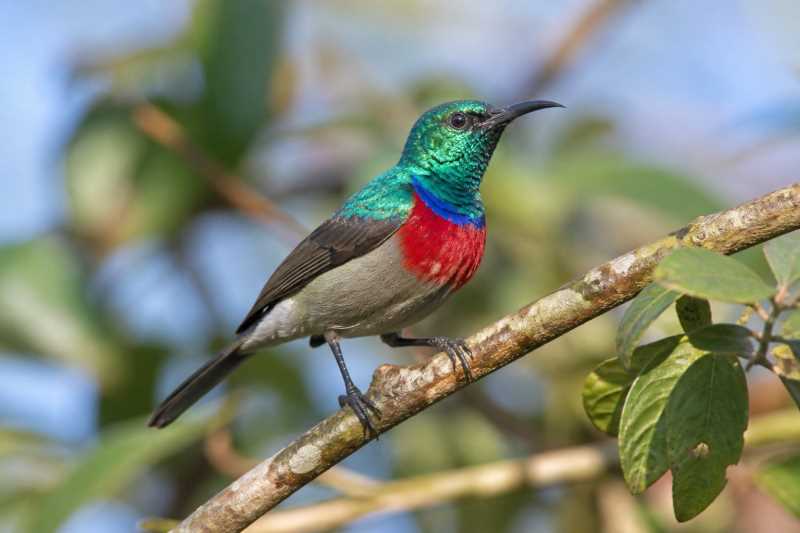
Prigogine’s Double-collared Sunbird is a small, vibrant bird measuring approximately 11-12 centimeters in length. Its most striking feature is its vivid plumage, which serves both aesthetic and functional purposes. Males are adorned with a metallic green head and upperparts, a bright red breast band, and a distinctive blue band that separates the red from the metallic green. Females, while less colorful, exhibit an elegant combination of olive-green upperparts and a pale yellow underside, which provides camouflage among the foliage.
The species is equipped with a slender, curved bill, perfectly adapted for accessing nectar from a variety of flowering plants. This adaptation not only facilitates the bird’s feeding habits but also plays a crucial role in pollination, making the sunbird an essential component of its ecosystem.
Behavior and Diet
Like other sunbirds, Prigogine’s Double-collared Sunbird is primarily nectarivorous, relying on the rich nectar of flowering plants as its main food source. However, it also supplements its diet with small insects and spiders, which provide essential proteins and nutrients. This dietary flexibility allows the sunbird to thrive in its montane forest habitat, where food availability may fluctuate with the seasons.
The sunbird is known for its acrobatic flight patterns, often hovering like a hummingbird as it feeds on nectar. This behavior not only aids in energy conservation but also enhances its ability to maneuver through dense vegetation. During breeding season, males engage in elaborate displays to attract mates, showcasing their vibrant plumage and performing aerial acrobatics.
Conservation Status
The IUCN Red List currently classifies Prigogine’s Double-collared Sunbird as Near Threatened, primarily due to habitat loss and fragmentation. The Albertine Rift region, while rich in biodiversity, faces significant environmental pressures from human activities. Logging, agriculture, and infrastructure development pose ongoing threats to the sunbird’s habitat, leading to a decline in suitable breeding and feeding grounds.
Conservationists emphasize the importance of protecting the montane forests and implementing sustainable land-use practices to mitigate these threats. Efforts are underway to establish protected areas and promote community-based conservation initiatives that involve local communities in preserving their natural heritage.
Importance of Conservation
The conservation of Prigogine’s Double-collared Sunbird is not just about preserving a single species; it represents a broader commitment to safeguarding the intricate ecosystems of the Albertine Rift. Protecting this sunbird also means conserving the myriad plant species it pollinates, the insects it controls, and the complex ecological interactions it supports.
Moreover, the sunbird serves as an indicator species, reflecting the overall health of its habitat. By monitoring its population trends and distribution, scientists can gain valuable insights into the impacts of environmental changes, guiding conservation strategies and policy decisions.
Conclusion
Prigogine’s Double-collared Sunbird is a vibrant symbol of the Albertine Rift’s unique biodiversity. Its survival hinges on our collective efforts to preserve its habitat and address the challenges posed by human activities. By valuing and protecting this species, we contribute to the broader goal of conserving the planet’s natural treasures for future generations to admire and cherish.
As we continue to explore and document the wonders of the natural world, Prigogine’s Double-collared Sunbird reminds us of the beauty and fragility of life on Earth, urging us to act as stewards of the environment and champions of conservation.
Related posts