Exploring the Cave Swallow: A Remarkable Avian Species
The Cave Swallow (Petrochelidon fulva) is an intriguing bird species that has captured the attention of ornithologists and bird enthusiasts alike. Known for its distinctive nesting habits and adaptability, this bird has a fascinating life history and ecological significance. In this article, we will delve into the world of the Cave Swallow, exploring its taxonomy, physical characteristics, habitat, behavior, and conservation status.
Taxonomy and Classification
The Cave Swallow belongs to the family Hirundinidae, which includes other swallows and martins. Within the genus Petrochelidon, the Cave Swallow is closely related to the Cliff Swallow (Petrochelidon pyrrhonota). There are several subspecies of Cave Swallows, each with subtle morphological differences and varying geographical ranges. The primary subspecies include P. f. fulva, P. f. pallida, and P. f. cavicola.
Physical Characteristics
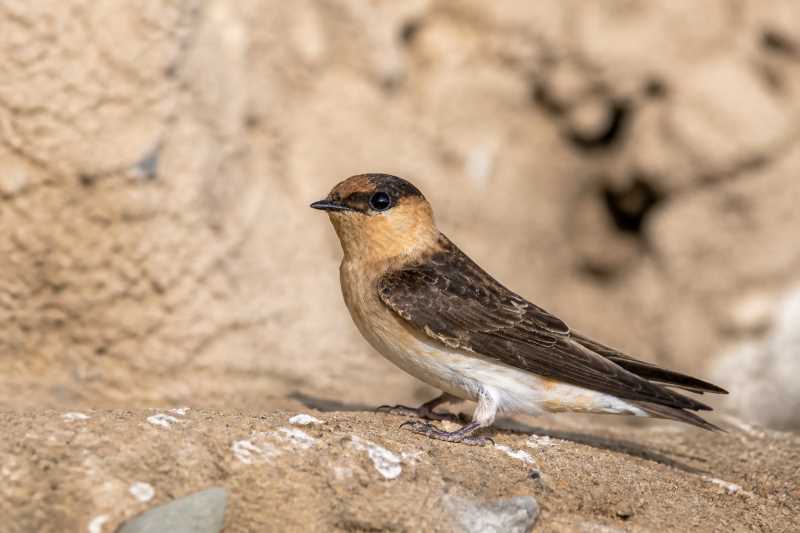
Cave Swallows are small to medium-sized birds, measuring approximately 12-14 cm in length with a wingspan of about 30-32 cm. They have a stocky build and exhibit a distinctive appearance, characterized by their blue-gray upperparts and pale, cinnamon-colored underparts. One of their most striking features is their rufous forehead and throat, which contrast with their darker crown and back. The tail is relatively short and square, lacking the deeply forked tail seen in other swallow species.
Habitat and Distribution
Cave Swallows are primarily found in the Americas, with their range extending from the southern United States through Mexico and into parts of Central America and the Caribbean. As their name suggests, these birds are typically associated with caves, where they often build their nests. However, they have also adapted to nesting in a variety of man-made structures, such as highway culverts, bridges, and buildings.
The adaptability of the Cave Swallow to different nesting sites has allowed them to expand their range northward in recent decades. Many populations are migratory, with northern populations moving southward during the winter months.
Behavior and Diet
Cave Swallows are highly social birds, often seen in flocks both during foraging and roosting. They are aerial insectivores, feeding primarily on flying insects such as flies, beetles, and ants. The birds catch their prey mid-flight, showcasing impressive agility and speed.
Breeding typically occurs in colonies, which can range from a few pairs to several hundred nests in a single location. The nest is a cup-shaped structure made of mud and lined with grass and feathers. Both male and female Cave Swallows participate in nest building, incubation, and feeding of the young.
Vocalizations
The vocalizations of the Cave Swallow are a series of soft, twittering calls and songs. These calls are used for communication within flocks and during courtship. While not as melodic as some songbirds, the calls of the Cave Swallow are essential for maintaining social bonds and coordinating group activities.
Conservation Status
The Cave Swallow is currently listed as a species of Least Concern by the International Union for Conservation of Nature (IUCN). This classification reflects the bird’s large range and stable population trends. However, like many wildlife species, Cave Swallows face potential threats from habitat destruction, climate change, and human disturbance.
The expansion of urban areas and agriculture can lead to the loss of natural habitats. Moreover, changes in climate patterns could impact the availability of insect prey and suitable nesting sites. Conservation efforts aimed at preserving natural habitats and mitigating human impacts are essential for ensuring the long-term survival of this species.
Cultural and Ecological Significance
Beyond their ecological role as insectivores, Cave Swallows hold cultural significance in various regions. In some communities, they are considered harbingers of spring, signaling the arrival of warmer weather. Their presence can also indicate healthy ecosystems, as they depend on abundant insect populations for food.
In conclusion, the Cave Swallow is a remarkable species that exemplifies adaptability and resilience. Its ability to thrive in both natural and urban environments highlights the importance of understanding and conserving avian biodiversity. As we continue to study and appreciate these birds, we gain valuable insights into the complexities of ecosystems and the delicate balance of nature.
Related posts