The Enigmatic Hangnest Tody-Tyrant: A Closer Look at Hemitriccus nidipendulus
The avian world is replete with wonders, from the majestic sweep of the albatross’s wings to the vibrant plumage of the parrots. Yet, among these remarkable creatures, some remain relatively obscure, quietly enchanting those who take the time to notice them. One such bird is the Hangnest Tody-Tyrant, scientifically known as Hemitriccus nidipendulus. This diminutive bird, often overshadowed by its more flamboyant relatives, offers a rich tapestry of behaviors and adaptations that make it an intriguing subject for ornithologists and bird enthusiasts alike.
Taxonomy and Description
The Hangnest Tody-Tyrant belongs to the family Tyrannidae, a diverse group of passerine birds commonly referred to as tyrant flycatchers. Within this family, the genus Hemitriccus includes several small, insectivorous birds, but the Hangnest Tody-Tyrant stands out due to its unique nesting habits and distinctive vocalizations.
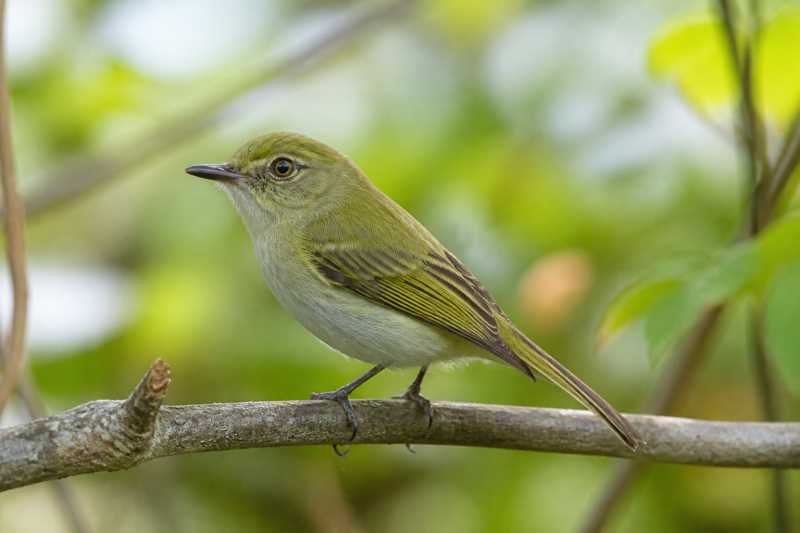
Measuring approximately 10 to 12 cm in length, the Hangnest Tody-Tyrant is a small bird with subtle yet charming plumage. Its upperparts are generally olive-green, while the underparts are paler, often with a yellowish hue. The bird’s crown is typically darker, providing a gentle contrast to its otherwise muted tones. Despite its inconspicuous appearance, the Hangnest Tody-Tyrant captivates with its expressive eyes and agile movements.
Habitat and Distribution
Native to South America, the Hangnest Tody-Tyrant is primarily found in the Atlantic Forest, a biodiversity hotspot that stretches along the eastern coast of Brazil. This lush, humid forest is home to many endemic species, and the Hangnest Tody-Tyrant is no exception. The bird favors the dense understory of these forests, where it can be found flitting among the foliage in search of insects.
The region’s rapid deforestation poses a significant threat to the Hangnest Tody-Tyrant’s habitat. Agricultural expansion, urbanization, and logging have drastically reduced the forest cover, placing immense pressure on the species’ survival. Conservation efforts are crucial to preserving the remaining tracts of the Atlantic Forest and ensuring the continued existence of this charming bird.
Behavioral Characteristics and Ecology
The Hangnest Tody-Tyrant is best known for its distinctive nesting behavior, which is reflected in its name. The bird constructs a pendulous nest, often resembling a small pouch, suspended from a thin branch or vine. These nests are typically built from plant fibers, moss, and spider silk, providing a secure and camouflaged environment for the eggs and chicks.
The nesting season usually coincides with the onset of the rainy season, when food resources are abundant. The female lays two to three eggs, which are incubated for about two weeks. Both parents share the responsibility of feeding the chicks, which fledge approximately two weeks after hatching.
In terms of diet, the Hangnest Tody-Tyrant primarily feeds on small insects and arthropods. Its foraging strategy involves short, agile flights, often accompanied by quick, darting movements through the foliage. This method allows the bird to capture prey with remarkable efficiency.
Vocalizations and Communication
While the Hangnest Tody-Tyrant may not boast the most flamboyant plumage, it more than compensates with its vocal prowess. The bird’s song is a series of high-pitched notes, often described as a rapid "tsee-tsee-tsee," which it uses to communicate with potential mates and establish territory. These vocalizations are particularly important during the breeding season, serving as both a mating call and a warning to rival males.
The bird’s calls are an integral part of its identity, helping it navigate the dense forest environment. Researchers have noted that the Hangnest Tody-Tyrant’s vocalizations can vary slightly between individuals, suggesting a level of complexity and individuality in its communication.
Conservation Status and Challenges
The International Union for Conservation of Nature (IUCN) currently lists the Hangnest Tody-Tyrant as a species of "Least Concern." However, this designation does not mean the bird is free from threats. The ongoing destruction of the Atlantic Forest remains a significant challenge, as habitat loss continues to impact the species’ populations.
Conservationists emphasize the importance of protecting the Atlantic Forest, not only for the Hangnest Tody-Tyrant but also for the myriad other species that call this region home. Initiatives such as reforestation programs, the establishment of protected areas, and sustainable land-use practices are vital to preserving this critical habitat.
Conclusion
The Hangnest Tody-Tyrant may not be the most ostentatious bird in the forest, but its subtle beauty and fascinating behaviors make it a worthy subject of study and admiration. As with many species in the Atlantic Forest, its future hinges on the success of conservation efforts aimed at preserving its habitat. By understanding and protecting the intricate web of life within these ecosystems, we not only safeguard the Hangnest Tody-Tyrant but also contribute to the broader goal of biodiversity conservation.
In celebrating the quiet elegance of the Hangnest Tody-Tyrant, we are reminded of the countless wonders that nature holds, even in the smallest and most unassuming forms of life. This bird, with its delicate nest and melodious song, serves as a testament to the intricate beauty of the natural world, urging us to cherish and protect the habitats that sustain such extraordinary diversity.
Related posts