The Island Scrub-Jay: A Unique Avian Gem of Santa Cruz Island
The Island Scrub-Jay (Aphelocoma insularis) holds a special place in the avian world as one of North America’s rarest and most geographically restricted bird species. Found exclusively on Santa Cruz Island, part of California’s Channel Islands, this bird species offers a fascinating glimpse into the dynamics of island ecosystems and the challenges they face in the modern era.
A Brief Overview of the Island Scrub-Jay
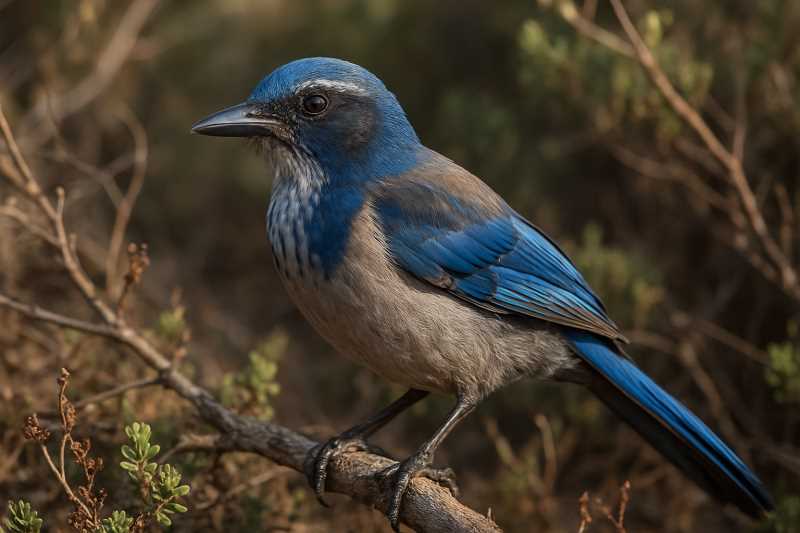
The Island Scrub-Jay is a striking bird, slightly larger than its mainland cousin, the California Scrub-Jay. With a robust body, vivid blue plumage, and a distinctive white throat, it is a visually captivating bird. Its bill is notably more substantial than that of its mainland relatives, an adaptation likely influenced by the unique ecological pressures of island life.
The species was first described in 1886, and since then, it has become an emblem of the Channel Islands’ unique biodiversity. Its restricted range, limited solely to Santa Cruz Island, makes it particularly vulnerable to environmental changes and anthropogenic threats.
Habitat and Behavior
Santa Cruz Island provides a diverse range of habitats for the Island Scrub-Jay, including oak woodlands, chaparral, and pine forests. These birds are non-migratory, meaning they spend their entire lives on the island. Their home range is relatively small, which further emphasizes their dependence on the island’s ecosystem for survival.
Island Scrub-Jays are omnivorous, with a diet that includes insects, fruits, seeds, and small animals. They are also known for their acorn caching behavior, similar to other jay species. This not only provides them with a food source during leaner months but also contributes to the dispersal and germination of oak trees, playing a crucial role in the island’s ecology.
Socially, these jays are known for their intelligence and complex social behaviors. They engage in cooperative breeding, where offspring from previous years help raise new chicks. This cooperative behavior is thought to be an adaptation to the island’s limited resources, ensuring the survival of their kin.
Conservation Challenges
The Island Scrub-Jay faces several conservation challenges, primarily due to its restricted habitat. Being confined to a single island makes the species particularly susceptible to environmental changes. Climate change poses a significant threat, with potential impacts on the island’s vegetation and the bird’s food sources.
Additionally, the threat of diseases like West Nile virus is a major concern. The introduction of such diseases could have catastrophic effects on the population, given their limited geographic range and small population size. Efforts are underway to monitor and mitigate these risks, including vaccination trials and habitat management.
Human activity also poses indirect threats through habitat degradation. Invasive species, introduced by humans, can alter the island’s ecosystem, potentially disrupting the food web and competing with the jays for resources.
Conservation Efforts
Conservationists have recognized the importance of protecting the Island Scrub-Jay and have undertaken various initiatives to ensure its survival. The Nature Conservancy and the National Park Service, which manage Santa Cruz Island, have implemented habitat restoration programs aimed at preserving the island’s native vegetation.
Efforts to remove invasive species have been partly successful, allowing the native flora and fauna to reclaim their natural habitats. This has a direct positive impact on the Island Scrub-Jay, ensuring that its food sources and nesting areas remain intact.
Public education and awareness campaigns have also been crucial in garnering support for conservation efforts. By highlighting the bird’s unique status and the ecological significance of Santa Cruz Island, conservationists hope to encourage more sustainable interaction with the island’s natural resources.
The Future of the Island Scrub-Jay
The future of the Island Scrub-Jay hinges on continued and enhanced conservation efforts. As climate change and human influence continue to pose threats, adaptive management strategies will be essential. This includes ongoing research to better understand the species’ ecology and the factors influencing its survival.
Collaboration between conservation organizations, government agencies, and the public will be vital in addressing the multifaceted threats to the Island Scrub-Jay. By fostering a collective commitment to preserving this unique bird and its habitat, there is hope that future generations will also have the opportunity to witness the vibrant blue flash of the Island Scrub-Jay across Santa Cruz Island.
In conclusion, the Island Scrub-Jay is more than just an avian rarity; it is a symbol of the delicate balance of island ecosystems and the importance of proactive conservation efforts. Protecting this species and its habitat ensures the preservation of the rich biodiversity that defines Santa Cruz Island and provides a blueprint for safeguarding other isolated and endangered species worldwide.
Related posts