Introduction
Eisentraut’s Serotine, scientifically known as Afropipistrellus eisentrauti, is a fascinating species of bat belonging to the family Vespertilionidae. This bat species, though not widely recognized, plays a crucial role in the ecosystems it inhabits. Named after the German zoologist Martin Eisentraut, the Eisentraut’s Serotine exhibits unique characteristics that distinguish it from other bat species. This article delves into the various aspects of this intriguing mammal, including its physical description, habitat, behavior, and conservation status.
Physical Description
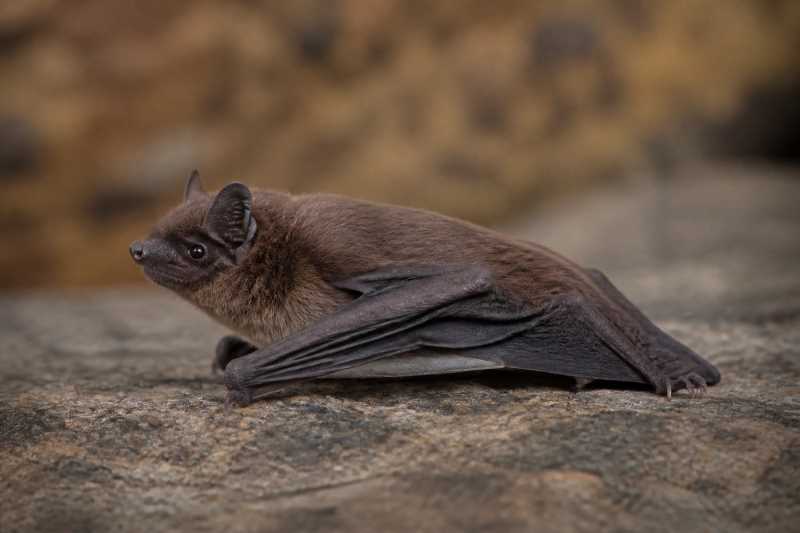
Eisentraut’s Serotine is a relatively small bat, with an average wingspan ranging from 25 to 30 centimeters and a body length of about 4 to 5 centimeters. It weighs approximately 5 to 8 grams, making it one of the more diminutive members of the Vespertilionidae family. This bat is characterized by its dark brown to black fur, which provides excellent camouflage in its natural environment. The fur on its underside tends to be slightly lighter, ranging from a pale brown to a creamy white.
One of the most distinctive features of Eisentraut’s Serotine is its rounded ears, which are moderately large compared to its head size. These ears are crucial for echolocation, allowing the bat to navigate and hunt in the dark. The face is relatively plain with a short muzzle, and its eyes are small but adapted for low-light conditions. The tail, which is partially enclosed within the interfemoral membrane, aids in maneuverability during flight.
Range and Habitat
Eisentraut’s Serotine is primarily found in sub-Saharan Africa, with a range that extends through countries such as Cameroon, Nigeria, Gabon, and the Democratic Republic of the Congo. This species is adapted to a variety of habitats, including tropical and subtropical forests, savannas, and even rural agricultural areas where they can find ample food sources.
These bats are often found roosting in tree cavities, under bark, or in small crevices in rocks. They prefer environments that offer plenty of cover from predators and harsh weather conditions. The availability of water bodies is also a significant factor in their habitat selection, as these areas provide abundant insect prey.
Behavior and Diet
Eisentraut’s Serotine is a nocturnal species, primarily active during the night when it emerges from its roost to hunt. It is an insectivorous bat, feeding on a variety of insects including moths, beetles, and flying ants. The bat employs echolocation to detect and capture its prey, emitting high-frequency sounds that bounce off objects and return as echoes, allowing it to construct a mental map of its surroundings.
These bats are known for their agile flight, which enables them to navigate through dense foliage and capture prey mid-flight. They are solitary hunters but may roost in small groups during the day. Eisentraut’s Serotine is also known for its seasonal movements, which are often dictated by the availability of food and suitable roosting sites.
Identification Tips (Field Recognition Cues)
Identifying Eisentraut’s Serotine in the field can be challenging due to its small size and nocturnal habits. However, there are several cues that can aid in its identification:
- Size and Shape: Look for a small bat with a relatively broad wingspan and rounded ears.
- Coloration: Note the dark brown to black fur with lighter underparts.
- Flight Pattern: Observe its agile and erratic flight, typical of insectivorous bats hunting for food.
- Echolocation Calls: Use a bat detector to pick up the high-frequency echolocation calls, which are distinct to this species.
Conservation Status (with Threats and Protections)
The conservation status of Eisentraut’s Serotine is currently listed as Data Deficient by the International Union for Conservation of Nature (IUCN). This classification indicates that there is insufficient information available to make a direct or indirect assessment of its risk of extinction. However, like many bat species, Eisentraut’s Serotine faces several threats that could impact its population.
Threats
- Habitat Loss: Deforestation and land conversion for agriculture and urban development pose significant threats to its natural habitat.
- Pesticides: The use of chemical pesticides in agriculture reduces the availability of insect prey and can also lead to poisoning of the bats themselves.
- Climate Change: Alterations in climate patterns can affect the availability of food and suitable roosting sites.
Protections
Efforts to conserve Eisentraut’s Serotine include habitat preservation and restoration initiatives. Protected areas and national parks within its range provide some level of security against habitat destruction. Further research and monitoring are essential to better understand the population dynamics and ecological requirements of this species, which can inform more effective conservation strategies.
Frequently Asked Questions
What is the primary diet of Eisentraut’s Serotine?
Eisentraut’s Serotine primarily feeds on insects such as moths, beetles, and flying ants. It uses echolocation to detect and capture its prey during nocturnal hunting expeditions.
Where can Eisentraut’s Serotine be found?
This species is found in sub-Saharan Africa, particularly in countries like Cameroon, Nigeria, Gabon, and the Democratic Republic of the Congo. It inhabits tropical forests, savannas, and rural areas.
How does Eisentraut’s Serotine navigate in the dark?
Eisentraut’s Serotine uses echolocation, emitting high-frequency sounds that bounce off objects. These echoes help the bat create a mental map of its surroundings, allowing it to navigate and hunt effectively in the dark.
What are the main threats to Eisentraut’s Serotine?
The main threats include habitat loss due to deforestation, pesticide use reducing insect prey availability, and climate change affecting food and roosting sites.
How can Eisentraut’s Serotine be identified in the field?
Field identification involves noting its small size, dark fur, rounded ears, agile flight, and distinct echolocation calls picked up by bat detectors.
Related posts