The Asian Emerald Cuckoo: A Jewel Among Birds
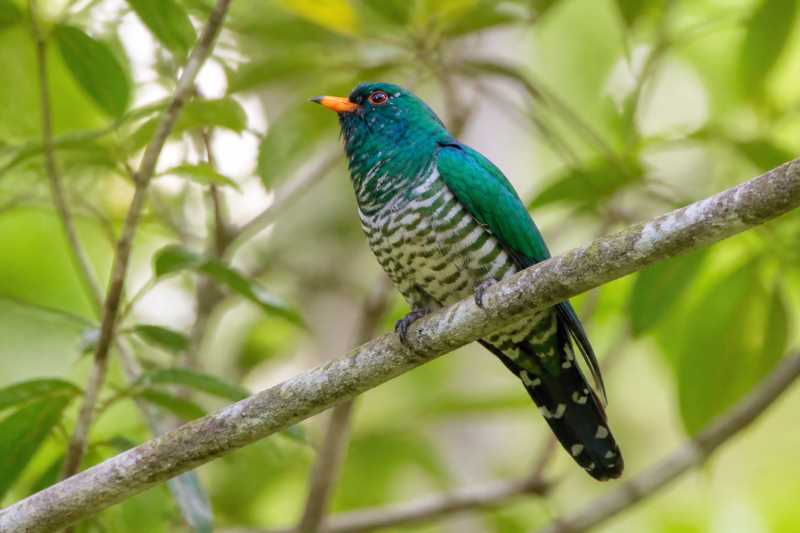
The Asian Emerald Cuckoo (Chrysococcyx maculatus) is a fascinating avian species renowned for its striking plumage and intriguing behaviors. Belonging to the family Cuculidae, this bird is found across various parts of Asia, from the Indian subcontinent to Southeast Asia. Its vivid green feathers and distinctive calls have made it a subject of interest for ornithologists and birdwatchers alike. In this article, we delve into the habitat, behavior, and conservation of this remarkable bird.
Habitat and Distribution
The Asian Emerald Cuckoo inhabits a range of forested environments, from lowland forests to montane regions. It thrives in both evergreen and deciduous forests, often found at elevations ranging from sea level up to 2000 meters. Countries where this species is commonly found include India, Nepal, Bangladesh, Myanmar, Thailand, Vietnam, and Indonesia.
These cuckoos are migratory, with certain populations traveling considerable distances between breeding and non-breeding seasons. During the breeding season, they are often observed in the warmer regions, while non-breeding populations may move to areas with abundant food sources, such as fruiting trees and insect-rich environments.
Physical Description
The Asian Emerald Cuckoo is a small bird, measuring about 18 to 20 centimeters in length. One of its most striking features is its iridescent green plumage. The males are particularly resplendent, with a glossy green upper body, a white belly with green barring, and a distinctive yellow eye-ring. Females are slightly less vibrant, with a more subdued green and brown plumage, yet they remain equally captivating.
Their slender bodies and long tails facilitate agile flight, allowing them to navigate through dense forest canopies with ease. The vivid coloration not only serves as a means of communication among individuals but also plays a role in mating displays.
Behavior and Diet
The Asian Emerald Cuckoo is known for its secretive and solitary nature. Unlike many bird species, these cuckoos are not often seen in large groups. They are also adept at remaining hidden among the foliage, making them challenging to spot despite their bright colors.
Their diet primarily consists of insects, caterpillars, and other small invertebrates. They are also known to consume fruits and berries, particularly during the non-breeding season. The cuckoo’s feeding habits play a crucial role in the ecosystem by controlling insect populations and aiding in seed dispersal.
Breeding and Reproduction
A unique aspect of the Asian Emerald Cuckoo’s breeding behavior is its brood parasitism. This means that the female cuckoo lays her eggs in the nests of other bird species, leaving the host birds to incubate the eggs and rear the young cuckoos. This strategy allows the cuckoo to avoid the demands of parental care, increasing its own reproductive success.
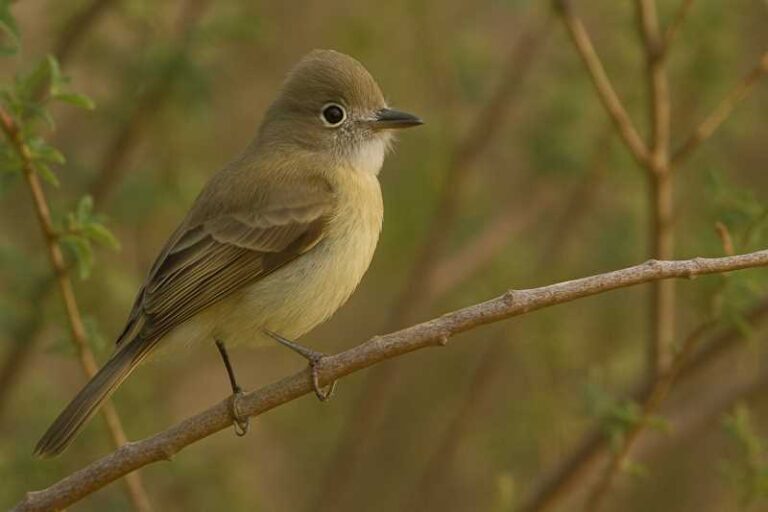
The host species are often smaller passerines, such as warblers and flycatchers. The cuckoo chicks typically hatch earlier than the host’s own young and may even eject the host’s eggs or chicks from the nest to eliminate competition for food.
Vocalization
The Asian Emerald Cuckoo is known for its distinctive call, which is often described as a series of melodious whistles. These calls serve multiple purposes, including attracting mates and marking territory. During the breeding season, males are particularly vocal, using their calls to establish dominance and ward off rivals.
Conservation Status
Currently, the Asian Emerald Cuckoo is classified as ‘Least Concern’ by the International Union for Conservation of Nature (IUCN). However, habitat destruction and deforestation pose significant threats to their populations. Conservation efforts focus on preserving forest habitats and raising awareness about the ecological roles these birds play.
In many parts of their range, conservation initiatives aim to protect nesting sites and control logging activities that threaten their habitats. Birdwatching groups and local communities are also involved in monitoring populations and advocating for sustainable land-use practices.
The Cultural Significance
In various cultures across Asia, the Asian Emerald Cuckoo holds symbolic significance. Often associated with good fortune and prosperity, these birds are revered in folklore and traditional stories. Their vibrant plumage and enchanting calls have inspired art, music, and literature, highlighting their importance beyond mere ecological roles.
Conclusion
The Asian Emerald Cuckoo is a remarkable bird that continues to captivate and inspire those who encounter it. Its stunning appearance, unique behaviors, and ecological contributions make it a true jewel among birds. By understanding and appreciating these birds, we can foster a deeper connection to the natural world and contribute to their conservation.
Whether observed in the wild or through cultural depictions, the Asian Emerald Cuckoo remains a symbol of the beauty and complexity of nature. As we strive to protect their habitats, we ensure that future generations can also experience the wonder of these extraordinary birds.
As we continue to explore and understand the world of the Asian Emerald Cuckoo, it becomes clear that preserving their habitats is not only beneficial for the birds themselves but also for the broader ecosystems they inhabit. Through concerted conservation efforts and a commitment to sustainable practices, we can safeguard the future of these magnificent creatures and the environments they call home.
Related posts