The Yungas Dove: A Glimpse into the Secretive World of Leptotila megalura
Nestled within the lush, dense forests of the Yungas—an ecoregion that stretches along the eastern slopes of the Andes in Bolivia and Argentina—lives a bird that is as elusive as it is captivating: the Yungas Dove (Leptotila megalura). This species, often overshadowed by its more flamboyant avian neighbors, is a testament to the rich biodiversity of the region and plays a crucial role in its ecosystem.
A Closer Look at the Yungas Dove
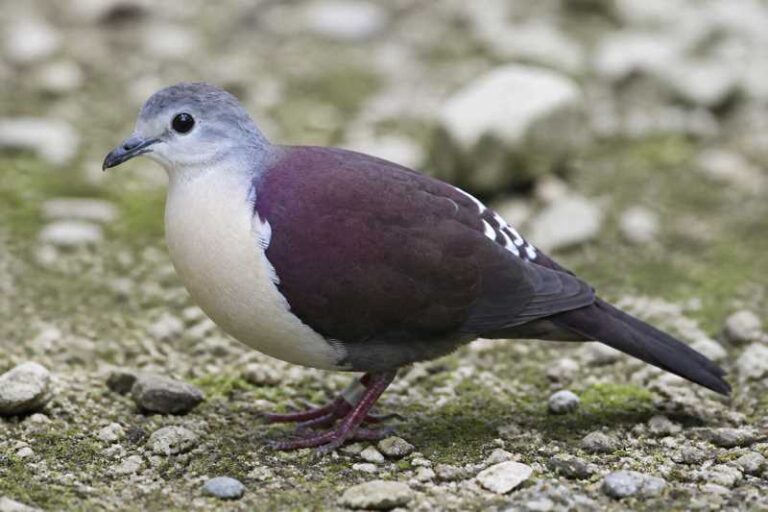
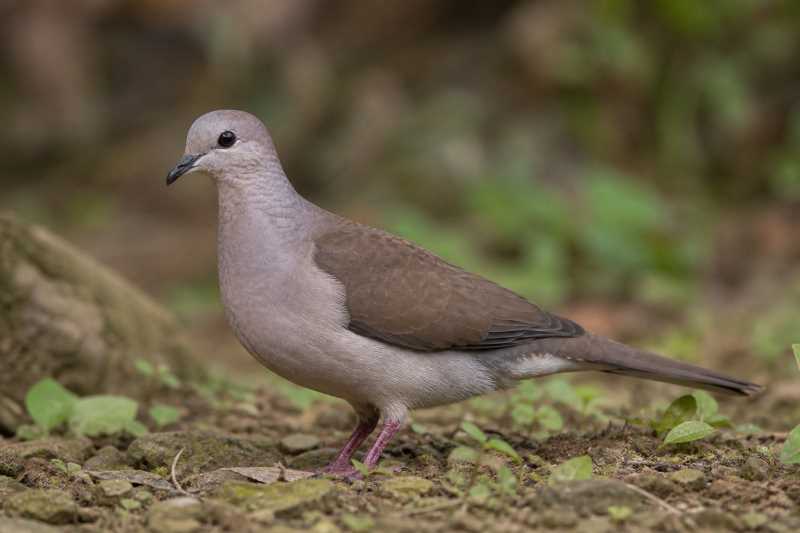
The Yungas Dove is a member of the Columbidae family, which includes pigeons and doves. It is characterized by its medium size, with an average length of about 28-32 cm. Its plumage is mostly a muted grey, with hints of pink on its breast and a distinctive white band that arches over its wings. The subtle coloration provides excellent camouflage amidst the dense undergrowth of its forest habitat, allowing it to blend seamlessly into its surroundings.
One of the most distinguishing features of the Yungas Dove is its unusually long tail, from which its scientific name, Leptotila megalura—"megalura" meaning "big tail"—is derived. This adaptation not only aids in its balance and flight but also serves as a visual cue during mating displays.
Habitat and Behavior
The Yungas Dove resides primarily in subtropical or tropical moist montane forests, preferring altitudes ranging from 500 to 2,500 meters. These areas are characterized by high humidity and dense vegetation, providing ample cover and a rich supply of food resources. The diet of the Yungas Dove predominantly consists of seeds, fruits, and small invertebrates, which it forages from the forest floor.
Despite its relatively widespread range, the Yungas Dove is notoriously difficult to observe. It is a secretive bird, often remaining well-hidden within the forest canopy. When disturbed, it tends to fly off silently, making it a challenge for bird watchers and researchers alike to study.
Role in the Ecosystem
The Yungas Dove plays a vital role in its ecosystem, particularly in seed dispersal. By consuming a variety of fruits and seeds, it aids in the propagation of numerous plant species. This ecological service is crucial for maintaining the health and diversity of the Yungas forests, contributing to the complex web of life that thrives in these habitats.
Conservation Status
Currently, the Yungas Dove is not considered to be under significant threat; it is classified as Least Concern on the IUCN Red List. However, like many species inhabiting the Yungas, it faces potential risks from habitat loss due to deforestation, agriculture expansion, and climate change.
Efforts to conserve the Yungas forests are critical not only for the preservation of the Yungas Dove but also for the myriad of other species that call this region home. Conservation initiatives focusing on sustainable land use and reforestation are essential for ensuring the long-term survival of this unique avian species and its habitat.
The Human Connection
For the indigenous communities living within the Yungas, the dove holds cultural significance. It is often seen as a symbol of peace and tranquility, reflecting the harmonious relationship between the local people and their natural environment. Moreover, the presence of the Yungas Dove is an important indicator of forest health, providing valuable insights into the state of these ecosystems.
Future Research and Opportunities
While the Yungas Dove remains under-researched compared to other bird species, there is a growing interest in studying its behavior, ecology, and role in forest dynamics. Advanced technologies such as bioacoustic monitoring and satellite tagging offer new opportunities to gain deeper insights into the life of this enigmatic bird.
Collaborative research efforts involving both local and international conservation organizations can help fill knowledge gaps and inform conservation strategies. Engaging local communities in these initiatives not only enhances the effectiveness of conservation efforts but also fosters a sense of stewardship and pride in preserving their natural heritage.
Conclusion
The Yungas Dove, with its understated beauty and ecological importance, serves as a reminder of the delicate balance that sustains life within the Yungas forests. As we continue to explore and understand this remarkable bird, it is imperative that we also address the challenges it faces to ensure its survival for future generations. Protecting the Yungas Dove is not merely about conserving a single species; it is about preserving the intricate tapestry of life that defines one of South America’s most biodiverse regions.
Related posts