The Enigmatic Chestnut Forest Rail: A Glimpse into its World
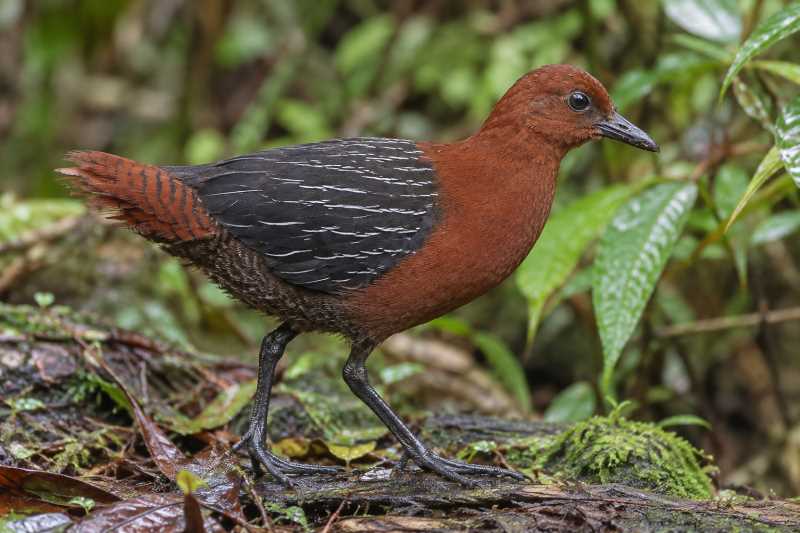
In the dense, verdant forests of New Guinea, a small, elusive bird known as the Chestnut Forest Rail (Rallicula rubra) quietly thrives. This bird, with its striking chestnut plumage and secretive nature, represents one of the many avian wonders of this biodiverse region. Despite its relatively obscure status in the birding community, the Chestnut Forest Rail holds a significant place in the ecological tapestry of its habitat.
Habitat and Distribution
The Chestnut Forest Rail is endemic to New Guinea, a large island in the southwestern Pacific Ocean known for its rich biodiversity. The bird predominantly inhabits montane forests, particularly those situated at elevations ranging from 1,000 to 2,700 meters above sea level. These forests are characterized by high humidity and dense vegetation, providing an ideal environment for the rail’s life.
New Guinea’s topography, with its rugged mountains and intricate river systems, has allowed for the evolution of unique species adapted to specific ecological niches. The Chestnut Forest Rail is one such species, seldom seen due to its preference for staying within the dense understory, thus evading detection from both predators and curious observers.
Physical Characteristics and Behavior
The Chestnut Forest Rail is a medium-sized bird, typically measuring about 23–26 centimeters in length. Its most distinguishing feature is its vibrant chestnut-colored plumage, which provides excellent camouflage against the forest floor’s rich, earthy tones. The rail’s slender build and short tail further aid its inconspicuous nature.
These birds are primarily ground-dwellers, exhibiting behaviors typical of the Rallidae family. They are known for their secretive habits, often foraging quietly among leaf litter for insects, small invertebrates, and seeds. Despite their reclusive nature, Chestnut Forest Rails are occasionally heard producing a series of distinctive calls, which serve as a primary means of communication within their dense habitat.
Reproduction and Life Cycle
Information about the breeding habits of the Chestnut Forest Rail is limited, largely due to the bird’s elusive nature. However, like many ground-nesting birds, it is presumed that they build their nests on the forest floor, hidden among dense vegetation to protect their eggs and chicks from predators.
Typically, the breeding season is likely tied to the island’s climatic patterns, with nesting occurring during periods of abundant food availability. Clutch sizes are assumed to be small, a common trait among rallids who invest significantly in parental care.
Conservation Status and Threats
Presently, the Chestnut Forest Rail is classified as Least Concern by the International Union for Conservation of Nature (IUCN). However, this status does not imply that the species is free from threats. The primary concern for the Chestnut Forest Rail is habitat destruction, driven by logging, agriculture, and infrastructure development in New Guinea.
The island’s forests are increasingly subjected to deforestation, which not only threatens the rail but also the myriad of species that share its habitat. Conservation efforts must focus on preserving large tracts of montane forests, ensuring that these ecosystems continue to support their unique avian inhabitants.
The Importance of Further Research
Despite its elusive nature, the Chestnut Forest Rail offers valuable insights into the ecological dynamics of New Guinea’s montane forests. Further research is needed to better understand its life history, population dynamics, and ecological requirements. Such knowledge is crucial for developing effective conservation strategies and ensuring that this enigmatic bird continues to thrive in its natural habitat.
Bird enthusiasts and researchers alike are encouraged to collaborate on field studies that can unveil more about this little-known species. Through concerted efforts, it is possible to safeguard not only the Chestnut Forest Rail but also the biodiversity of New Guinea as a whole.
Conclusion
The Chestnut Forest Rail, with its striking appearance and secretive habits, remains one of New Guinea’s avian enigmas. While it is currently not considered endangered, the ongoing threats to its habitat highlight the need for proactive conservation measures. By fostering a deeper understanding and appreciation of this remarkable bird, we can contribute to the global efforts to preserve our planet’s rich and diverse wildlife.
Ensuring the survival of species like the Chestnut Forest Rail is not just about protecting a single bird; it is about maintaining the integrity of the ecosystems that sustain life on Earth. As stewards of the natural world, it is our responsibility to ensure that such unique species continue to enchant and inspire future generations.
Related posts