The Bare-faced Ground Dove: A Study of Ecology and Conservation
The Bare-faced Ground Dove, scientifically known as Metriopelia ceciliae, is a captivating avian species that quietly graces the landscapes of South America. With its unique characteristics and ecological significance, the Bare-faced Ground Dove represents an integral component of its native ecosystems. This article explores the biology, habitat, and conservation status of this distinctive bird, providing a comprehensive overview for enthusiasts and researchers alike.
Taxonomy and Description
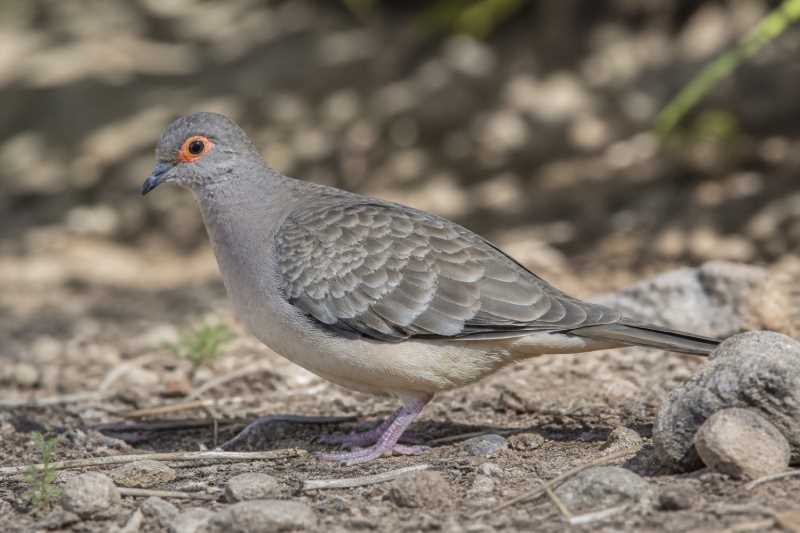
The Bare-faced Ground Dove belongs to the family Columbidae, which encompasses pigeons and doves. It was first described by the French ornithologist Frédéric de Lafresnaye in 1838. This medium-sized dove is notable for its distinct appearance, characterized by its bare, reddish skin around the eyes, which contrasts sharply with its otherwise muted plumage. The body is predominantly grayish-brown, with subtle iridescent patches that glimmer in the sunlight. The wings are patterned with dark markings, and the tail displays a slight gradation from gray to black.
The species name, ceciliae, is thought to honor a significant female figure, potentially a relation of the describer, as was customary in the naming practices of the 19th century. The Bare-faced Ground Dove exhibits slight sexual dimorphism, with males typically being slightly larger and more vibrant in coloration compared to females.
Habitat and Distribution
The Bare-faced Ground Dove is predominantly found in the high-altitude regions of the Andes, spanning several South American countries including Peru, Bolivia, Chile, and Argentina. These birds thrive in arid and semi-arid environments, ranging from scrublands to open dry forests and agricultural fields. Their adaptability allows them to dwell in regions that vary significantly in elevation, from lowland valleys to mountainous terrains exceeding 3,000 meters above sea level.
This species demonstrates a preference for habitats that offer ample ground cover and access to water sources. They are often observed foraging on the ground, where they feed primarily on seeds, small fruits, and occasionally insects. The dove’s ability to exploit various food resources and its resilience to environmental changes underscore its successful adaptation to diverse habitats.
Behavior and Ecology
Bare-faced Ground Doves are generally non-migratory, though some populations may exhibit local movements in response to seasonal food availability. These birds are typically seen in small flocks, which can sometimes swell to larger groups, especially outside the breeding season.
The breeding season for the Bare-faced Ground Dove varies depending on the geographical location and environmental conditions. Nesting occurs in well-hidden sites, often on the ground or among dense vegetation. The typical clutch consists of two eggs, with both parents sharing incubation and feeding duties. This cooperative breeding strategy enhances chick survival rates in the challenging environments they inhabit.
Conservation Status
As of the latest assessments, the Bare-faced Ground Dove is classified as a species of Least Concern by the International Union for Conservation of Nature (IUCN). Despite this relatively secure status, the dove faces potential threats from habitat loss and degradation, primarily due to agricultural expansion and urban development in its native range. Additionally, climate change poses an emerging threat, potentially altering the delicate ecosystems upon which these birds rely.
Conservation efforts aimed at preserving the Bare-faced Ground Dove focus on habitat protection and restoration. Initiatives to secure critical habitats, alongside community-based conservation programs, play a crucial role in mitigating the threats faced by this species. Furthermore, ongoing research and monitoring are essential to understanding population dynamics and ensuring the long-term survival of this unique bird.
Conclusion
The Bare-faced Ground Dove, with its distinctive appearance and ecological role, is a testament to the diversity and resilience of avian life in South America. While currently not at immediate risk, proactive conservation measures are vital to safeguard its future. By fostering awareness and promoting sustainable practices, we can ensure that this remarkable species continues to thrive amid the challenges of a changing world.
In a landscape as rich and varied as the Andes, the Bare-faced Ground Dove stands as a symbol of adaptation and survival, reflecting the intricate balance of nature and the ongoing efforts required to preserve it.
Related posts