Alvarez’s Mastiff Bat (Molossus alvarezi): An In-Depth Look
Introduction
Alvarez’s Mastiff Bat (Molossus alvarezi) is a remarkable species within the family Molossidae, known for its agility and distinctive features. Despite its relatively recent discovery, this bat species has garnered the attention of researchers and conservationists alike due to its specialized habitat requirements and unique behavioral patterns. As nocturnal mammals, these bats play a crucial role in their ecosystems, particularly in pest control and seed dispersal. This article delves into the various aspects of Alvarez’s Mastiff Bat, from its physical description to its conservation status, providing a comprehensive overview of this fascinating species.
Physical Description
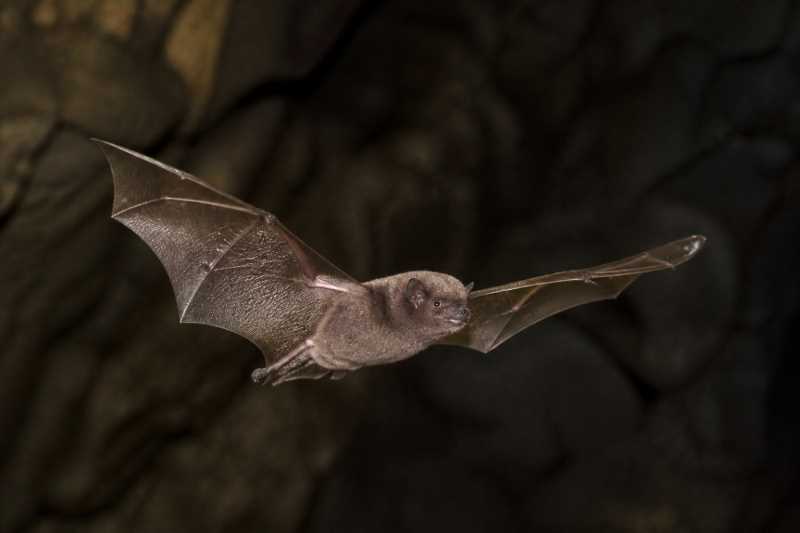
Alvarez’s Mastiff Bat is a medium-sized bat species characterized by its robust build and distinctive facial features, which include a short, broad muzzle reminiscent of a mastiff, hence the name. The bat’s fur is typically a dark brown to black color, providing excellent camouflage in its nocturnal habitat. Its wings are long and narrow, adapted for fast and efficient flight, enabling it to cover large distances in search of food.
One of the defining characteristics of the Molossus alvarezi is its tail, which extends beyond the uropatagium (the membrane between the legs), giving it a unique appearance among bats. The species’ ears are relatively small and rounded, aiding in its echolocation abilities, which are vital for navigating and hunting in the dark.
Range and Habitat
Alvarez’s Mastiff Bat is predominantly found in Central and South America, with confirmed populations in countries such as Mexico, Guatemala, and Honduras. The species thrives in tropical and subtropical regions, favoring habitats that offer an abundance of food resources and suitable roosting sites.
These bats are commonly associated with forested areas, including rainforests and deciduous forests, where they roost in tree hollows, caves, and occasionally in man-made structures such as abandoned buildings. The availability of roosting sites and proximity to water bodies are critical factors that influence their distribution and abundance.
Behavior and Diet
As nocturnal creatures, Alvarez’s Mastiff Bats are primarily active during the night. They emerge from their roosts at dusk to embark on their nightly foraging activities. Their diet mainly consists of insects, making them valuable allies in controlling insect populations. These bats are adept at capturing flying insects mid-air, thanks to their agile flight and acute echolocation abilities.
Socially, Molossus alvarezi tends to form small colonies, which can vary in size depending on the availability of roosting sites and food resources. Within these colonies, bats communicate using vocalizations and echolocation clicks, which help them coordinate activities and identify members of their group.
Identification Tips (Field Recognition Cues)
Identifying Alvarez’s Mastiff Bat in the field can be challenging due to its nocturnal nature and the similarity of its appearance to other bat species. However, there are specific cues that can aid in recognition:
- Tail Length: Look for the characteristic tail that extends beyond the wing membrane.
- Flight Pattern: Observe its rapid, straight flight, which is typical of mastiff bats.
- Facial Structure: Note the broad, short muzzle that resembles a mastiff dog.
- Echolocation Calls: Listen for its distinct echolocation calls, which differ in frequency and pattern from other bats.
Conservation Status
Alvarez’s Mastiff Bat is currently classified as "Least Concern" by the International Union for Conservation of Nature (IUCN). However, like many bat species, it faces several threats that could impact its populations if not addressed.
Threats
- Habitat Destruction: Deforestation and land conversion for agriculture and urban development are significant threats, resulting in the loss of roosting and foraging habitats.
- Pesticide Use: The use of pesticides in agriculture can reduce insect prey availability and expose bats to harmful chemicals.
- Climate Change: Changes in climate can alter the distribution of suitable habitats and food resources.
Protections
Conservation efforts for Alvarez’s Mastiff Bat include habitat protection and restoration initiatives, particularly in regions where deforestation rates are high. Educating local communities about the ecological benefits of bats and promoting sustainable agricultural practices are also crucial in mitigating threats to this species.
Frequently Asked Questions
1. What is the primary diet of Alvarez’s Mastiff Bat?
Alvarez’s Mastiff Bat primarily feeds on insects, which it captures during flight using its agile flying capabilities and echolocation to locate prey.
2. Where can Alvarez’s Mastiff Bat be found?
This bat species is found in Central and South America, with populations in countries such as Mexico, Guatemala, and Honduras, mainly in tropical and subtropical forested areas.
3. How can I identify Alvarez’s Mastiff Bat in the wild?
Key identification features include its extended tail beyond the wing membrane, rapid straight flight, broad muzzle, and distinctive echolocation calls.
4. What threats does Alvarez’s Mastiff Bat face?
The primary threats include habitat destruction, pesticide use, and climate change, all of which impact their natural habitats and food resources.
5. Why is Alvarez’s Mastiff Bat important to ecosystems?
These bats play a critical role in controlling insect populations and, consequently, contribute to the balance of ecosystems, benefiting agriculture and reducing the spread of insect-borne diseases.
Related posts