The Blue Ground Dove: A Gem of the Avian World
The Blue Ground Dove (Claravis pretiosa) is a remarkable species that graces the tropical and subtropical forests of the Americas with its enchanting presence. Known for its striking appearance and gentle demeanor, this bird has captured the attention of ornithologists and bird enthusiasts alike. This article delves into the habitat, behavior, and conservation status of the Blue Ground Dove, highlighting its significance in the avian ecosystem.
Habitat and Distribution
The Blue Ground Dove is predominantly found in Central and South America, ranging from southern Mexico through to Brazil, Paraguay, and Argentina. It thrives in a variety of habitats, including tropical and subtropical forests, forest edges, and open areas with scattered trees. These birds are also known to inhabit lowland regions and can occasionally be found in higher elevations.
Their preference for dense vegetation and forest undergrowth provides them with ample cover and a rich supply of food sources. Despite their adaptability, Blue Ground Doves are more commonly observed in undisturbed habitats, where they can forage and breed without significant human interference.
Physical Characteristics
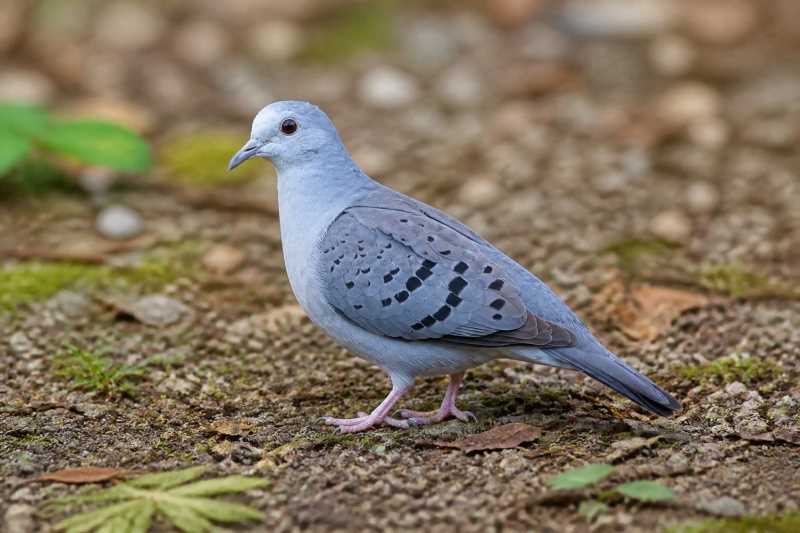
The Blue Ground Dove is a small bird, measuring approximately 18 to 21 centimeters in length, with a wingspan of around 30 centimeters. Its most distinctive feature is its vibrant plumage. Males boast a stunning blue-gray color on their upper parts, with a lighter shade on their underparts. Their wings are adorned with black spots, adding to their visual appeal. Females, on the other hand, are more subdued in color, with a brownish hue that provides effective camouflage in their natural surroundings.
Both sexes possess a slender build and a short tail, and their legs are a pale pink color. The combination of these features not only makes the Blue Ground Dove a visual delight but also aids in its survival by allowing it to blend seamlessly into its environment.
Behavior and Diet
Blue Ground Doves are primarily ground foragers, often seen pecking at the forest floor in search of food. Their diet consists mainly of seeds and small fruits, although they may also consume insects and other small invertebrates. This diverse diet helps sustain them throughout the year, even when certain food sources become scarce.
These birds are typically solitary or found in pairs, although they may occasionally form small flocks, especially during the breeding season. Their behavior is generally calm and unobtrusive, making them a less conspicuous presence in their habitat.
The Blue Ground Dove’s call is a soft, repetitive cooing sound, which serves as a means of communication between individuals, especially during courtship. Males are known to perform elaborate displays to court females, showcasing their vibrant plumage and engaging in a series of bowing and cooing gestures.
Breeding and Nesting
The breeding season for Blue Ground Doves varies depending on their geographical location but typically occurs during the warmer months. During this time, males become more vocal and active in their courtship displays.
Nesting is usually done in low shrubs or trees, where the female constructs a simple platform nest using twigs and leaves. She lays one or two eggs, which are incubated by both parents for about two weeks. Once hatched, the chicks are fed regurgitated food by their parents and fledge after approximately three weeks.
Conservation Status
Currently, the Blue Ground Dove is classified as a species of Least Concern by the International Union for Conservation of Nature (IUCN). This status reflects their relatively stable population size and widespread distribution. However, like many other bird species, they face potential threats from habitat destruction and fragmentation due to deforestation and agricultural expansion.
Conservation efforts aimed at preserving tropical and subtropical forests are crucial in ensuring the continued survival of the Blue Ground Dove. Protecting their natural habitats not only benefits this species but also supports the biodiversity of the entire ecosystem.
Conclusion
The Blue Ground Dove is a captivating species that adds vibrant color and gentle charm to the avian world. Its adaptability, coupled with its striking appearance, makes it a fascinating subject for study and observation. By understanding and protecting their habitats, we can help ensure that future generations will continue to experience the beauty and tranquility of the Blue Ground Dove in the wild.
As a symbol of the delicate balance within tropical ecosystems, the Blue Ground Dove reminds us of the importance of conservation and the role each species plays in maintaining the health of our planet.
Related posts