The Ecuadorian Ground Dove: A Closer Look at Columbina buckleyi
The Ecuadorian Ground Dove, scientifically known as Columbina buckleyi, is a small yet intriguing bird species that commands attention in the ornithological world. Found predominantly in the western regions of Ecuador and parts of northern Peru, this dove plays a unique role in the ecosystems of these tropical areas. This article delves into the characteristics, habitat, behavior, and conservation status of the Ecuadorian Ground Dove, offering a comprehensive understanding of this captivating bird.
Physical Characteristics
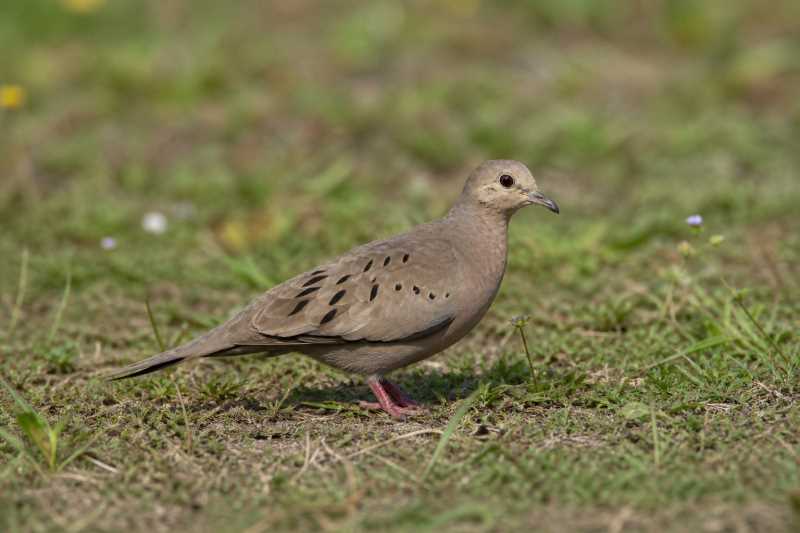
The Ecuadorian Ground Dove is a petite bird, measuring approximately 15 to 18 centimeters in length. It is characterized by a soft, muted plumage that primarily consists of earthy tones. The upper parts of its body are adorned with shades of brown, while its underparts exhibit a pale buff color. One of the distinguishing features of the Ecuadorian Ground Dove is its subtle yet striking patterns on the wings and a delicate blue-gray hue on its head. These features not only aid in camouflage but also add to its visual appeal.
The bird’s eyes are dark, providing a stark contrast to its lighter plumage, and its legs are a muted pink color. Both males and females exhibit similar plumage, making it challenging to differentiate between the sexes based solely on appearance.
Habitat and Distribution
Columbina buckleyi is native to the lowland and foothill regions of western Ecuador and extends into the Tumbes-Chocó-Magdalena biogeographic region of Peru. It thrives in a variety of habitats, ranging from dry forests and arid scrublands to agricultural areas and urban gardens. This adaptability to diverse environments is a testament to the species’ resilience and versatility.
The Ecuadorian Ground Dove is most commonly spotted foraging on the ground, where it searches for seeds, insects, and small invertebrates. Its preference for ground foraging is indicative of its name and highlights its role in the ecosystem as a seed disperser.
Behavior and Diet
Ecuadorian Ground Doves are typically observed either in pairs or small groups, showcasing a social structure that is common among many dove species. Their call is a soft, repetitive cooing sound, which can often be heard in the early morning or late afternoon.
Their diet primarily consists of seeds, which they deftly pick from the ground. However, they are also known to consume small insects, providing them with essential proteins that complement their otherwise seed-heavy diet. This opportunistic feeding behavior enables them to survive in a range of environments, from pristine forests to human-altered landscapes.
Breeding and Nesting
The breeding season of the Ecuadorian Ground Dove typically coincides with the rainy season, which provides abundant food and optimal conditions for raising young. Their nests are rudimentary structures made of twigs and grasses, usually placed in trees or shrubs at a modest height from the ground.
A typical clutch consists of two white eggs. Both parents share the responsibility of incubating the eggs and feeding the chicks once they hatch. The cooperative breeding strategy ensures high chances of survival for the offspring in their formative days.
Conservation Status
Currently, the Ecuadorian Ground Dove is not classified as endangered or threatened. However, it does face challenges posed by habitat destruction and fragmentation, particularly due to agricultural expansion and urban development. Conservation efforts are crucial in ensuring that this species continues to thrive, and initiatives that focus on preserving and restoring natural habitats are vital.
The bird’s ability to adapt to human-altered environments offers a silver lining, as it can coexist in areas where other less adaptable species might struggle. Nevertheless, continuous monitoring and research are essential to safeguard its population against unforeseen threats.
The Importance of the Ecuadorian Ground Dove
As a seed disperser, the Ecuadorian Ground Dove plays a significant ecological role in its habitat. By facilitating the growth of various plant species, it contributes to the maintenance of healthy ecosystems. Furthermore, its presence in both natural and urban areas makes it an excellent indicator species for environmental health.
The Ecuadorian Ground Dove is a testament to the rich biodiversity found in South America. It embodies the balance between adaptability and the need for conservation, reminding us of the intricate connections within our ecosystems. Protecting this species and its habitat ensures the preservation of biological diversity, which is essential for the planet’s resilience and vitality.
In conclusion, the Ecuadorian Ground Dove is more than just a bird; it is a symbol of the delicate interplay between nature and human influence. By understanding and appreciating its role, we can better appreciate the broader ecological tapestry of which it is a part.
Related posts