Introduction
The White-naped Swift, scientifically known as Streptoprocne semicollaris, is an extraordinary bird species that captivates ornithologists and birdwatchers alike. It is part of the Apodidae family, which includes other swifts known for their aerial prowess and distinctive lifestyles. Found primarily in the Neotropical regions, this bird is a marvel of adaptation and resilience.
Taxonomy and Distribution
The White-naped Swift belongs to the genus Streptoprocne, which includes several other swift species. The bird is primarily found in the mountainous regions of Mexico, particularly in areas with high cliffs and canyons that offer ideal nesting sites. Its range extends from the Sierra Madre Occidental to the Sierra Madre Oriental, with occasional sightings reported in adjacent regions.
Physical Characteristics
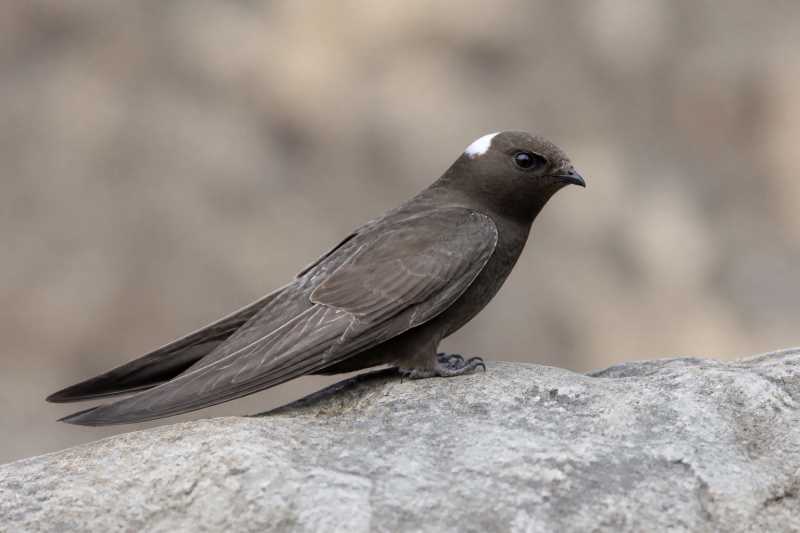
One of the most striking features of the White-naped Swift is its size. It is one of the larger swifts, measuring about 20 to 22 centimeters in length with an impressive wingspan that can reach up to 48 centimeters. The bird’s plumage is predominantly black, accentuated by a distinctive white band across the nape, giving it its common name. This contrasting color pattern not only aids in identification but also plays a role in social interactions within swift colonies.
Flight and Behavior
Swifts are renowned for their incredible flight capabilities, and the White-naped Swift is no exception. Its long, scythe-like wings enable it to soar at high speeds and maneuver with exceptional agility. These birds spend most of their lives in the air, feeding on insects caught during flight. Their aerial lifestyle necessitates adaptations such as a streamlined body and an ability to drink, bathe, and even sleep while flying.
White-naped Swifts are social birds, often forming large flocks that can include hundreds of individuals. These flocks engage in synchronized flying displays that are not only a spectacle to witness but also serve practical purposes such as foraging and predator avoidance.
Breeding and Nesting
The breeding season for the White-naped Swift typically occurs during the rainy season, aligning with the abundance of insects. The birds prefer nesting in inaccessible cliff faces, where they build their nests in crevices or on ledges. The nests are constructed from plant material and saliva, a common trait among swifts that helps in adhering the nest to vertical surfaces.
Female White-naped Swifts typically lay one to two eggs per breeding season. Both parents share the responsibility of incubating the eggs and feeding the chicks. The young swifts fledge after approximately 6 to 8 weeks, gaining the skills they need to join the aerial life of their parents.
Ecological Significance
White-naped Swifts play a crucial role in their ecosystems. As insectivores, they help control insect populations, thus maintaining ecological balance. Their presence is often indicative of a healthy environment, as they require clean air and abundant insect life to thrive.
Furthermore, their nesting sites contribute to the biodiversity of their habitats. The droppings from swift colonies enrich the soil with nutrients, supporting a variety of plant and animal life.
Conservation Status
Currently, the White-naped Swift is not considered to be at immediate risk of extinction. However, like many wildlife species, it faces threats from habitat destruction and climate change. The loss of forested areas and the degradation of cliff habitats due to human activity pose significant challenges.
Conservation efforts are essential to ensure the continued survival of this species. Protecting nesting sites and surrounding habitats, along with promoting sustainable land-use practices, are vital steps in safeguarding the future of the White-naped Swift.
Conclusion
The White-naped Swift stands as a testament to the wonders of avian evolution. Its specialized adaptations and ecological roles highlight the intricate connections within ecosystems. By understanding and appreciating the White-naped Swift, we not only gain insight into the complexities of avian life but also underscore the importance of preserving the natural world for future generations.
In a rapidly changing environment, the White-naped Swift’s story reminds us of the delicate balance that sustains biodiversity and the ongoing need for conservation efforts to protect these remarkable creatures.
Related posts