Introduction
The Flat-headed African Dormouse, scientifically known as Graphiurus platyops, is a fascinating member of the Gliridae family. Commonly found in various regions across Africa, this small mammal is known for its distinctive flat head and unique behaviors. As nocturnal creatures, these dormice are often observed during nighttime activities, contributing to their mysterious allure. This article delves into the various aspects of the Flat-headed African Dormouse, including its physical characteristics, habitat, behavior, and conservation status.
Physical Description
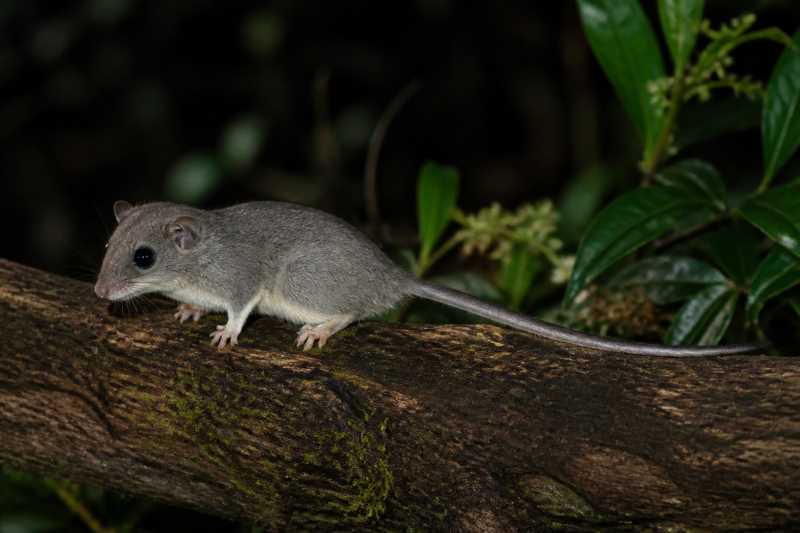
The Flat-headed African Dormouse is a small rodent, typically measuring between 10 to 15 centimeters in length, excluding its tail, which can add an additional 6 to 10 centimeters. One of the most distinguishing features of this species is its flat head, which sets it apart from other dormice. Its fur is generally soft and dense, with a color palette ranging from gray to brown, allowing it to blend seamlessly into its natural habitat.
The eyes of the Flat-headed African Dormouse are large and prominent, adapted for nocturnal vision. Its ears are rounded and relatively small, contributing to its overall streamlined appearance. The tail is bushy, aiding in balance and agility as the dormouse navigates through trees and shrubs.
Range and Habitat
The Flat-headed African Dormouse is primarily found in the sub-Saharan regions of Africa. Its range extends across various countries, including Angola, Zambia, Zimbabwe, and parts of South Africa. Within these regions, the dormouse inhabits a variety of environments, from dense forests to open woodlands and savannas.
These dormice are arboreal, meaning they spend most of their time in trees, where they build nests using leaves and twigs. They prefer habitats with abundant vegetation that provides both food sources and protection from predators.
Behavior and Diet
As nocturnal creatures, Flat-headed African Dormice are most active during the night. They are known for their agility and are adept climbers, often seen leaping from branch to branch with precision. These dormice are solitary animals, typically only coming together for mating purposes.
The diet of the Flat-headed African Dormouse is omnivorous, consisting of fruits, nuts, insects, and occasionally small vertebrates. Their foraging habits are influenced by seasonal availability of food, and they are known to store food in their nests for periods of scarcity.
Identification Tips (Field Recognition Cues)
Identifying the Flat-headed African Dormouse in the wild can be challenging due to its elusive nature. However, there are several cues that can aid in recognition:
- Size and Shape: Look for a small rodent with a notably flat head and a bushy tail.
- Coloration: Their fur is typically gray to brown, blending well with their natural surroundings.
- Behavior: Observe their nocturnal activity; they are more likely to be seen at night.
- Habitat: Focus on tree-dense areas where they are likely to nest and forage.
Conservation Status (With Threats and Protections)
The conservation status of the Flat-headed African Dormouse is currently classified as ‘Least Concern’ by the International Union for Conservation of Nature (IUCN). Despite this seemingly reassuring status, the species faces several threats that could impact its population in the future.
Habitat destruction due to deforestation and land conversion for agriculture poses a significant threat to the dormouse’s natural environment. Additionally, climate change is altering the availability of their food sources, which could lead to population declines.
Conservation efforts are focused on habitat preservation and research to better understand the ecological needs of the species. Protected areas and wildlife reserves in parts of Africa provide some level of security for their habitats.
Frequently Asked Questions
Why is this species unique?
The Flat-headed African Dormouse is unique due to its flat-headed morphology, which distinguishes it from other dormice. Its nocturnal lifestyle and arboreal nature also contribute to its distinctiveness.
How does the dormouse adapt to its environment?
This dormouse has adapted to its environment through its nocturnal habits, enabling it to avoid predators. Its arboreal lifestyle and ability to store food help it survive in various habitats with fluctuating resources.
What role does it play in the ecosystem?
As an omnivore, the Flat-headed African Dormouse plays a role in seed dispersal and pest control, contributing to the ecological balance within its habitat.
Are there any specific conservation programs for this species?
While there are no species-specific conservation programs, general wildlife conservation efforts in Africa help protect the dormouse’s habitat. Research and habitat preservation are crucial for its continued survival.
Related posts