Introduction
The Pygmy Hog (Porcula salvania) stands as one of the world’s most elusive and endangered mammal species, captivating the interest of conservationists and wildlife enthusiasts alike. This diminutive creature, native to the Indian subcontinent, is not only remarkable for its size but also for its unique ecological role and the conservation challenges it faces. Understanding the Pygmy Hog’s significance is crucial for ensuring its survival and preserving biodiversity in its native habitat.
Physical Description
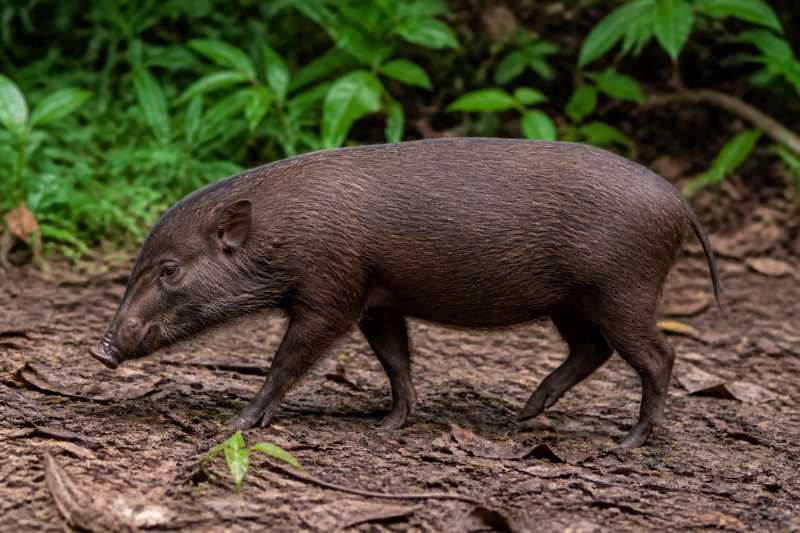
The Pygmy Hog is the smallest member of the pig family, Suidae. Adults measure approximately 55 to 71 centimeters in length and stand around 20 to 30 centimeters at the shoulder. Weighing between 6 to 9 kilograms, their small stature makes them particularly vulnerable to environmental threats. They have a dark brown to blackish coat, which provides excellent camouflage against the forest floor. The Pygmy Hog’s body is compact, with short limbs and a narrow face, and their snout is well-adapted for rooting in the soil, a behavior essential for their foraging habits.
Range and Habitat
Historically, the Pygmy Hog inhabited the tall, wet grasslands along the foothills of the Himalayas in India, Nepal, and Bhutan. Today, their range has dramatically declined, with the last remaining populations found in the Manas National Park in Assam, India. These grasslands provide the dense cover and abundant resources that are vital for their survival. Pygmy Hogs thrive in regions where the grass grows tall and thick, offering both food and protection from predators.
Behavior and Diet
Pygmy Hogs are social animals, typically living in small family groups called sounders, which consist of a sow, her offspring, and occasionally a boar. They are diurnal, being most active during the early morning and late afternoon. Their diet primarily consists of roots, tubers, small insects, and other invertebrates, which they forage from the forest floor. The Pygmy Hog’s foraging behavior is characterized by digging and rooting, facilitated by their strong snouts.
Breeding occurs once a year, with females giving birth to litters of 3 to 6 piglets after a gestation period of about 100 days. The young are weaned at around 2 to 3 months of age but remain with their mother until they are old enough to fend for themselves.
Identification Tips (Field Recognition Cues)
Identifying a Pygmy Hog in the wild requires keen observation skills due to their elusive nature and excellent camouflage. Look for:
- Size and Shape: The small, compact body and distinctive short stature are key identification features.
- Coloration: A dark brown to blackish coat that blends with the forest undergrowth.
- Behavior: Watch for their characteristic rooting behavior and the formation of small groups.
- Vocalization: Listen for their soft grunts and squeals, especially around dawn and dusk.
- Tracks and Signs: Look for small hoof prints and signs of digging in soft soil.
Conservation Status (With Threats and Protections)
The IUCN Red List classifies the Pygmy Hog as Critically Endangered, with an estimated population of less than 250 mature individuals remaining in the wild. The primary threats to their survival include habitat destruction due to agricultural expansion, human encroachment, and changes in land use that result in the loss of wetlands and grasslands.
Conservation efforts have focused on habitat restoration and captive breeding programs. The Pygmy Hog Conservation Programme (PHCP), established in 1995, has been instrumental in these efforts. The PHCP has successfully bred and reintroduced several individuals into the wild, enhancing the genetic diversity and stability of existing populations. Additionally, the designation of protected areas, such as Manas National Park, provides a refuge for these animals and helps mitigate some of the pressures they face.
Frequently Asked Questions
What is the Pygmy Hog’s natural habitat?
Pygmy Hogs naturally inhabit tall, wet grasslands in the foothills of the Himalayas. They require dense vegetation for cover and a rich supply of roots and insects for food.
How is the Pygmy Hog being protected?
Conservation efforts include habitat restoration, captive breeding, and reintroduction programs, primarily led by the Pygmy Hog Conservation Programme. Protected areas like Manas National Park also play a crucial role.
Why is the Pygmy Hog endangered?
The Pygmy Hog faces threats from habitat destruction, agricultural expansion, and human encroachment, all of which lead to the loss of their natural wetland and grassland habitats.
How can one identify a Pygmy Hog in the wild?
Look for their small size, dark brown to blackish coat, and distinctive rooting behavior. They often form small family groups and are active during dawn and dusk.
What does the Pygmy Hog eat?
Their diet consists mainly of roots, tubers, small insects, and other invertebrates, which they forage from the forest floor using their strong snouts.
Related posts